



UT Administration publishes Draft of Ladakh Industrial Land Allotment Policy
LEH: In a significant development, the Ladakh administration has published the Draft Industrial Land Allotment Policy 2023, putting it in public domain to seek feedback from the stakeholders in the union territory, which limits the investments in service sector for local entrepreneurs of Ladakh, with some sections like Multi-Speciality Hospitals, Cable Car, Testing, R&D, Analysis, and Certification Services open for outsiders.
The outside investments have been kept open in the Manufacturing sector, however, with 90% posts of unskilled workers reserved for locals.
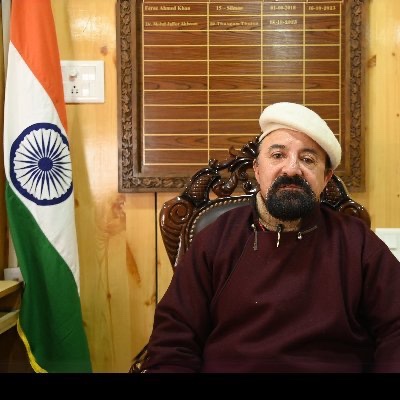
For projects up to Rs 50 crore, the approval will be given by a panel headed by Chief Executive Councillor, LAHDC of the concerned district, while Projects with investment of more than Rs. 50 crores would be decided by a panel headed by Advisor Ladakh on the recommendation of the former panel.
The Directorate of Industries & Commerce, UT Ladakh has asked the stakeholders and general public to file their views and comments on the draft policy before 21st August 2024, through email to directorindustriesladakh@gmail.com, dicleh2013@gmail.com and
kargilindustries@gmail.com, or in person to the office of Director, Industries & Commerce, Skamapri, Near District Court Complex, Leh or office of the General Manager, District Industries Centre Leh/Kargil.
The new policy marks a departure from the previous Jammu and Kashmir Industrial Policy of 2016, which provided the basic mechanism of industrial land development but with land remaining a limiting factor for the industrial growth in the region, said the draft.
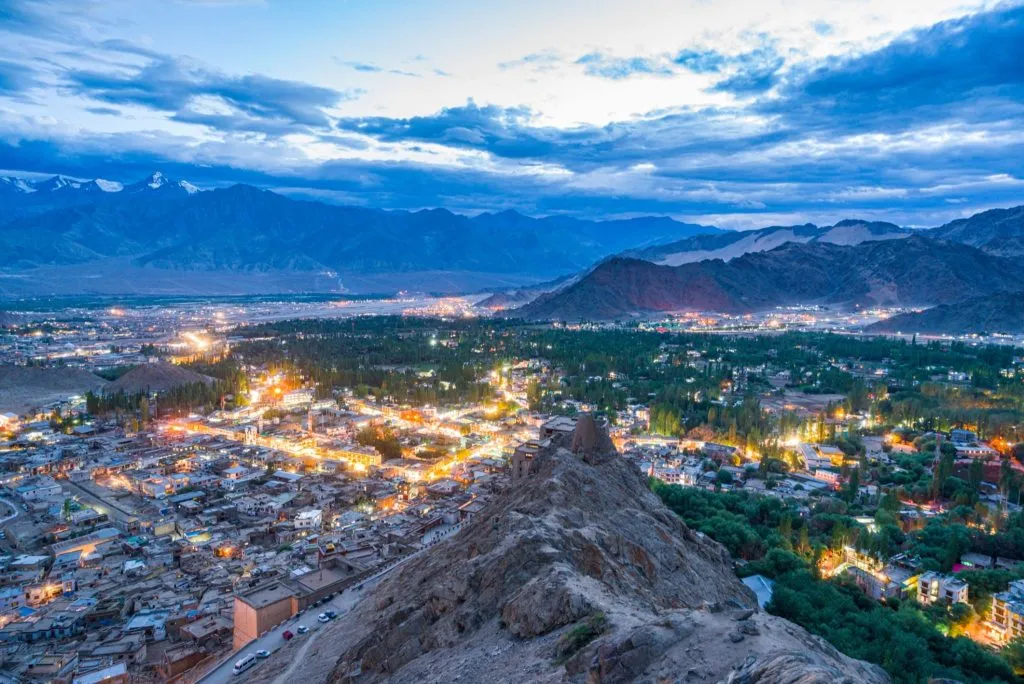
With Ladakh now a distinct Union Territory post abrogation of Article 370, the new policy is tailored to overcome these constraints and establish the region as a competitive investment hub.
“The new Industrial Land Allotment Policy is designed to provide land for industrial establishments to create job opportunities and support local entrepreneurs through a fair and transparent allocation process,” said the draft, as it outlined key objectives of the new policy as optimizing land use, generating employment, and encouraging both national and international investments in the region.
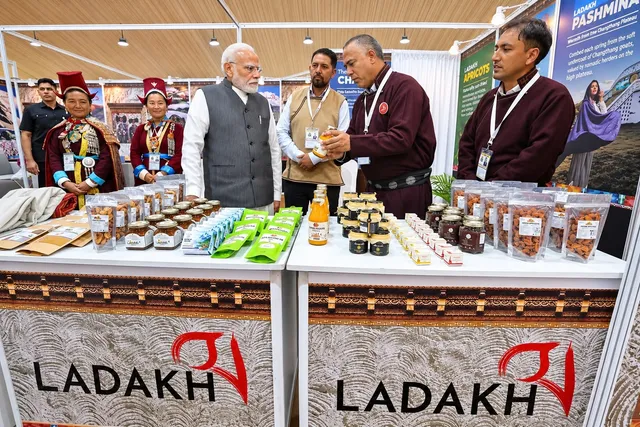
Under the new policy, local entrepreneurs receive priority, especially in the service sector, as outlined in the Ladakh Sustainable Industrial Policy 2022-27. In contrast, the manufacturing sector is open to outside investors, with a preference for local involvement.
“Industrial unit seeking investment in the Service sector like Hotel, Resort and Guest House etc shall be permitted only for local entrepreneurs of Ladakh. However, outside entrepreneurs shall be eligible for the service sector like Multi-Speciality Hospitals, Cable Car, Testing, R&D, Analysis, and Certification Services and should have local unskilled worker in the ratio of 90:10 and preference shall be given to the local skilled workers,” said the draft.
“For Industrial units seeking investment in the Manufacturing sector, outside entrepreneurs should have local unskilled worker in the ratio of 90:10 and preference shall be given to the local skilled workers may be permitted. However, preference may be given to the local entrepreneurs,” it added.
The draft said that the industrial estates in Ladakh will now allocate 70% of land to Micro and Small Enterprises (MSEs), 30% to Medium and Large Investors, and reserve 40%, 10%, and 10% for Priority Sector Industries, Start-ups, and Underprivileged Sections respectively.
The premium rates of industrial lands vary based on location and size, as the documents revealed that Rs 2.5 lakhs per kanal would be the rate in urban areas and Rs 2 lakhs in rural areas for land up to 5 kanals; Rs 3.5 lakhs and Rs 3 lakhs for land up to 8 kanals; Rs 4.5 lakhs and Rs 4 lakhs for land exceeding 8 kanals; and Rs 6 lakhs and Rs 5.5 lakhs for land over 20 kanals.
The draft document further said that applications will be managed through advertisements and an online portal, with a computerized lottery system for allotment after clearance by the Single Window Clearance Committee.
Applicants must submit a Detailed Project Report (DPR) online, prepared by approved consultants or agencies, it said.
“There shall be Two Committees for the allotment of land on the basis of Investment in plant and Machinery viz District Level Single Window Clearance Committee and UT Level Single Window Clearance Committee, headed by concerned Chief Executive Councillor of Leh or Kargil, and Advisor Ladakh, respectively,” the draft said.
The Industrial Land Allotment Policy is effective for 10 years.
“Provisional allotments are granted for up to two years, extendable by one year if 50% of work is completed. Surrendering land incurs penalties, and lease transfers are allowed under strict conditions,” said the draft document.
Land allotment will be made after submission of DPR and would be allotted on lease to the investors initially for a period of 30 years which may be extendable to 60 years at the first instance.
The draft said: The projects with investment in Plant and Machinery up to Rs. 50 Crores shall be decided oy district Level single window clearance committee headed by chief Executive Councillor, LAHDC of the concerned district, while Projects with investment of more than Rs. 50 crores shall be decided by the UT Level Single Window Clearance Committee on the recommendation of District Level Single Window Clearance Committee.
To ensure compliance, a Monitoring Cell will oversee project implementation, requiring quarterly reports from entrepreneurs and regular site visits. The Director of Industries and Commerce will review progress and assist with approvals.
“Overall, the UT Ladakh Industrial Land Allotment Policy seeks to enhance regional industrial development, with a strong emphasis on supporting local entrepreneurs and attracting investments to boost the region’s economic prospects,” read the draft document.