

By Bharat Nanda
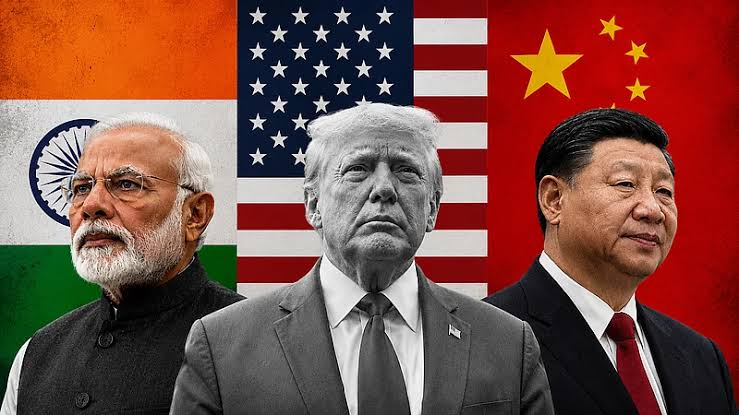
The Trump–Xi summit in Washington ended with carefully managed optics and limited agreements, but no breakthrough on the disputes shaping the U.S.–China rivalry. Both leaders signalled a willingness to keep trade tensions from escalating, begin formal discussions on artificial intelligence risks and maintain high-level contact. Yet Taiwan, advanced technology and the contest for strategic influence remain unresolved.
For India, the summit matters as much for what it left unsettled as for what it achieved. When Washington and Beijing adjust their relationship, the effects travel far beyond their borders—through trade, investment, supply chains, technology and the balance of power in the Indo-Pacific.
The clearest immediate outcome was an effort to contain trade friction. The two sides agreed to extend their existing truce for a limited period and reduce tariffs on around $30 billion worth of goods each. China also indicated plans to buy more American agricultural products and coal. These steps may ease pressure in the short term, but they do not resolve the structural rivalry beneath it. A temporary pause in a trade dispute is not a settlement of the competition over technology, industrial capacity or global influence.
The agreement to establish a formal dialogue on artificial intelligence deserves close attention. Washington and Beijing are not ending their technological contest; they are trying to manage some of the risks it creates. A communication channel for AI-related incidents may help reduce the chance of miscalculation. But it also raises a question for countries like India: who will shape the rules as artificial intelligence transforms economies, security and public life?
India cannot afford to remain merely a large market for technologies and standards developed elsewhere. It needs deeper research capabilities, reliable computing infrastructure, stronger domestic innovation and a skilled workforce. It must also take a more active role in international discussions on AI safety and governance. If the rules are written by the two leading powers, India should be at the table shaping them.
The summit also puts the China+1 opportunity in perspective. Companies have been looking to diversify production because dependence on a single country carries economic and strategic risks. India has made gains in areas such as electronics, mobile phones and pharmaceuticals. But it should not assume that U.S.–China tension will keep driving investment its way. If relations stabilise, some businesses may feel less immediate pressure to shift production. The China+1 trend may continue, but India must earn its place in supply chains through competitive infrastructure, efficient logistics, skilled workers, predictable policy and dependable regulation.
There is another side to a calmer trade environment. If Chinese manufacturers face fewer barriers in major markets, competition for Indian producers could intensify. Lower tensions may benefit the global economy, but they do not automatically benefit every industry in India. New Delhi must use any period of greater stability to improve productivity, build scale and help domestic firms compete on quality and cost.
Critical minerals are another part of this strategic picture. China’s strong position in processing and supply chains for essential materials gives it influence over industries central to advanced manufacturing and emerging technologies. India needs to develop its own mining and processing capacity, while building partnerships that diversify access to these resources. Supply-chain security cannot be declared into existence; it has to be built through investment, technology and sustained cooperation.
The summit also offers a reminder about the nature of great-power politics. Rivals can compete fiercely and still cooperate where their interests overlap. That is not a contradiction; it is how states protect their interests. India should draw the practical lesson. It can deepen cooperation with the United States, Japan and Australia through the Quad, maintain channels with China and use platforms such as the G20 and BRICS to preserve wider diplomatic space. Strategic autonomy is most valuable when it rests on national strength and gives India room to make its own choices.
This was not a historic reconciliation between Washington and Beijing. It was an effort to keep competition from sliding, for now, into a sharper confrontation. The central disputes remain, and the next phase of the relationship will depend on whether limited agreements can survive the pressures surrounding them.
For India, the lesson is direct: the country’s economic and strategic rise cannot depend on Washington and Beijing remaining at odds. Their rivalry may create openings; their cooperation may close some of them. India’s long-term position will depend on what it builds at home—competitive manufacturing, technological capability, AI expertise, secure access to critical minerals and partnerships that strengthen its options.
The summit may shape the conditions in which India operates. It will not determine what India becomes.
