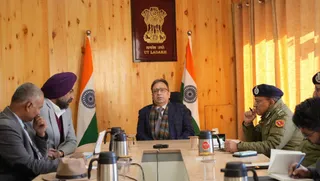


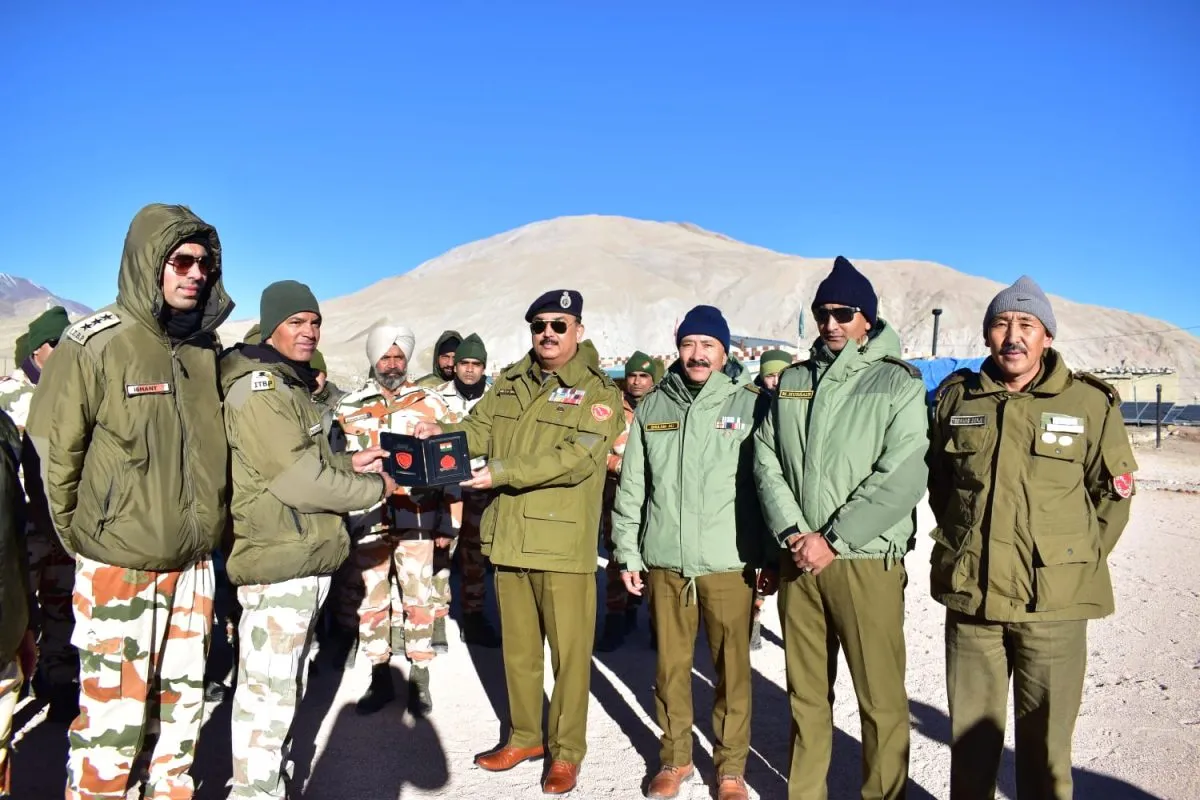
Leh: Dr S.D Singh Jamwal, IPS, ADGP,Head of Police, U.T Ladakh, concluded a significant three-day visit to Indo-China border areas in Eastern Ladakh.
The purpose of the visit was to assess the security scenario in border areas and to evaluate police infrastructure and welfare of police personnel posted in these strategically important areas.
During the visit, Dr. Jamwal inaugurated several key initiatives and infrastructures of Police. On the first day, he inaugurated Tourist Facilitation Centre and quarters/ barrack at Police Post Tangtse, emphasizing the importance of enhancing facilities for tourists.
Continuing his itinerary, Dr. Jamwal inaugurated Tourist Transit Camp and Solar Photovoltaic Plant at Pangong, showcasing the integration of sustainable practices into policing efforts.
The second day of the visit witnessed inauguration of Type-II Jawan Quarter at Police Post Chushul. He also inspected greenhouses constructed by Ladakh Police at Chushul, Tangtse n Nyoma.
On the concluding day of the visit, Dr. Jamwal visited challenging terrains of Demjok, Tsaga, and Dungti villages where he visited and interacted with ITBP and Army jawans. He commended all security personnel for their dedication, he acknowledged their crucial role in maintaining peace and security in the border areas.
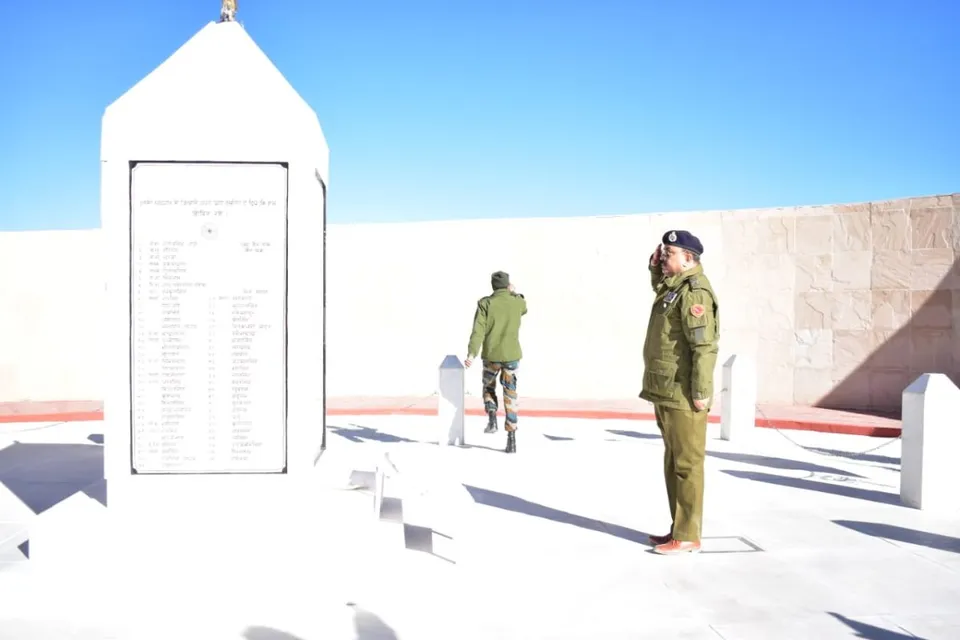
The visit also included a stop at Hanlay, where the under-construction police check post, Hanlay was inspected. Dr. Jamwal also inaugurated the Jawans Barrack and Photovoltaic Plant at Police Station Nyoma.
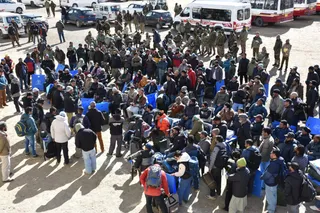
Beyond infrastructure, Dr. Jamwal interacted with general public of various villages of Changthang region providing a platform for addressing community concerns. He stressed on the significance of education for young children. Urging parents to guide their children against drug abuse, he underscored the role of the community in supporting policing efforts and crime detection.
This comprehensive visit reflects Ladakh Police’s commitment to ensuring the safety and security of the region, with a focus on both infrastructure development and community-oriented policing.