
LEH: With focus on achieving significant reduction in energy usage, the Ladakh administration is betting big on Geothermal Heating System in the Buildings of the region, as part of its mega energy efficiency policies, which it seeks to implement in the Union Territory.
The administration has identified three focus centres—Buildings, Transport and Industry, in its ambitious State Energy Efficiency Action Plan and has set eyes on implementation of Geothermal Heating System in the Buildings of Ladakh.
Due to harsh winters and extreme weather conditions, the residents of Ladakh have to rely heavily on electricity for heating purposes in buildings, which in turn puts a strain on the region’s power grid and contributes to high energy costs, an official said.
“To address this issue, implementing a geothermal heating system is necessary for Ladakh,” he said, adding that the geothermal heating systems are being explored by Public Works Department and other related departments in the union territory to have renewable based heating system which will help the UT to become carbon balance region, earlier than the target year of 2050.
“According to the calculations of the administration, approximately 80% of the electricity used in buildings in Ladakh is for heating purposes. By implementing geothermal heating, we estimate that up to 70% of energy savings can be achieved compared to traditional electrical resistance-based heating systems,” an official document in this regard said.
A geothermal heating system uses the natural heat of the earth to warm buildings. The system uses pipes buried underground to circulate water that absorbs the earth’s natural heat. The heated water is then used to warm buildings through a series of radiators or underfloor heating systems. Unlike traditional heating systems, geothermal heating systems are highly efficient and have significantly lower operating costs.
The administration proposes implementing geothermal heating systems in at least 20% of the buildings, where the system can provide hot water for comfort and domestic use.
This move is expected to lead to significant reduction in energy usage in the union territory. The strategy is estimated to result in energy savings of4900 ton of oil equivalent or 0.0049 MTOE (million ton of oil equivalent) in the moderate scenario and 9700 ton of oil equivalent or 0.0097 MTOE (million ton of oil equivalent) in the ambitious scenario till Financial Year 2031.
It may be mentioned that the Kargil administration has already decided to put the geothermal heating installation to test its efficiency and feasibility in the extreme cold, and if it remains successful, the district is likely to replicate the energy system.
The benefits of implementing a geothermal heating system in Ladakh are aplenty, the administration notes.
“Firstly, it would significantly reduce the region’s reliance on electricity for heating, leading to lower energy costs and reduced strain on the power grid. Secondly, the geothermal system can provide a reliable source of hot water for domestic use, even during the winter months when traditional water sources can freeze. This would improve the quality of life for residents and eliminate the need to migrate during the winter months. Thirdly, geothermal heating would provide a more comfortable working environment for residents, allowing them to work from hotels or homes throughout the year,” the document, accessed by The Earth News, said.
The administration will implement this through multiple agencies including Bureau of Energy Efficiency, Ladakh Power Development Department, Public Works Department and Urban Local Bodies.
A week ago, the Kargil administration decided to put the geothermal heating installation to test its efficiency and feasibility in the extreme cold, and if it remains successful, the district is likely to replicate the energy system.
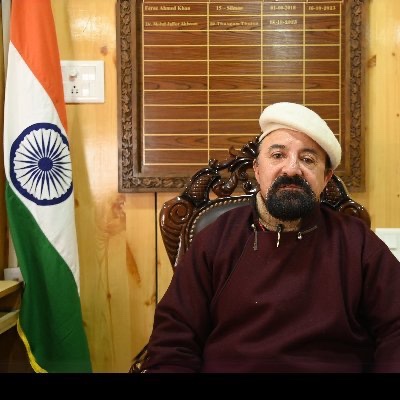
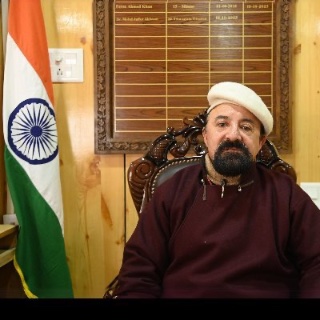
Chief Executive Councillor of LAHDC Kargil, Feroz Ahmad Khan on June 20 had convened a meeting with the representatives of Northern ECO Earth Design Solution, a Consultancy and Architecture Firm which gave a detailed presentation on geothermal heating system, green buildings and highlighted its advantages.
The meeting had decided to identify one Health Sub-Centre in Kargil for the pilot project in the extreme cold area so that its success can be tested and in future, the project could be replicated at a larger scale.
To move further in this direction, the union territory administration is mulling to conduct a feasibility study on Geothermal Heating System in Ladakh which involves identifying potential locations for the system, analysing the geological conditions, assessing the energy demand of the region, and estimating the costs and benefits of the project. The study would also explore potential funding options and partnerships with private entities to help finance the project.
The administration would develop regulatory frameworks for Geothermal Heating System in Ladakh outlining the roles and responsibilities of the various stakeholders, including government agencies, private entities, and consumers, besides providing incentives and subsidies for Geothermal Heating System adoption in Ladakh to encourage the adoption of geothermal heating systems which could be in the form of tax breaks, rebates, and low-interest loans to help offset the initial costs of installation.
The administration also plans to launch a public awareness campaign to educate residents, businesses, and institutions about the benefits of geothermal heating systems, besides collaborating with international organizations and experts to gain knowledge and expertise in the installation and operation of geothermal heating systems.