

Leh: Amid concerns triggered by the temporary closure of the strategic Zojila Pass and disruptions in fuel supply routes, the Union Territory administration has issued a strong reassurance to the public, stating that Ladakh has adequate reserves of petroleum products and there is no need for panic buying or hoarding.
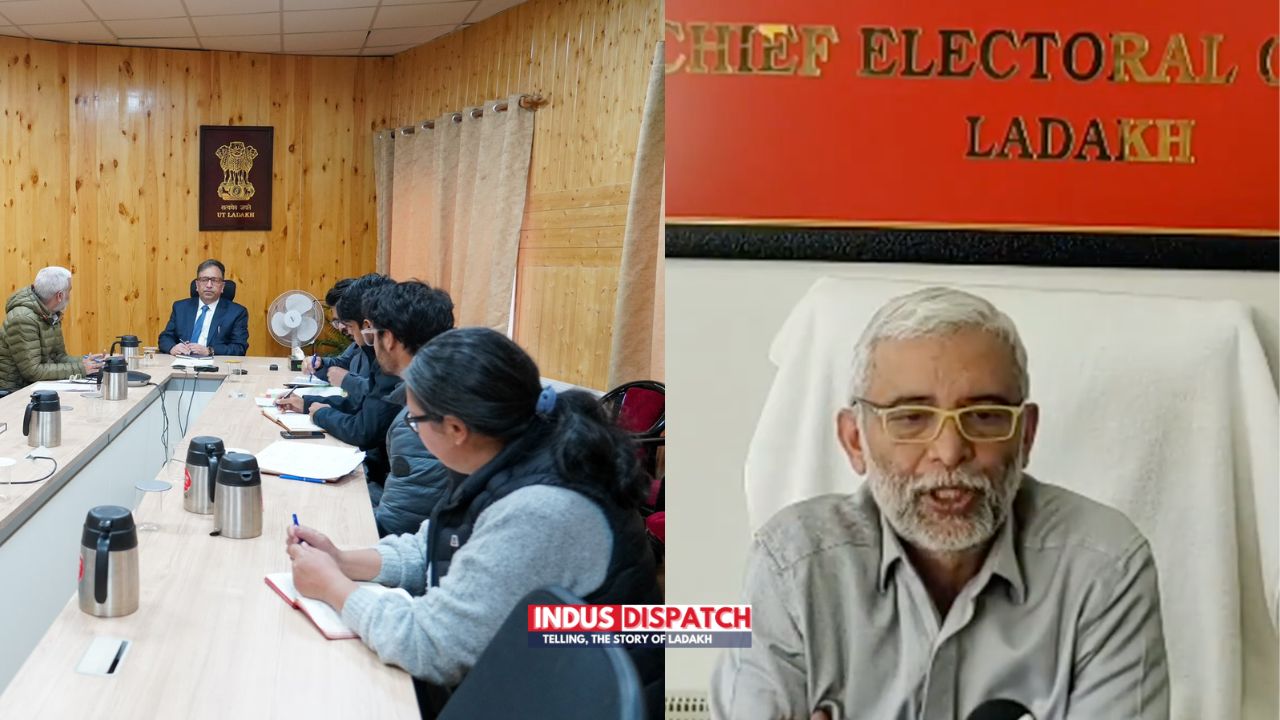
Secretary, Food, Civil Supplies & Consumer Affairs, Rahul Sharma, informed that Ladakh currently holds petrol and diesel stock sufficient for approximately 62 days. While some fuel tankers remain stranded near Sonamarg due to road closure, officials expect their arrival shortly once movement resumes.
He further stated that LPG reserves in the region are adequate for around 75 days, ensuring uninterrupted supply for domestic consumers. Emphasizing transparency in distribution, the administration has implemented a strict OTP-based system for LPG bookings to prevent misuse, duplication, and black marketing. “No LPG cylinder will be issued without proper OTP verification,” he said, adding that the mechanism ensures fair and equal access to all consumers.
Addressing winter fuel dependency, Sharma highlighted that Ladakh currently has around 7 lakh litres of kerosene in stock. Given the region’s extreme climatic conditions, kerosene remains a crucial energy source, especially during harsh winters when heating needs peak. “There is not a single household in Ladakh that does not rely on kerosene in winter, and we are fully prepared to meet this demand,” he noted.
The administration also cautioned against misinformation and attempts to create artificial shortages. Officials made it clear that strict action will be taken against hoarding and black marketing of essential fuels. Regular monitoring of oil marketing companies and local distributors is being carried out to ensure smooth and equitable supply across both Leh and Kargil districts.
Earlier, Chief Secretary Ashish Kundra also chaired a high-level meeting with representatives of oil marketing companies and regional stakeholders to review the supply situation.
The meeting assessed stock levels of LPG, petrol, diesel, and kerosene, and focused on strengthening distribution mechanisms to prevent any disruptions.
In a significant decision, authorities have revised the allocation for commercial LPG usage, increasing the quota from 20 percent to 40 percent of available stock.
This move aims to support hotels, restaurants, and other establishments while maintaining priority for domestic consumers.
Additionally, certain institutions such as schools and residential facilities may be treated under the domestic category to ensure uninterrupted services.
The administration reiterated that Ladakh’s fuel supply situation remains stable despite logistical challenges, and urged residents not to panic or engage in unnecessary stockpiling. With continuous monitoring and coordinated efforts, officials expressed confidence in maintaining uninterrupted availability of essential fuels across the Union Territory.
