

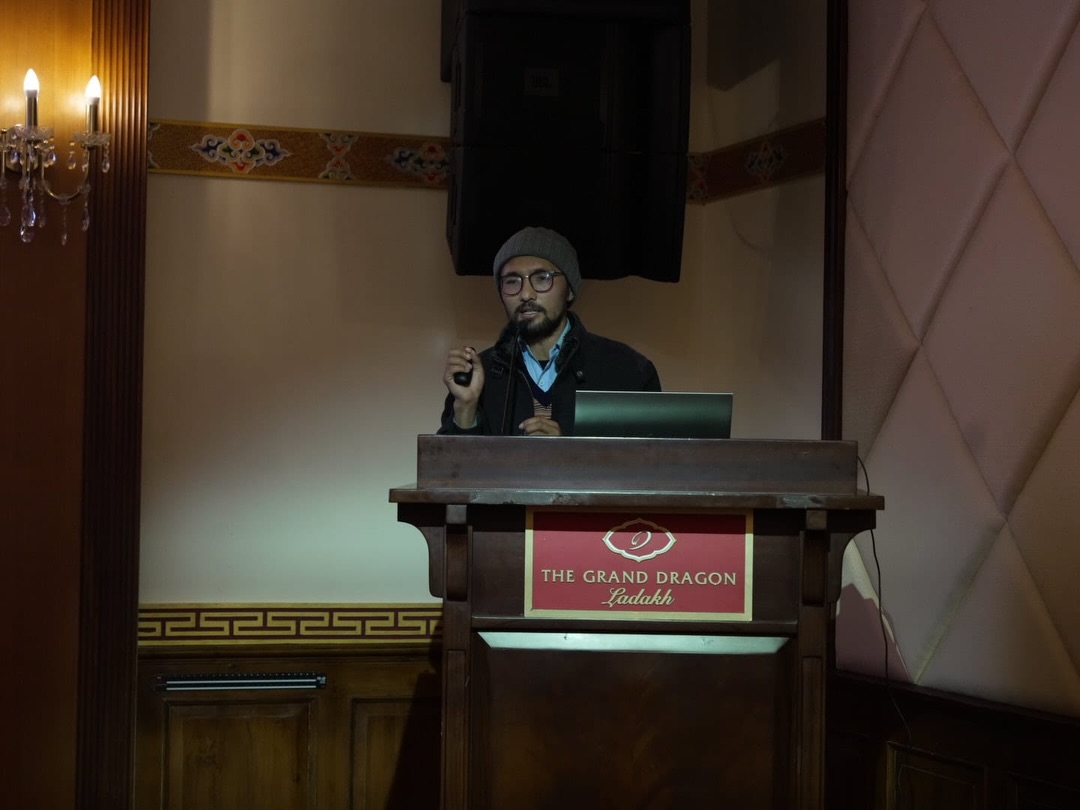
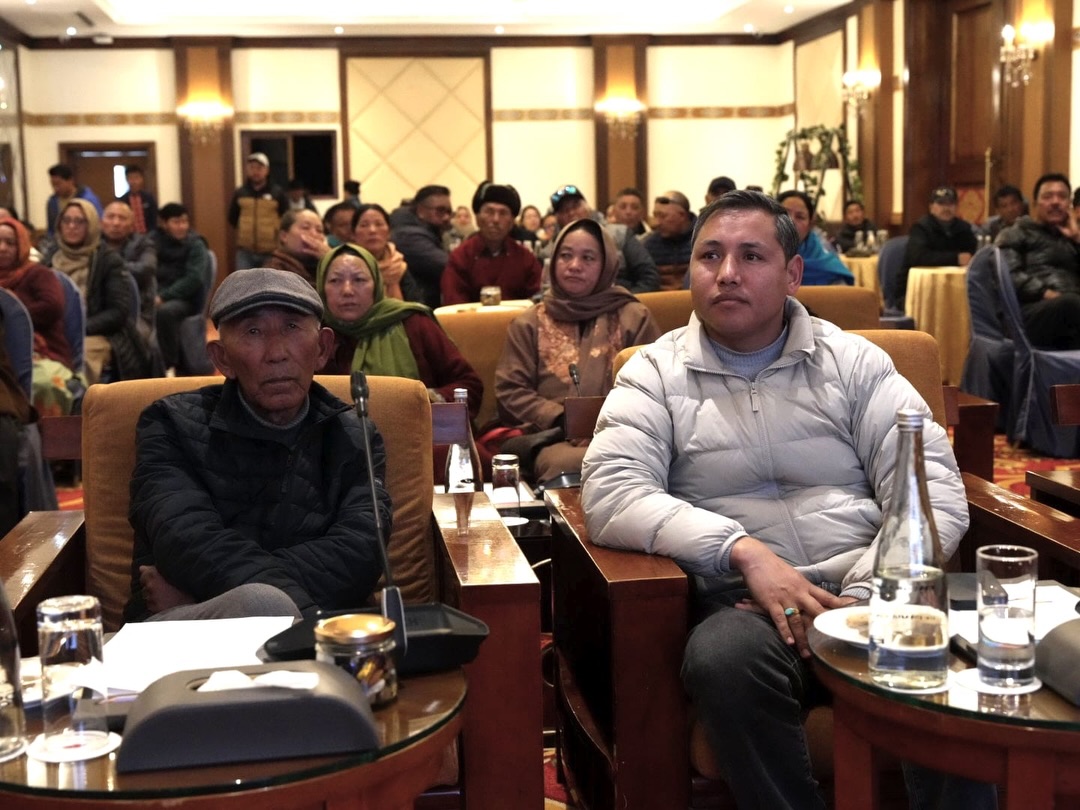
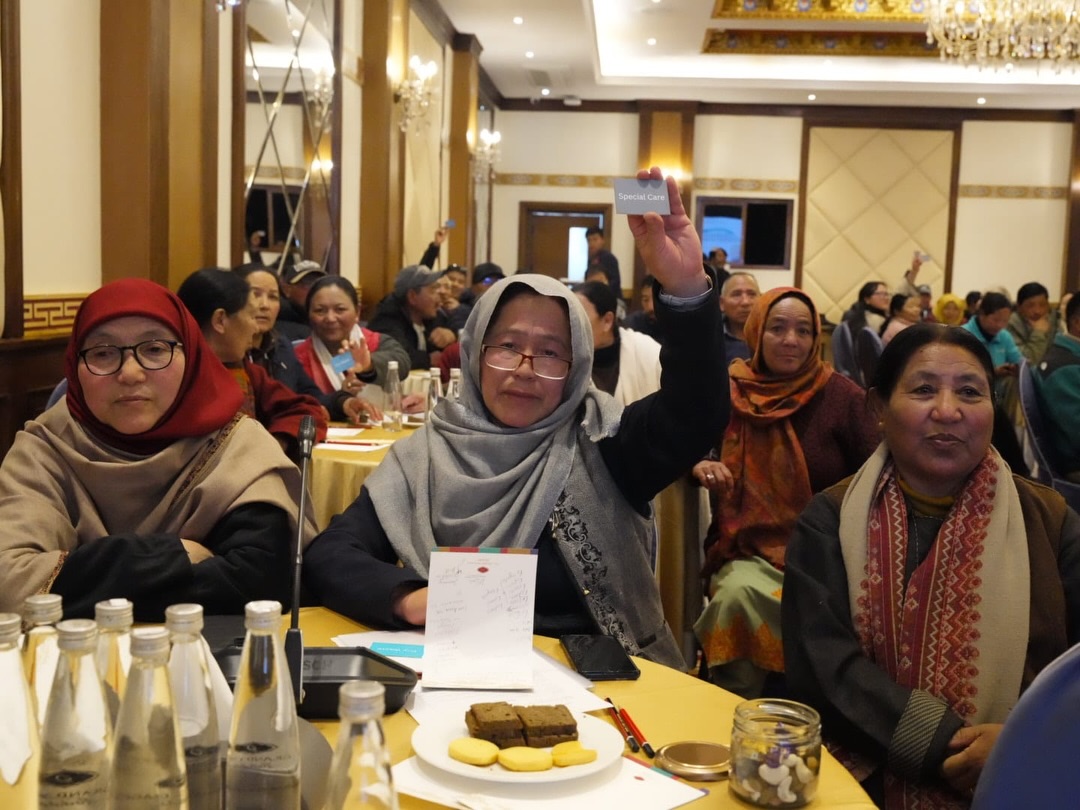
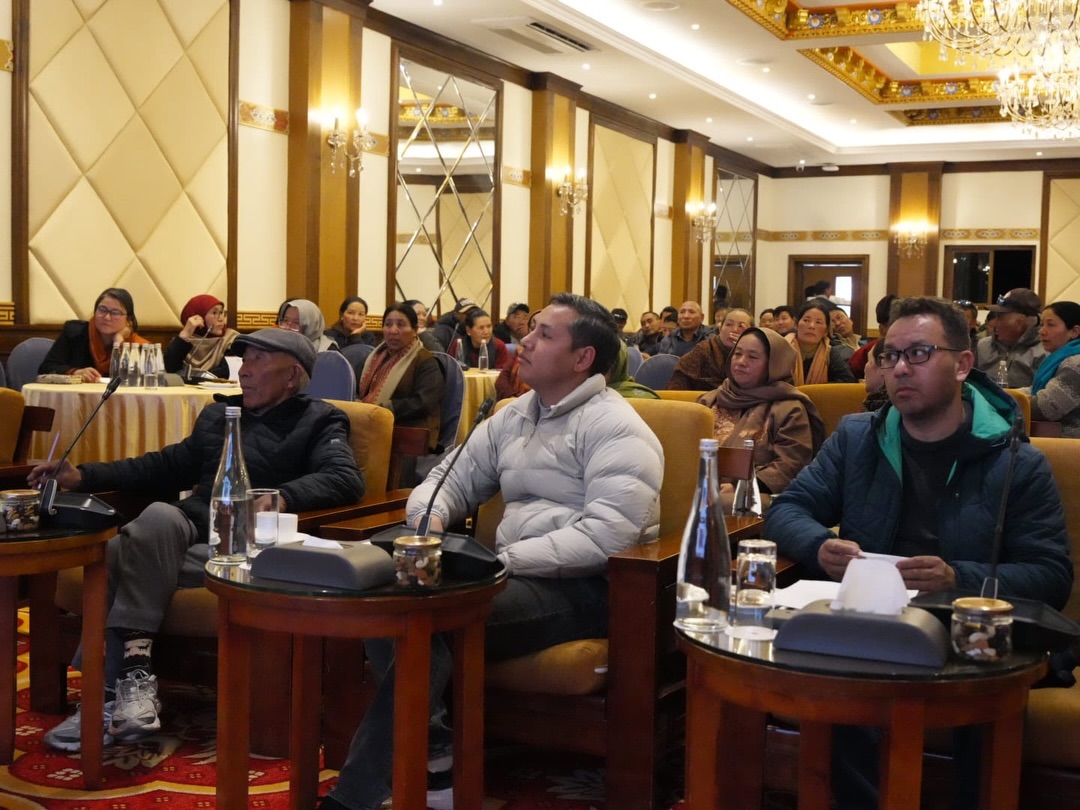
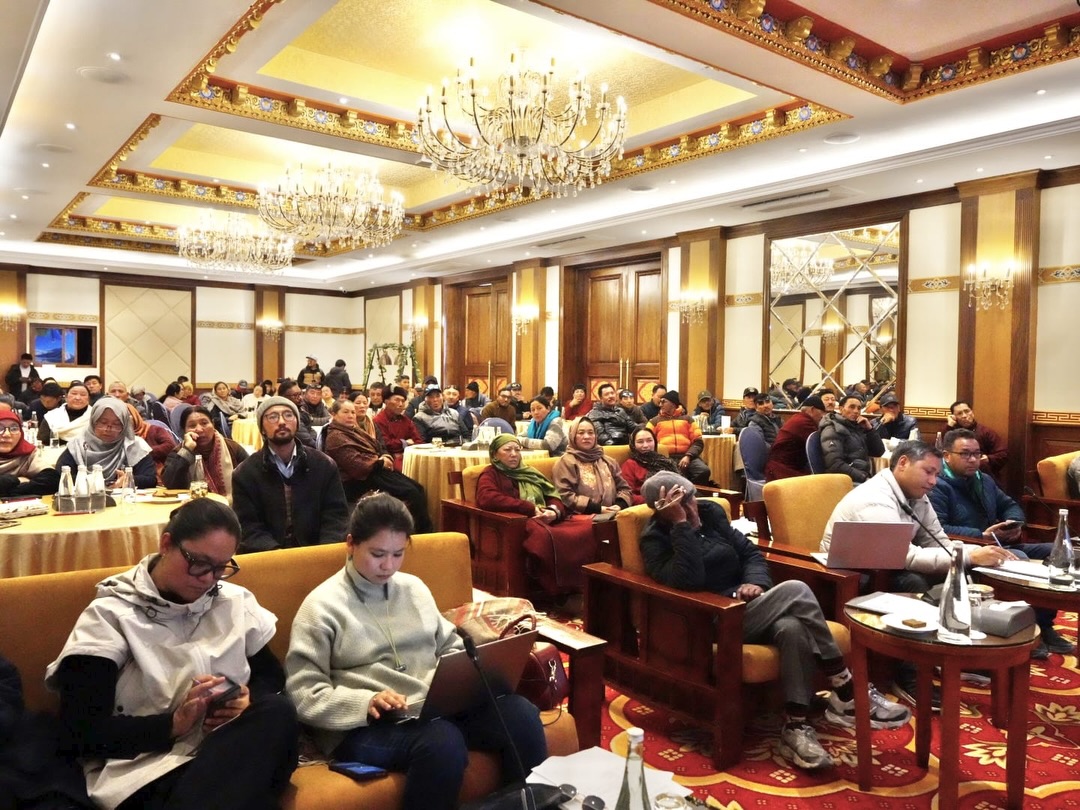
Leh, February 28: The Municipal Committee Leh (MC Leh) on Friday conducted a half-day Training and Capacity Building Programme on Integrated Solid Waste Management under Swachh Bharat Mission–Urban 2.0 at The Grand Dragon Hotel, in collaboration with Zero Waste Ladakh and the Ladakh Ecological Development Group (LeDEG).
₹100 Monthly Household User Fee Announced
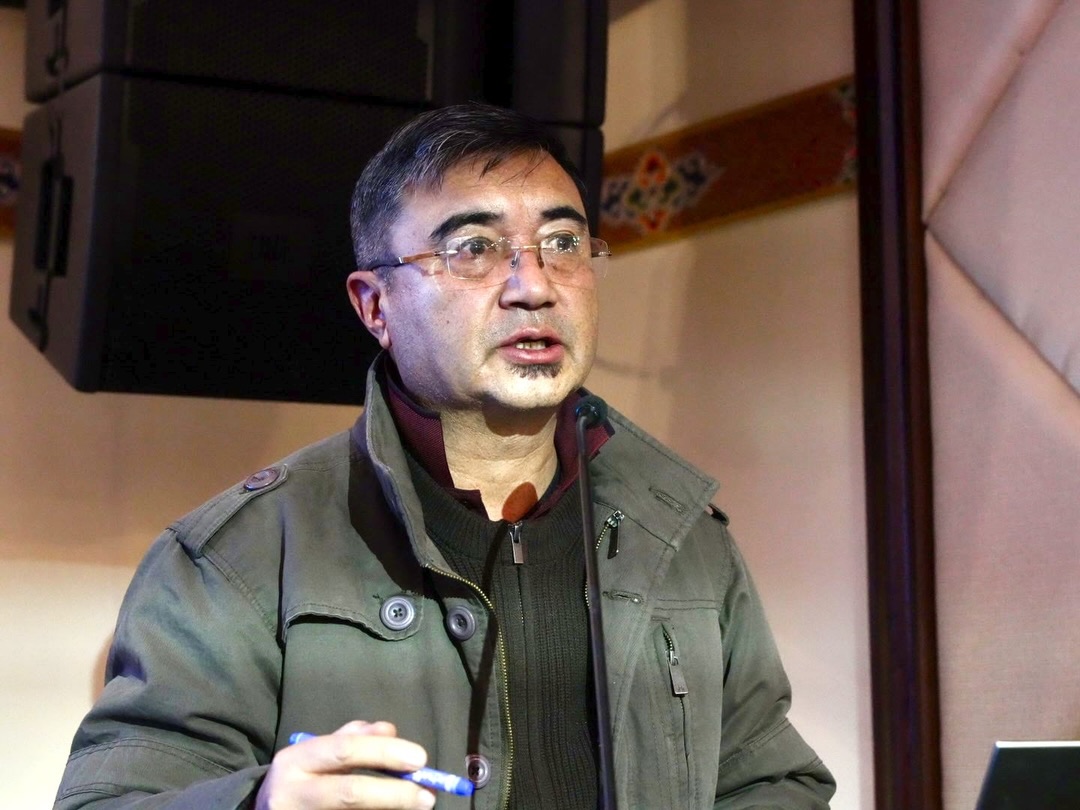
Executive Officer Stanzin Rabgais announced that Household User Charges will be implemented from April 1, 2026, at ₹100 per month. Households opting for annual payment of ₹1,200 will receive a ₹200 rebate. Separate user charges will apply to commercial establishments such as hotels and restaurants. He urged Nambardars and community representatives to ensure awareness at ward and mohalla levels for smooth implementation.
Rabgais emphasized that effective waste management requires coordination between elected representatives, officials and citizens, calling it a shared civic responsibility.
Segregation, 3R Model & Decentralised Plan
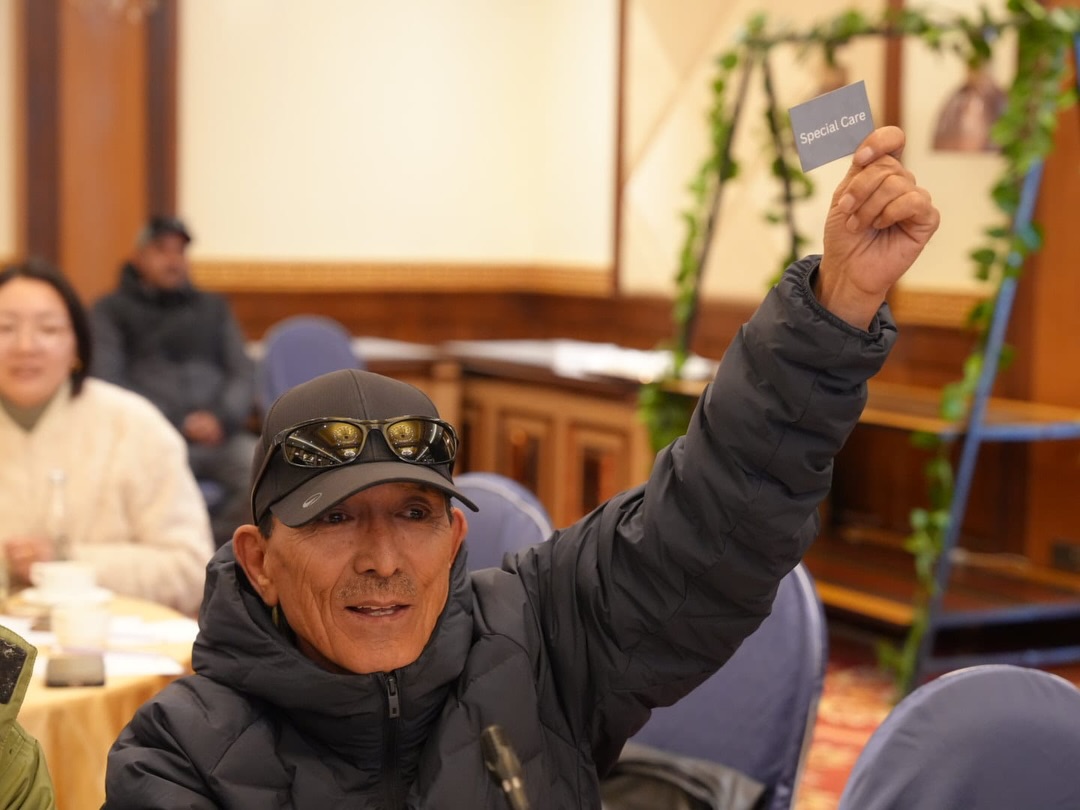
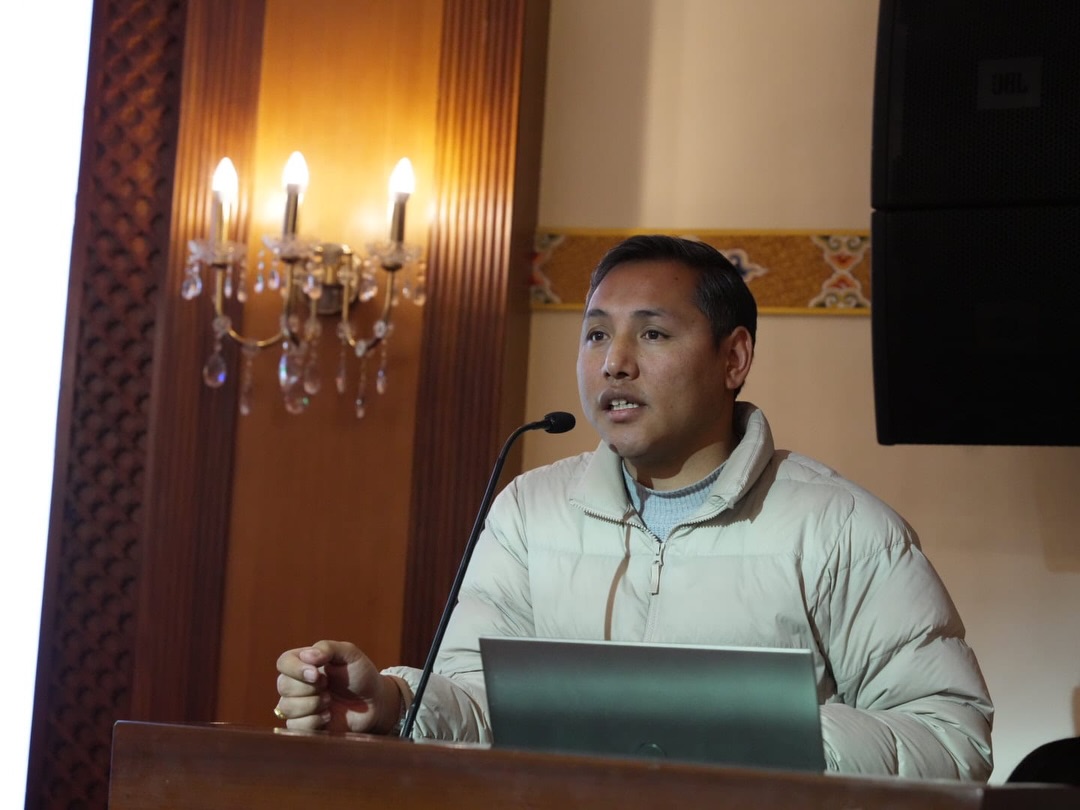
Mepham Jigmet of Zero Waste Ladakh delivered a session on integrated waste management systems, covering municipal frameworks, waste-to-energy concepts and the principles of Reduce, Reuse and Recycle. A practical demonstration on scientific source segregation of wet, dry, sanitary and special care waste was conducted.
Asma from LeDEG highlighted that Leh generates a disproportionately high volume of waste relative to its population, particularly during peak tourist seasons. She flagged key concerns such as mixed waste collection, pressure on centralized facilities and environmental risks from open dumping.
She informed participants about the operational 3R Centre in Leh Main Market, where residents can deposit recyclables for incentives, and outlined plans to divide Leh into five waste management zones supported by decentralized one-tonne-per-day facility plants to promote climate-resilient systems.
Workers Seek Respect, Monitoring
Dorjey, Plant Supervisor at the SWM Plant, Skampari, raised concerns over improper segregation and hazardous waste that endangers sanitation workers. He stressed the need for monitoring at collection points and safer working conditions. Tsering, Supervisor of Project TsangDa, Solar Colony, highlighted instances of disrespect and verbal abuse faced by sanitation workers, urging the community to uphold their dignity.
Collective Responsibility Emphasised
Moses Kunzang, Administrative Secretary (Youth, Services & Sports) and Director (Housing & Urban Development), attended as Chief Guest and underscored the importance of institutional capacity building and behavioural change for effective waste governance.
The programme concluded with MC Leh reiterating strict implementation of cleanliness measures from April 1 and seeking updated household data from Nambardars by March-end. School-level awareness drives and phased improvements in public toilet systems were also announced.
The event saw participation from Nambardars, SHGs, Ama Tsogspa, religious institutions and other stakeholders, ending with a collective resolve to strengthen decentralized and community-driven solid waste management in Leh.
