Kargil: The vibrant Mamani Ethnic Food Festival of Purig, held annually at Heritage Village Styangkung Barsoo, marked a triumphant celebration of culinary diversity, cultural heritage, and community unity.
Organized by the Himalayan Cultural Heritage Foundation in collaboration with Nyarpa Committee Styangkung, this annual festival has emerged as a cornerstone in preserving and reviving the rich traditions of the Ladakh region.
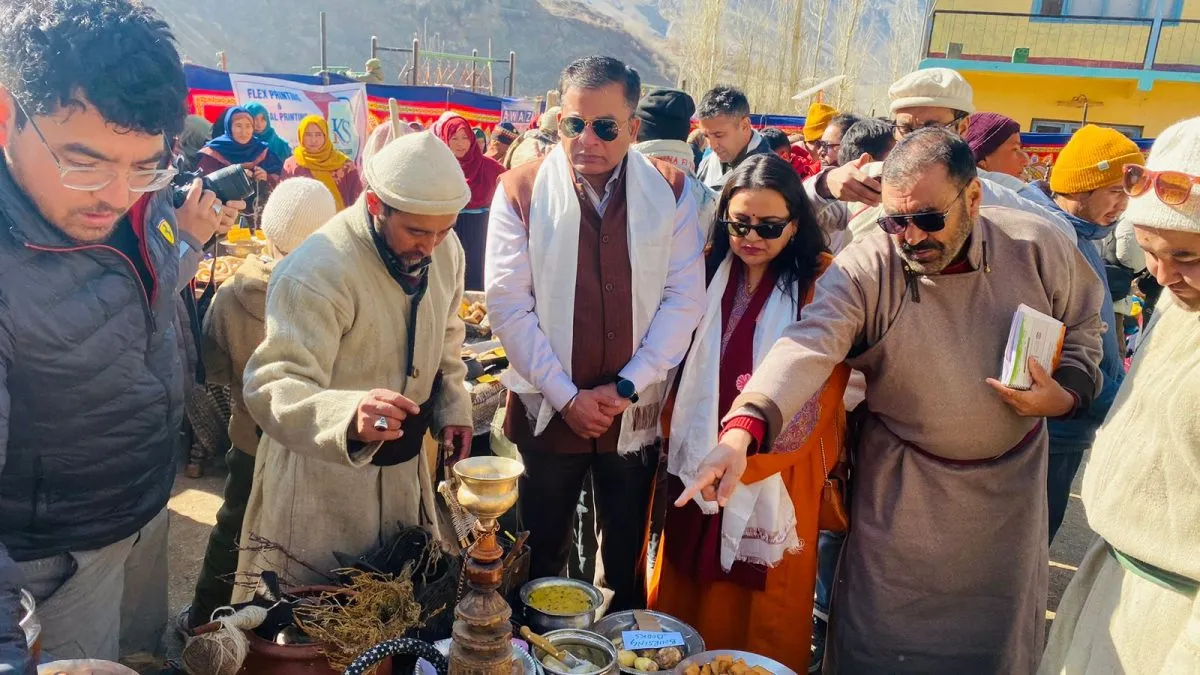
The festival featured six food stalls, each representing different villages, presenting a collective array of 35 traditional dishes. From the soul-warming Thugpa to the exquisite Popot and a variety of bread such as Hrtsrap Khur, Mamani showcased the authentic flavors of the region.
Originally predating to the period of Bonism, Mamani was a time for worshipping spirits called Lha. Over the years, it has evolved into a communal celebration, fostering bonds among households and communities.
Cultural activists, notably Anayat Ali Shotopa and the Himalayan Cultural Heritage Foundation, have played a crucial role in reviving and formalizing this cultural extravaganza.
Mamani includes an annual competition, judging dishes on taste, presentation, and variety. Notable figures such as Chief Guest Brigadier Vinay Bahl and Guest of Honor Purgi poet Syed Hadi Shah Aga graced the occasion, emphasizing the festival’s significance in cultural preservation.
The Yokma Group clinched the first prize, followed by the Aziz Group in the second position, and the Yokma Akhone group in the third position. Consolation prizes were awarded to the groups Staykborig, Singay, and Akhonepa.
The festival paid tribute to notable historians and academics, including Aba Sonam Punchok Achinathang. Special appreciation was awarded to contributors such as Mohd Sharif Owner of AMSM Heritage Museum, Ngyerpa Committee Styangkung, and Nasir Hussain Zaidi for their dedication to the revival and preservation of Culture and Heritage.
Mamani stands as a testament to the commitment of Ladakh communities to preserve their cultural heritage. The festival not only celebrates traditions but also promotes communal harmony, bringing together diverse communities in a shared celebration of their heritage.
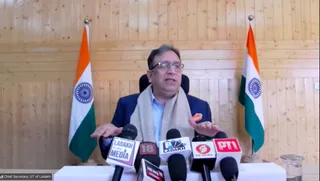
Dr. Sonam Wongchuk, Founder HCHF, while talking to media said “We can see the result that even the Tourism department UT Ladakh has included the festival in its calendar”. He highlighted the festival’s inclusion in UT Ladakh’s tourism calendar, which started with a small level start in 2016 an initiative by Anayat Ali Shotopa and noted the success in reviving over 39 dishes.
Anayat Ali Shotopa, Cultural Activist said that the motive of the celebration is to engage the local people in the preservation of Local Dishes, Dress, and Culture. He announced the festival’s movement to Shina Belt in Budgam Village for Tramo next year, emphasizing the motive to engage local people in the preservation of local dishes, dress, and culture.
The Mamani Ethnic Food Festival encapsulates Ladakh’s cultural resilience and commitment to heritage preservation. As it travels to new destinations, the festival continues to leave a flavorful imprint on the region’s cultural tapestry.