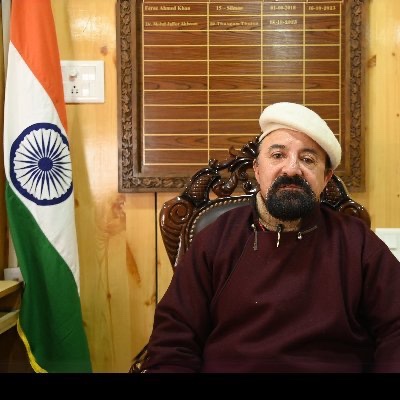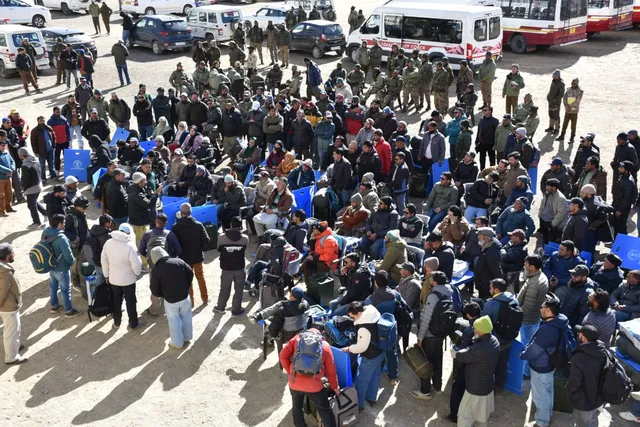

Leh: With an aim to fight against junk food menace in the union territory of Ladakh, Jigmet Singge from local Futures, Ladakh and Dr Nordan Otzer organised an awareness program “Chak Chok” in Leh.
Local Futures Ladakh, in collaboration with socially- and environmentally-concerned Dr. Nordan Odzer, have launched a provocative campaign against junk food titled Chak Chok, which translates to “rubbish” or “unwanted”. Chak Chok aims to draw attention to the fact that Ladakhis are increasingly developing diseases like diabetes, hypertension and cancer, primarily due to their consumption of fast food and sugary beverages peddled by corporations. The campaign is advocating that all junk food and related products be eliminated from Ladakhi kitchens and dietary habits.
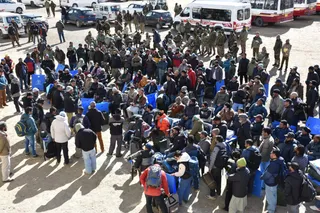
Chak Chok began with a series of interactive sessions at different schools with hundreds of students and their teachers, at which Dr. Odzer discussed the links between increasing junk food consumption in Ladakh and rising rates of cancer, diabetes, obesity, heart disease, depression, and lower IQ in children – among other ill effects.
He lamented that locally grown food has increasingly been displaced by packaged/junk food, that Ladakhis are not as physically active as in the past, and that the mounting pressure to earn lots of money is taking a psychological toll.
He explained the harmful effects of specific junk food ingredients, especially excess sugar and salt, and refined flours and oils. Pesticides that are used in imported vegetables and fruit production leads to grave problems like cancer – an issue which is seriously impacting people in Kashmir, Punjab and other states where the chemical-intensive model has taken over, and from which Ladakh imports significant amounts of produce. Finally, he talked about the harmful health and social effects of non-local alcohol.
Local Futures Ladakh team members explained the ill effects of plastics and other waste that is generated because of the increasing domination of the junk food economy. There is no proper waste management in Ladakh, so waste including plastic packaging is usually burned, or thrown away out of sight. When plastics are burned, harmful emissions enter the air which eventually gets back inside our bodies, and the emissions also contribute to climate change. When the plastic waste is thrown away, it enters streams and fields by various means, which harms the land, animals and agriculture.
The team also focused on the economic and cultural aspects of the junk food transition. On one level, the loss of Ladakh’s own locally-farmed food is severing people’s ties to their own land and history, tremendously diminishing their ability to connect with and thus care about nature.