

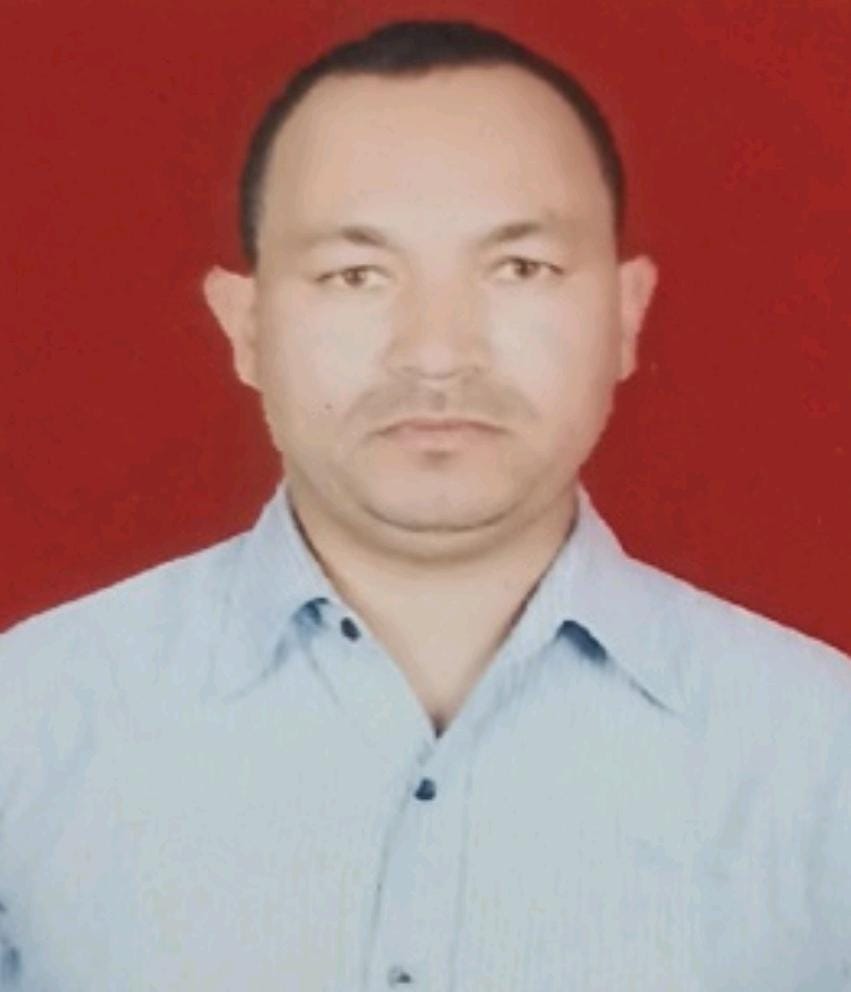
By Ajaz Ahmad Bardi | PGJMC, Chubi, Leh, Ladakh
Contact: 9906996991 | Email: [email protected]
The Union Territory of Ladakh is poised to witness a historic transformation in its administrative landscape as the Union Ministry of Home Affairs (MHA) prepares to operationalize five new districts: Sham, Nubra, and Changthang in Leh, and Zanskar and Drass in Kargil. This long-awaited initiative, approved in principle by the MHA in August 2024, will expand Ladakh’s administrative map from two districts to seven—bringing governance closer to people in some of India’s most remote, underdeveloped, and strategically significant regions.
The administration of Ladakh is expected to submit the final recommendations of a high-level committee regarding the creation of these districts to the MHA on or after April 15, 2025. Once approved, this proposal will formally mark a milestone in Ladakh’s journey towards decentralized, equitable, and inclusive development. The move has been widely welcomed by local communities, who have long struggled with administrative inefficiencies and poor access to government services due to the vast and inhospitable terrain.
The proposal to create new districts in Ladakh is rooted in the fundamental principles that guide district reorganization in India: administrative convenience, balanced population distribution, geographical challenges, and the need to strengthen development in neglected areas. Large, sparsely populated regions like Zanskar, Changthang, and Drass have long suffered from a lack of timely government intervention, especially during harsh winters and emergencies. The creation of dedicated districts with their own headquarters, officers, and resources is expected to address these deficiencies and bring governance to the doorstep of even the most isolated hamlets.
The high-level committee tasked with drafting the proposal was constituted on September 26, 2024, barely a month after Union Home Minister Amit Shah’s announcement of the government’s intent to reorganize Ladakh administratively. The panel was chaired by retired IAS officer Pramod Kumar Jain and included senior members Kacho Asfandyar Khan and Tsering Angchok, along with the Deputy Commissioners of Leh and Kargil as ex-officio members. Over six months, the committee engaged with local representatives, government departments, and civil society organizations to finalize its recommendations, which include detailed proposals for district boundaries, headquarters locations, and governance structures.
According to the plan, Leh district will now be divided into four districts: Leh, Sham, Nubra, and Changthang; while Kargil district will be split into three: Kargil, Zanskar, and Drass. The UT administration’s internal committee, led by the Administrative Secretary of the General Administration Department, is currently reviewing the high-level panel’s report before forwarding it to the MHA. Once the MHA gives its approval, a formal notification will be issued, and the new administrative units will become operational—initially functioning from temporary or rented premises while permanent complexes are constructed.
This sweeping administrative change, however, comes with its own set of challenges. The creation of five new districts raises serious questions about the future of Ladakh’s unique Ladakh Autonomous Hill Development Councils (LAHDCs), which currently exist only in Leh and Kargil. Each council comprises 30 members (26 elected and four nominated), but it remains unclear how governance will be realigned to accommodate the new administrative units. Officials admit that creating seven separate councils may not be feasible given Ladakh’s sparse population of approximately 1.84 lakh voters as per the 2024 rolls. The MHA is expected to provide guidance on this issue, particularly since elections to the Leh Hill Council are due in October 2025.
Even as Ladakh awaits the operationalization of the five new districts, fresh demands for additional administrative units have already begun to emerge. In Kargil, residents of the Sankoo–Panikhar valley are pressing for separate district status, citing their large population and geographical spread. In Leh, residents of Chuchot and adjoining villages—including Chuchot Yokma, Chuchot Goma, Chuchot Shama, Kharu, Thiksay, Stok, and Matho—are similarly calling for the creation of a new district. They argue that Chuchot, reputed to be Asia’s largest village by area and population, deserves recognition as a district to better address the needs of its sizeable population and unique cultural heritage. These demands highlight the growing aspirations of Ladakh’s diverse communities and underline the need for equitable distribution of administrative resources in future planning.
The creation of the new districts also comes against the backdrop of unresolved larger political demands. Since Ladakh was carved out as a separate Union Territory in 2019, the Leh Apex Body (LAB) and Kargil Democratic Alliance (KDA) have been campaigning for full statehood, inclusion of Ladakh under the Sixth Schedule of the Constitution to safeguard tribal identity and autonomy, the creation of a separate Ladakh Public Service Commission, and the allocation of an additional Parliamentary seat to reflect Ladakh’s vast geographical area. The last official meeting between the LAB, KDA, and the MHA took place on January 15, 2025, though informal discussions reportedly continue.
For Ladakh, the creation of these five new districts represents much more than just a bureaucratic adjustment. It signals a shift toward responsive governance, improved service delivery, and inclusive development in one of India’s most challenging regions. The move is also a testament to the government’s recognition of the unique difficulties faced by residents of these remote areas—where distances are vast, winters are long and harsh, and infrastructure is often rudimentary. Yet, as this new administrative framework takes shape, the government must ensure that the process is implemented smoothly and equitably, leaving no community behind.
The operationalization of these districts is not just about redrawing lines on a map. It is about building a governance system that is closer to the people, more responsive to their needs, and better equipped to address the developmental challenges of this ecologically sensitive and strategically crucial region. As the people of Ladakh await the MHA’s final notification, there is a palpable sense of hope and anticipation—but also a recognition that much remains to be done. From addressing pending demands for additional districts to resolving questions about Hill Council governance and responding to calls for greater political autonomy, the road ahead for Ladakh’s administration is both challenging and full of promise.
This moment marks a historic opportunity to shape a more just, inclusive, and development-oriented Ladakh—one that lives up to the aspirations of its people while strengthening India’s frontiers. As this bold vision begins to take shape, it is imperative for all stakeholders to work together to ensure its success.
Ajaz Ahmad Bardi is a freelancer journalist and commentator on Ladakh’s administrative and developmental issues.
(Contact: 9906996991 | Email: [email protected])
