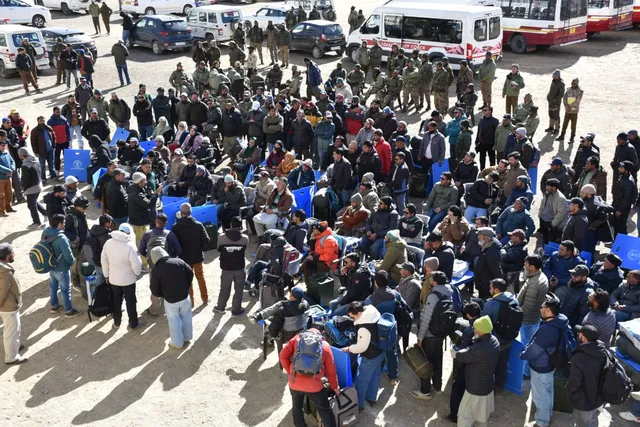



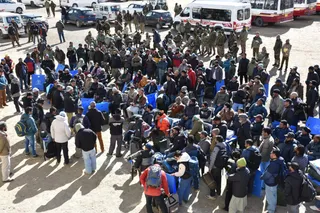
KARGIL: To commemorate the anniversary of Hazrat Imam Ali’s martyrdom, a mourning procession under the banner of Jamiyat Ullama Isna Ashriya Kargil (JUIAK) Ladakh was taken from the campus of Hozia Ilmiya Kargil Thursday.
Thousands of people participated in the procession. The mourners in black-clads, beating their chest and reciting lamentations remembered the greatest martyrdom of Hazrat Imam Ali (AS).
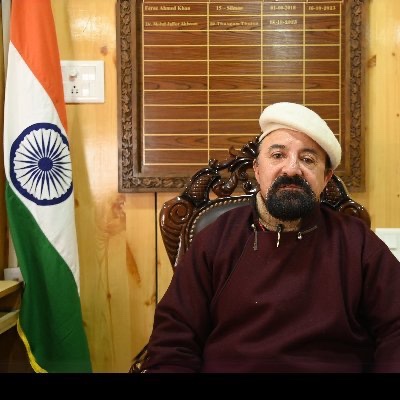
The main sermon was delivered by Sheikh Nazir Mehdi Mohammadi, President JUIAK Ladakh, who highlighted the noble character of Ameerul Momineen Ali Ibn Abi Talib (AS) and urged upon the people to follow the path shown by Hazrat Imam Ali for a better life and true value of Islam.
On this sorrowful and sad occasion on the tragic 21st of Ramadan, the martyrdom of the most perfect and meritorious person after the almighty’s last and greatest messenger to mankind, Prophet Muhammad (SAW), he expressed his condolences to the muslim ummah.
Referring to his administrative skill which is still remembered by the world he urged upon people to follow his path to ensure peace and equality in the society.
The programme concluded with prayers for peace and harmony in the world in general and in the country in particular.
Meanwhile the General Secretary JUIAK Ladakh, Sheikh Ibrahim Khalili thanked the administration for making all arrangements for the smooth conduct of the Processions and during the holy month of Ramadhan.
He thanked health department, Ladakh police, municipal committee Kargil, different organizations who volunteered during the processions.
Imam Ali was struck in the head with a poisonous sword by Ibn Muljam while he was saying his prayers in the great mosque of Kufa, which is located in Iraq now, on the 19th of Ramadan 40 AH (27 January AD 661). He passed away two days later. Imam Ali, Prophet Muhammad’s son-in-law and cousin, is highly respected for his courage, knowledge and deep loyalty to the Prophet as well as for administering justice.
The night before his demise is believed to be one of the three holy nights known as the Laylat al-Qadrs (the Nights of Destiny), which represent an unparalleled opportunity for Muslims to dedicate much of their time in praying.
The Night of Destiny is believed to be the night when the first verses of the Holy Quran were revealed to Prophet Muhammad (PBUH) more than 14 centuries ago. It is also thought to be the night when the blessings and mercy of God are abundant, sins are forgiven, supplications are accepted, and God decides the fate of people for the coming year.
Throughout the Night of Destiny, Muslims recite the holy Quran, hold vigils until dawn, and pray.