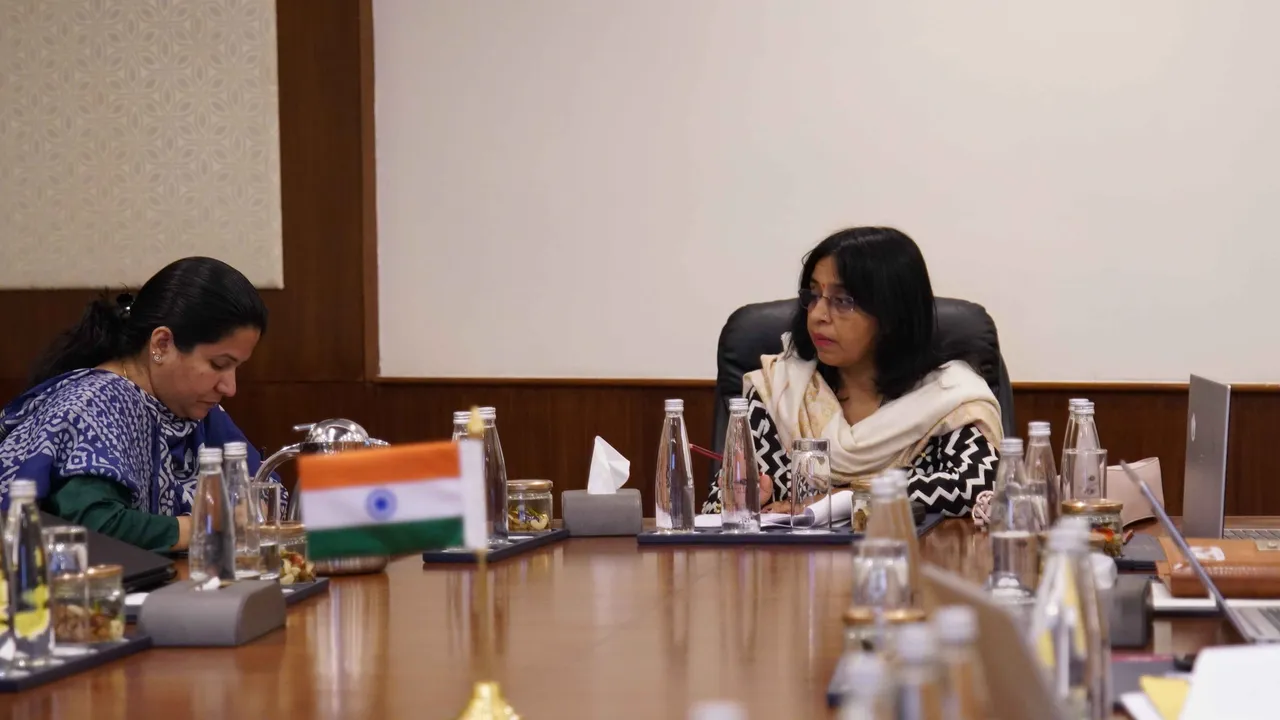
Leh: Meera Srivastava, Joint Secretary (Reproductive and Child Health) at the Ministry of Health and Family Welfare, Government of India, concluded a two-day visit to the Union Territory of Ladakh from July 13 to 15, aimed at reviewing the implementation of key national health programmes in the region.
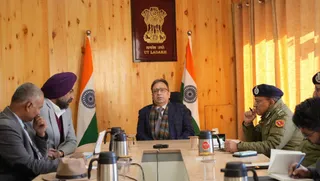
Over the course of her visit, Srivastava chaired a series of high-level meetings with senior health officials including the Mission Director of NHM Ladakh, Bhanu Prabha, the Director of Health Services, Chief Medical Officers from both Leh and Kargil, along with nodal officers for immunization, RCH, non-communicable diseases, and other district-level programme management teams.
The discussions placed particular emphasis on priority health initiatives such as the elimination of measles and rubella, routine immunization, reproductive and child health, and the National Tuberculosis Elimination Programme (NTEP) under the TB Mukt Bharat Abhiyan.
In a comprehensive review of the TB elimination efforts in Ladakh, Srivastava outlined several directives to strengthen the programme’s outreach and effectiveness. She called for intensified screening efforts among high-risk and vulnerable groups, especially in densely populated or workplace settings, to ensure early detection. Detailed micro-planning was stressed, with special attention to specimen transportation logistics, access to NAAT (nucleic acid amplification test) services, and the availability of X-ray facilities at health centres.
To widen public engagement, she emphasized the need for strengthened IEC (Information, Education and Communication) activities, calling for the involvement of non-health departments to enhance awareness across communities. She also directed that regular monitoring and supervision be ensured through structured reports from Chief Medical Officers, District Tuberculosis Officers, and Block Medical Officers. Strengthening contact tracing systems, especially for newly detected TB cases, was also identified as a crucial step toward breaking chains of transmission.
In addition to the review meetings, Srivastava visited several health facilities to assess field-level implementation. Her itinerary included visits to the Ayushman Arogya Mandirs at Phyang and Choglamsar, and the Primary Health Centre at Thiksey. She interacted directly with frontline health workers and staff, acknowledging their dedication and innovative approaches to delivering healthcare in remote areas.
At SNM Hospital in Leh, she met with doctors and hospital staff and praised their continued service and commitment, especially in the face of challenging terrain and limited infrastructure.
The visit concluded on a positive note, with renewed assurance of close collaboration between the Ministry of Health and Family Welfare and the UT administration. The focus remains on scaling up health services and ensuring measurable improvements in the overall health indicators of Ladakh’s population.