

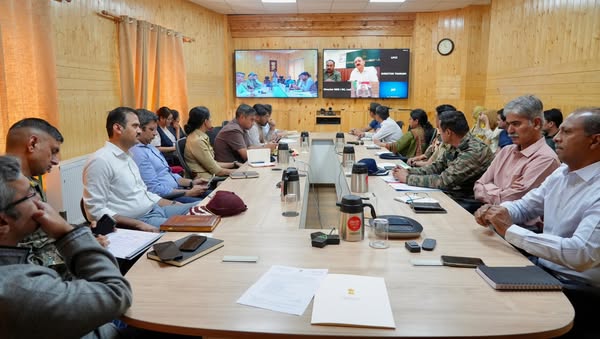
Leh: In a decisive step towards protecting Ladakh’s lifeline, the Indus River, Chief Secretary Dr. Pawan Kotwal, alongside CEC LAHDC Leh Adv. Tashi Gyalson, chaired a high-level meeting to kickstart a comprehensive clean-up campaign along the stretch from Upshi to Phey.
The initiative follows a proposal by the CEC and focuses on a “Zero Tolerance Against Pollution” approach. Dr. Kotwal emphasized that the campaign must go beyond symbolism and bring lasting behavioural change. He called for the active involvement of civilians, tourists, defense personnel, and local communities in preserving the sacred river.
Key directives included restricting the use of small plastic water bottles in favor of 2-litre options, preparing awareness materials, and involving religious leaders to spread the message. He also stressed the need for a strong legal framework to penalize polluters and urged paramilitary and defense forces to maintain cleanliness along river-adjacent areas under their jurisdiction.
Officials were directed to assess treatment plants, hospital waste systems, and waste disposal practices by defense units to prevent further ecological damage. The administration assured full support, including the provision of equipment and machinery, for enforcement.
Deputy Commissioner Leh, Romil Singh Donk, outlined the two-week campaign, which extends to tributaries like the Zanskar, Singhey Lalok, and Sham Valley streams. Community-level participation will be ensured through coordination with village heads and Nambardars.
CEC Tashi Gyalson highlighted the spiritual importance of the Indus, referencing past appeals by His Holiness the 14th Dalai Lama and other spiritual leaders. He raised urgent concerns, including waste dumping in Choglamsar and open defecation at road project sites, and called for strict action and improved waste facilities. He also proposed engaging local entrepreneurs for plastic recycling and enforcing penalties on violators, including wholesalers.
As a significant public initiative, August 12 will be observed as a district-wide Safai Andolan, involving every school and village in a unified environmental effort.
The Deputy Chairman also flagged irresponsible practices by some BRO contractors and called for immediate clean-up of construction debris and labor camp waste.
The meeting saw participation from top UT officials, defense representatives, environmental groups, and civil society stakeholders—marking a united front in preserving the Indus River’s health and sanctity.
