Leh : In a deeply spiritual and culturally uplifting event, His Holiness the 14th Dalai Lama arrived in Leh, Ladakh on Saturday, flying directly from Dharamshala for a month-long visit.
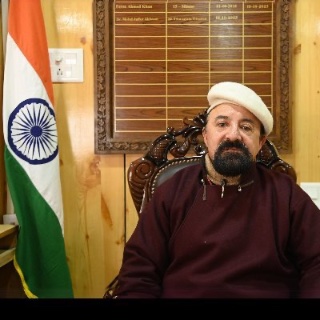
His arrival was met with a grand and heartfelt welcome at the airport by a distinguished gathering including Thiksey Rinpoché, Thuksey Rinpoché, Chief Executive Councillor of LAHDC Leh Tashi Gyalson, Ladakh Buddhist Association President Dawa Tashi, Ladakh Gonpa Association President Ven Dorjé Stanzin, as well as representatives of the Muslim and Christian communities, and senior government and police officials.
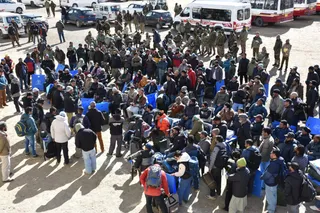
Following the reception, His Holiness began a nine-kilometre journey to Shewatsel Phodrang. Along the route, thousands lined the roads—Ladakhis, Tibetans, and visitors from elsewhere—waving khataks (silk scarves), flowers, and incense sticks.
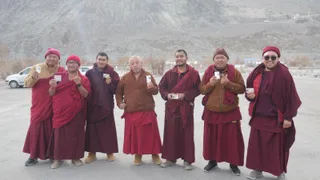
Traditional dancers and monk musicians led the procession with drums, cymbals, and horns. Amid chants, songs, and even tears of joy, students from Muslim schools also joined in welcoming His Holiness, highlighting the communal harmony of the region.
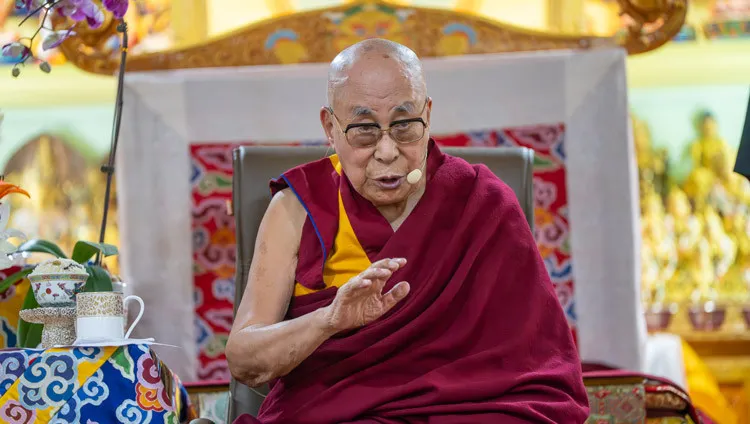
At Shewatsel, monks and nuns greeted him with chants and ceremonial music. As he entered the hall, full with both monastic and lay audiences, His Holiness wasted no time in addressing the gathering.
A Call to Preserve Knowledge and Counter Negative Emotions
Emphasizing the depth and value of Tibetan Buddhism, His Holiness said “Tibetan culture, rooted in the Nalanda tradition, holds immense value even in the eyes of modern scientists. Tibetan spiritual traditions are not just rituals—they offer real, practical tools for transforming the mind.”
He explained that real Dharma practice lies not in rituals, but in cultivating a calm and compassionate mind by weakening destructive emotions like anger and attachment.
“Every morning, I reflect on bodhichitta and emptiness. This practice helps me avoid harmful emotions and interact with others more positively.”
He urged the people of the trans-Himalayan belt to study Buddhism deeply—not just through faith, but through philosophical texts and rigorous debate:
“Sitting on a high throne and acting holy is a mistake. Real learning happens when we engage in honest debate and dialogue.”
His Holiness recounted how the 1959 Chinese crackdown forced him to flee Tibet and how, since then, India has played a pivotal role in allowing Tibetan traditions to survive:
“Tibet’s precious learning centres were destroyed. But in India, we’ve revived them. Now, it’s up to us—and especially people from Himalayan regions—to preserve and protect this wisdom.”
Recalling his youth, he spoke fondly of debating with Geshés from various monastic universities in Lhasa and underlined how those experiences shaped his understanding of reality.
“In China, there is no freedom to teach Buddhism openly. But in India, and in the Himalayan belt, we can nurture this spiritual heritage freely.”
In conclusion, His Holiness reminded the audience that those who share Tibet’s culture and language—especially in the Himalayan region—carry the torch for future generations:
“We must continue to learn, debate, and live our traditions. I’ve done my best to restore our bonds. The rest is up to you.”
With that, His Holiness retired to his quarters at Shewatsel, leaving behind a message that was both a gentle reminder and a powerful call to action.