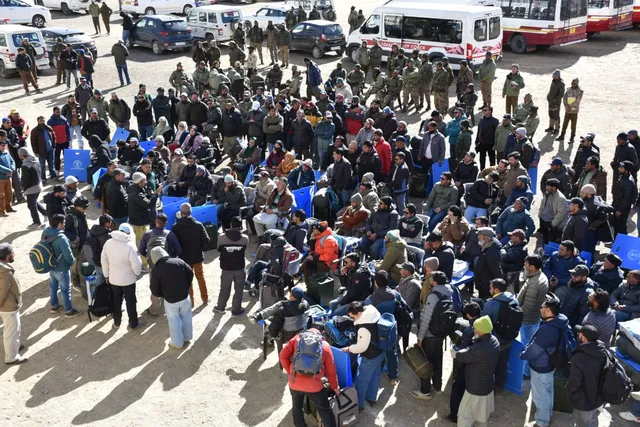
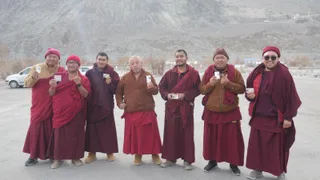
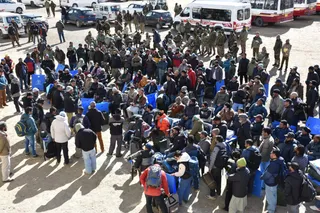
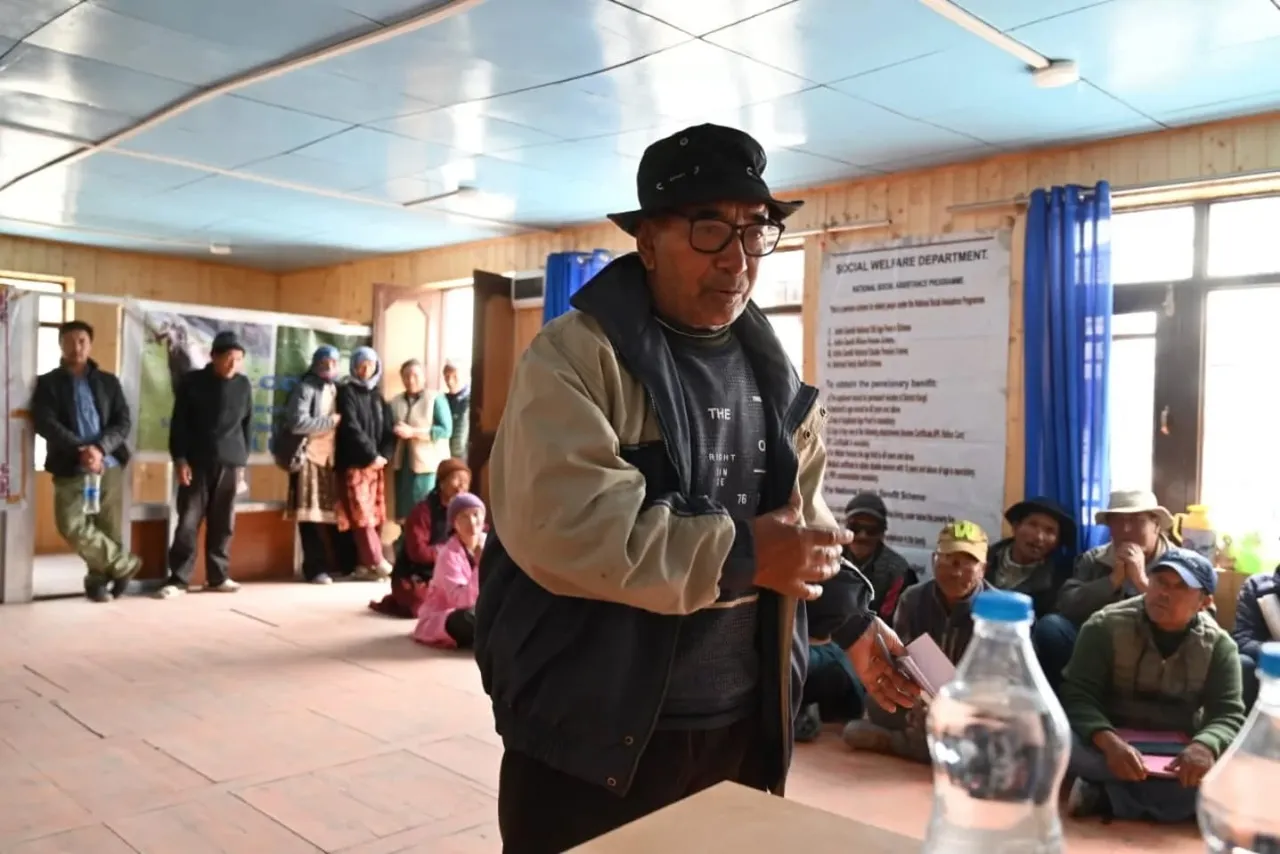
Kargil: As part of the ongoing Dharti Aaba Jan Bhagidari Abhiyan, an integrated awareness and benefit saturation camp was successfully organized today in Phey village, located in the remote Zanskar region of Kargil district. The initiative aimed to bridge critical service delivery gaps in healthcare, education, financial inclusion, and livelihoods, with a special focus on empowering tribal communities.
The Dharti Aaba Abhiyan, a flagship campaign of the Government of India, is committed to ensuring last-mile delivery of welfare schemes and essential services to underserved and tribal populations. The camp at Phey exemplified this mission by bringing together multiple departments and services under one roof.
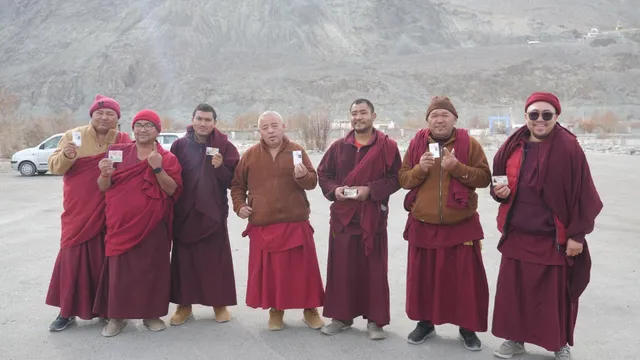
Residents of Phey and nearby areas were provided with a wide range of services during the camp. These included the issuance of vital identity documents such as Aadhaar cards, ration cards, caste and domicile certificates, as well as access to Ayushman Bharat (PM-JAY) health cards, immunization drives, and general medical assistance.
The camp also focused on financial inclusion, with the opening of Jan Dhan accounts, distribution of Kisan Credit Cards (KCC), and enrolment under the PM-KISAN scheme. Beneficiaries were also registered under social security schemes like the Pradhan Mantri Jeevan Jyoti Bima Yojana (PMJJBY) and Pradhan Mantri Suraksha Bima Yojana (PMSBY). Pensions for senior citizens, widows, and persons with disabilities were also disbursed.
To support the region’s agrarian and pastoral economy, veterinary services were made available through dedicated camps to ensure livestock health and promote rural livelihoods.
Officials noted that the primary objective of the camp was to promote holistic and sustainable development in tribal regions by ensuring timely and transparent access to government benefits. They expressed optimism that such targeted initiatives would empower tribal communities and improve their socio-economic well-being.
The event witnessed enthusiastic participation from local residents and was seen as a positive step toward inclusive governance and tribal empowerment in one of Ladakh’s most remote regions.