



The recent catastrophic flooding in Nepal has ignited fierce criticism of China, particularly regarding its failure to share crucial data about glacial lakes in Tibet. As Nepal grapples with over 200 fatalities and extensive infrastructure damage, officials have accused China of withholding vital information that could aid in disaster preparedness.
This lack of transparency not only jeopardizes immediate disaster response but also raises broader concerns about regional cooperation amid escalating climate risks. The situation underscores the urgent need for accountability and collaboration between neighboring nations to safeguard vulnerable communities from future calamities.
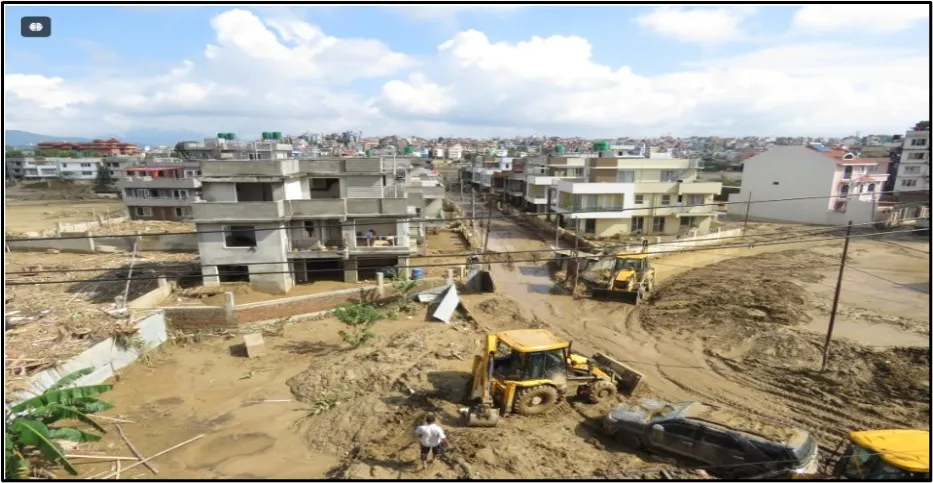
According to the Diplomat, in early October 2024, Nepal experienced devastating floods and landslides, resulting in over 200 fatalities and extensive damage to infrastructure. The Kathmandu Valley was particularly affected, with reports indicating that more than 224 individuals had died as of October 2, and many more were injured or missing.
The extreme weather conditions were exacerbated by climate change, which has led to the rapid melting of glaciers in the Himalayas, increasing the risk of Glacial Lake Outburst Floods (GLOFs) that threaten downstream communities.
According to the website Climate News, Nepal’s Department of Hydrology and Meteorology has accused China of withholding vital data regarding glacial lakes situated under its control in Tibet. Officials claim that this lack of transparency has hindered Nepal’s ability to prepare for and respond to potential flooding disasters.
Jagadishwor Karmacharya, head of the department, emphasized the importance of obtaining this information to mitigate flood risks effectively. He noted that despite repeated requests over several years, China has failed to deliver promised data during bilateral meetings.
The consequences of China’s data withholding extend beyond immediate disaster response. The Tibetan plateau is often referred to as Asia’s “water tower,” supplying major rivers that support nearly two billion people downstream.
The potential bursting of glacial lakes due to climate change could lead to catastrophic flooding, as evidenced by past incidents where lakes in Tibet have overflowed, causing destruction in Nepal. Experts warn that without collaborative efforts among China, Nepal, and India, the risks associated with these glacial lakes will continue to escalate.
According to the Tibetan Review, On 04 Oct 2024, China launched a humanitarian aid initiative for flood victims in Nepal, distributing relief materials through various political parties rather than directly to the government.
This approach has raised concerns among local leaders, who argue that it sets a troubling precedent for foreign political parties to provide aid directly to local entities. A ruling party leader expressed discomfort, advocating for adherence to a transparent government policy for such donations.
Former vice-chair of the National Planning Commission, Govind Raj Pokharel, emphasized the need for discussions on proper protocols for accepting foreign support during crises to ensure effective governance and disaster response.
Critics have voiced concerns that allowing foreign political parties to engage directly with local political entities could lead to undue influence and complicate Nepal’s domestic politics. Vijay Kant Karna, a former ambassador, described this practice as dangerous and unprecedented in Nepal’s history. The potential for foreign entities to leverage humanitarian aid for political gain poses significant risks for national sovereignty and governance.
The flooding disaster serves as a stark reminder of Nepal’s vulnerability to climate change. As glaciers continue to melt at an alarming rate accelerated by rising temperatures the risks associated with GLOFs are expected to increase significantly.
A recent study published in Nature Geoscience warned that without effective hazard mitigation measures, expanding glacial lakes could inundate critical infrastructure across the region. The ongoing environmental degradation in Tibet due to mining and dam construction further complicates these issues. Observers have noted that China’s aggressive resource extraction policies threaten not only local ecosystems but also water security for millions downstream.
China’s approach to foreign aid increasingly involves directly funding projects in foreign countries, bypassing traditional multilateral organizations. This strategy enables China to exert greater control over development initiatives and strengthen diplomatic ties.
However, critics express concerns about China’s expanding influence and potential exploitation of recipient nations. As China’s organization level of foreign aid evolves, it faces scrutiny for prioritizing geopolitical interests over genuine development support, raising fears of a new form of neo-colonialism in the global landscape.
The interplay between climate change and geopolitical dynamics necessitates transparent communication and cooperation, especially between neighbouring countries like China and Nepal. As both nations face environmental changes and humanitarian crises, establishing effective protocols for data sharing and aid distribution is crucial for mitigating future disasters.
This situation underscores immediate challenges from natural disasters and broader implications for regional stability and governance amid climate uncertainty. Nepal must balance urgent humanitarian needs with long-term strategies for sustainable development and disaster resilience.