Close Menu
Indus Dispatch
  • Home
  • Top Stories
  • Editorial
  • Ladakh Stories
  • Essential Ladakh
  • Forgotten Geography
What's Hot

LG  Saxena Announces 275% Hike in Artisan Trainee Stipend, Nearly 1,000 Youth to Benefit

September 7, 2026

Kargil Tops Men, Leh Dominates Women as UT-Level Athletics Meet Concludes

September 7, 2026

Culture, Youth Power Take Centre Stage as Two-Day Drass Festival Ends on a High Note

September 7, 2026
Facebook X (Twitter) Instagram
Indus Dispatch
Monday, September 7
Facebook X (Twitter) Instagram YouTube
  • Home
  • Top Stories

    LG  Saxena Announces 275% Hike in Artisan Trainee Stipend, Nearly 1,000 Youth to Benefit

    September 7, 2026

    Ladakh Showcases Horticulture Potential as 250+ Farmers Join Grand Kisan Mela in Leh

    September 7, 2026

    Tawang and Joshimath: India and China Build New Guardrails on a Contested Border

    September 3, 2026

    LG Saxena Approves 7 LAHDCs, Paving Way for Local Elections

    September 3, 2026

    LG Saxena pushes Hunderman as Ladakh’s next border tourism hotspot

    September 3, 2026
  • Editorial

    The General Who Commanded Doklam and Galwan, Now Erased

    September 3, 2026

    Ladakh at a Turning Point: From Administrative Reform to Democratic Renewal

    August 20, 2026

    Ladakh’s Democratic Transformation: A Hill Council for Every District

    July 13, 2026

    Kucha: India’s Civilisational Bridge Across the Taklamakan

    June 20, 2026

    Agni Desa and India’s Old Road to Central Asia

    June 12, 2026
  • Ladakh Stories

    Kargil Tops Men, Leh Dominates Women as UT-Level Athletics Meet Concludes

    September 7, 2026

    Culture, Youth Power Take Centre Stage as Two-Day Drass Festival Ends on a High Note

    September 7, 2026

    Culture, Youth Power Take Centre Stage as Two-Day Drass Festival Ends on a High Note

    September 7, 2026

    DSHO Reviews Sheep Husbandry Services Across Nyoma, Engages Nomadic Herders on Ground Issues

    September 7, 2026

    25 Years of Seva Sankalp Abhiyan Celebrated in Leh

    September 4, 2026
  • Essential Ladakh

    Alchi Monastery: A Treasure of Ancient Art in Ladakh

    April 4, 2026

    Lamayuru Monastery: Exploring the Moonland of Ladakh

    April 4, 2026

    Diskit Monastery: Spiritual Majesty Amidst Nubra’s Sand Dunes

    April 4, 2026

    Hemis Monastery: The Grand Heart of Ladakhi Culture

    April 4, 2026

    Thiksey Monastery: Ladakh’s Mini Potala with Spiritual Grandeur

    April 4, 2026
  • Forgotten Geography
Indus Dispatch
Home»Ladakh Stories»Chief Secretary Pushes Cooperative Revolution in Ladakh’s Pashmina Sector
Ladakh Stories

Chief Secretary Pushes Cooperative Revolution in Ladakh’s Pashmina Sector

The Dispatch StaffBy The Dispatch StaffJune 18, 2026No Comments3 Mins Read
Facebook Twitter Pinterest LinkedIn Tumblr Email
Share
Facebook Twitter LinkedIn Pinterest Email

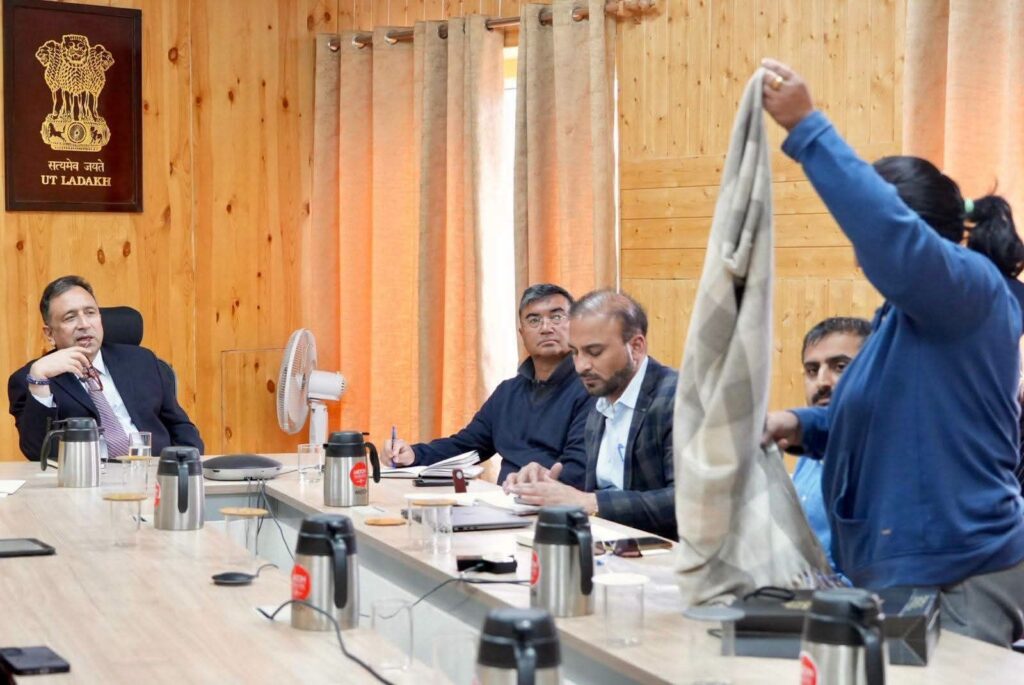
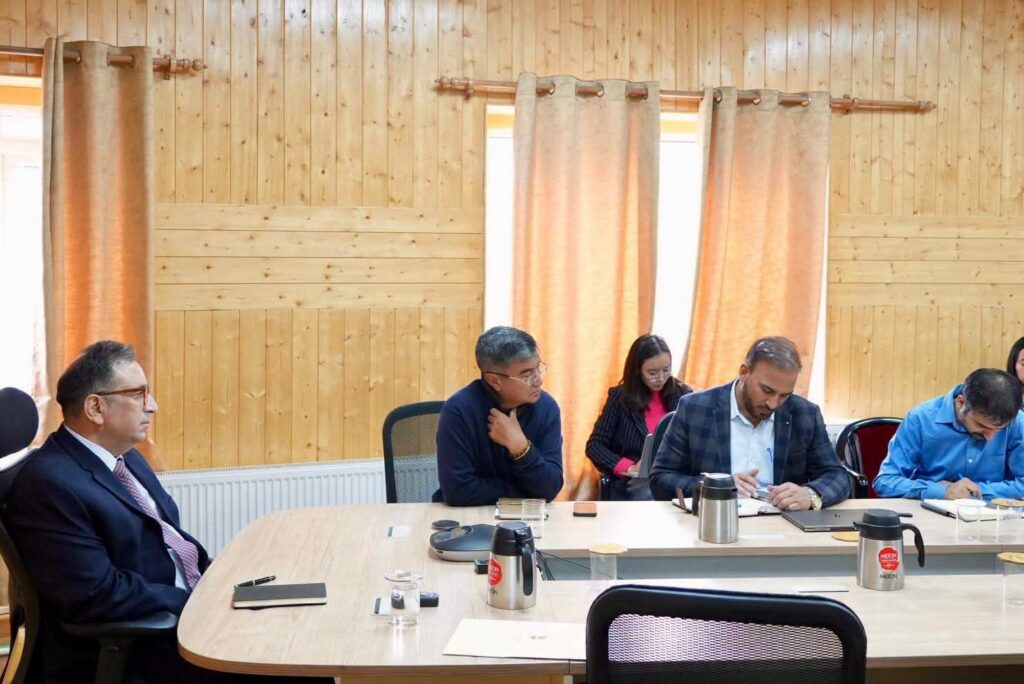
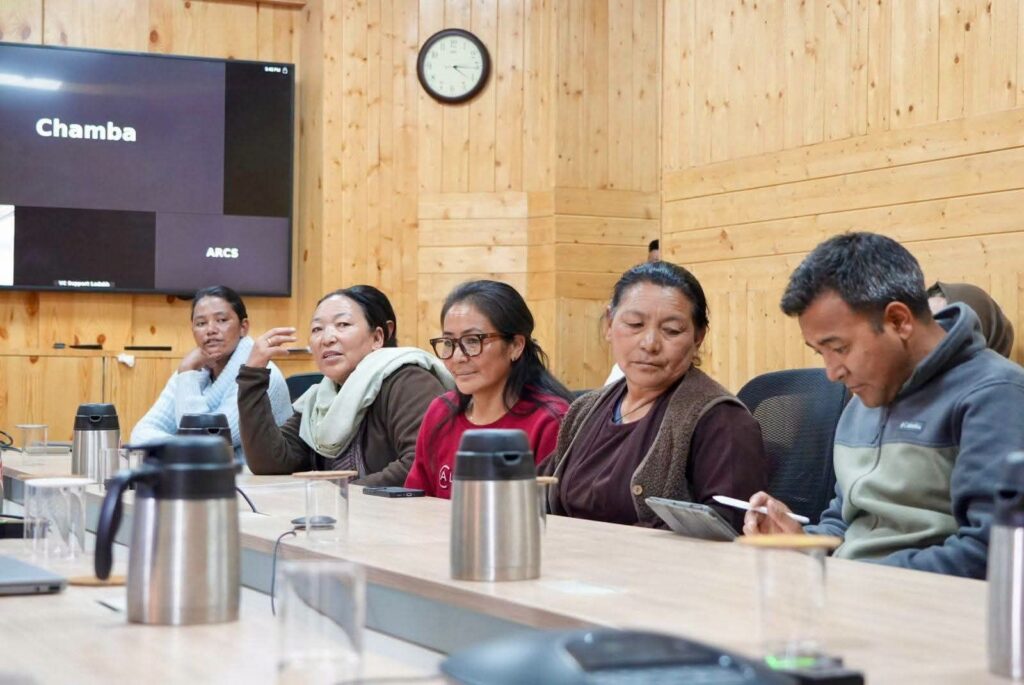
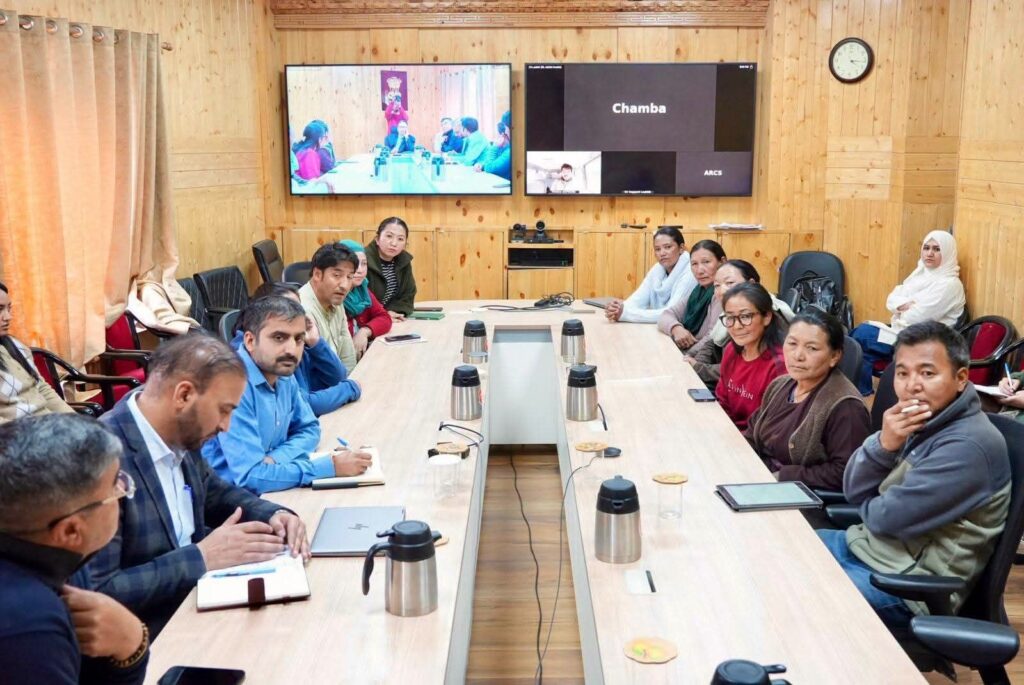
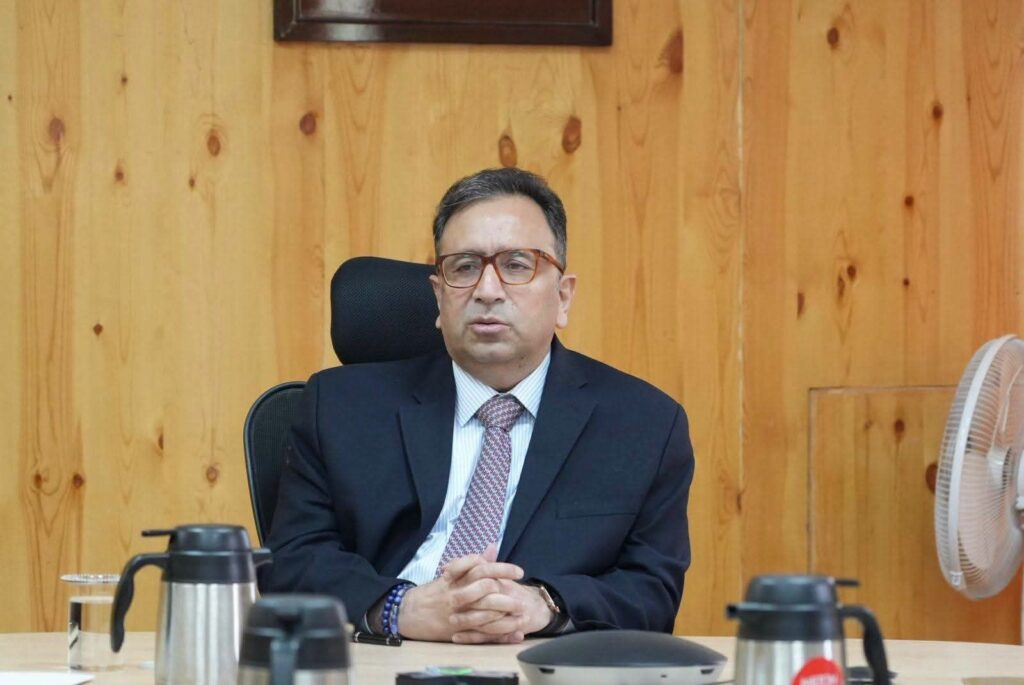
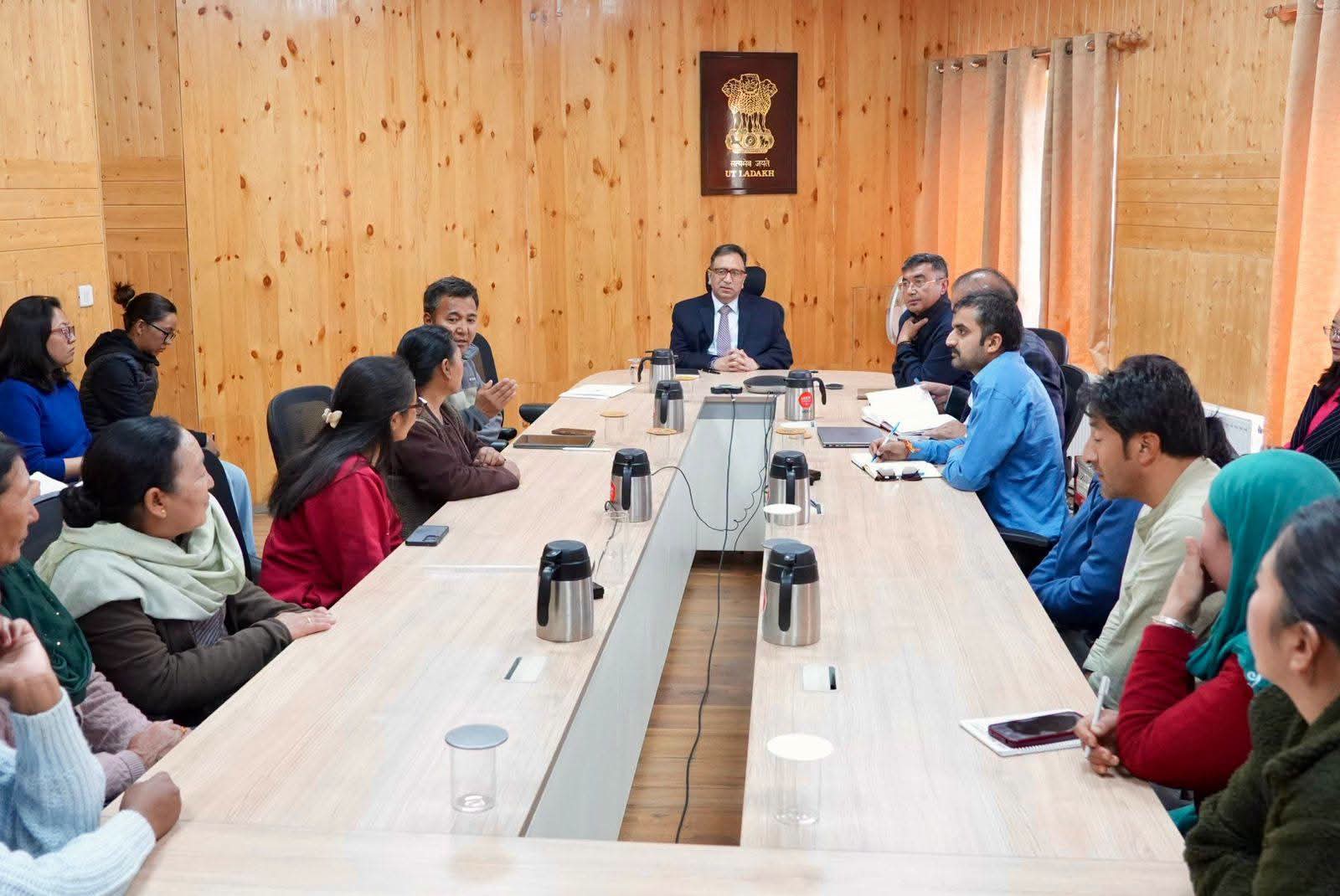
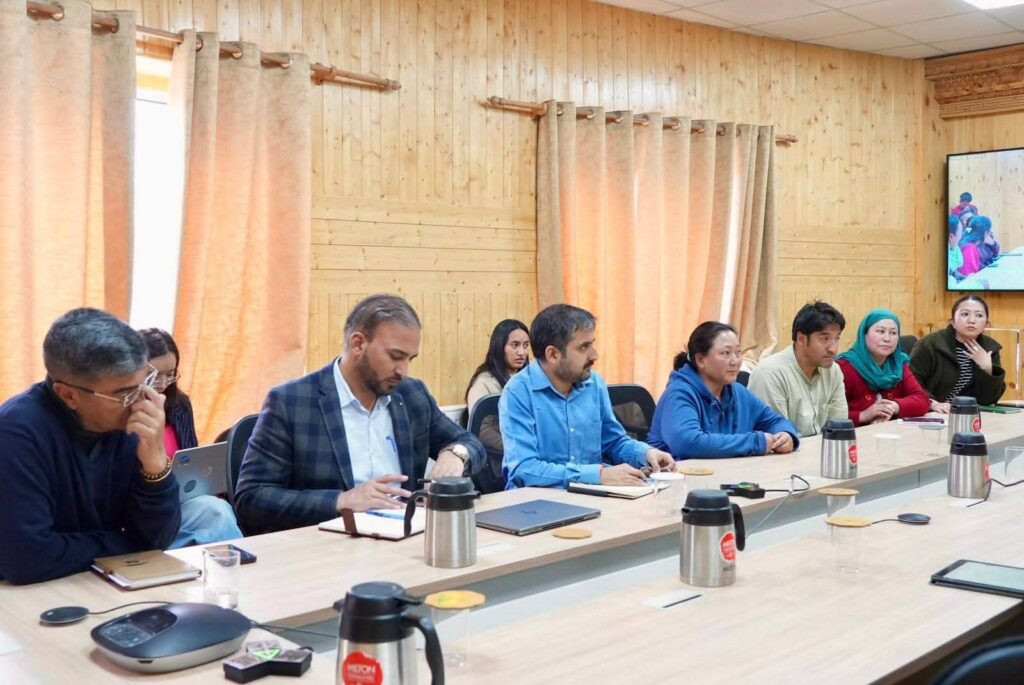
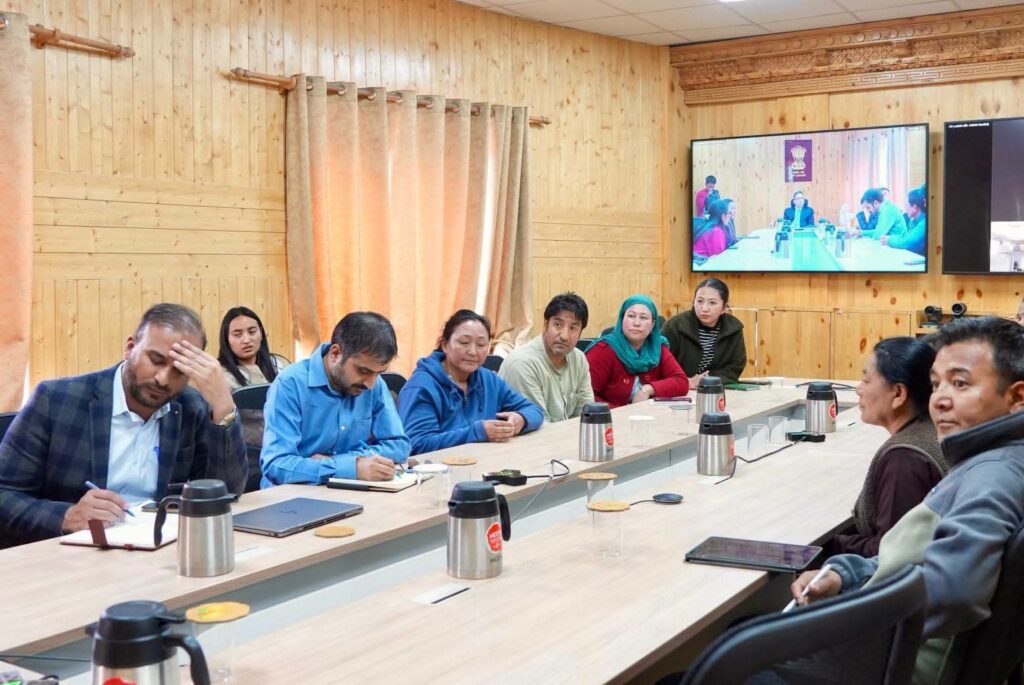
Leh, June 17: Chief Secretary of the Union Territory of Ladakh, Ashish Kundra, on Wednesday chaired a comprehensive review meeting with Pashmina artisans, weavers, entrepreneurs, cooperative members and representatives of artisan organizations from Leh, Kargil, Zanskar and other Pashmina-producing regions, focusing on the future growth and sustainability of Ladakh’s prized Pashmina sector.

The meeting brought together stakeholders from across the value chain, including artisan groups, cooperative societies, self-help groups and entrepreneur-led ventures, who shared their experiences, production capacities, challenges and suggestions for strengthening the industry.

During the interaction, artisans highlighted several issues affecting production and productivity, including the labour-intensive warping process, limited access to modern machinery, outdated looms, and the need for advanced technical training and capacity-building programmes.

Participants also stressed the importance of increasing awareness among the Changpa community, the primary producers of raw Pashmina, while advocating for stronger support mechanisms across the production and marketing chain.

Chief Secretary Ashish Kundra held detailed discussions with stakeholders on their training backgrounds, annual production volumes, pricing structures, market linkages, sales patterns and inventory management. He also reviewed the functioning of existing training centres and evaluated the effectiveness of current skill-development initiatives.

Emphasizing the need for systematic skill enhancement, Kundra underscored the importance of strengthening technical expertise within the weaving community. He reviewed the status of weaving instructors in the Handloom Department and stressed that improved skills and modern techniques are essential for enhancing productivity, quality and competitiveness.

Observing that a significant number of artisans continue to work independently, the Chief Secretary advocated a cooperative-based development model to facilitate collective growth and improve market access.

He proposed the establishment of Common Facility Centres (CFCs) and cluster-based cooperative models in major weaving hubs such as Phyang and other artisan-dominated areas. These centres, he said, would provide shared access to machinery, processing facilities, design support, quality control systems and marketing platforms.

Kundra noted that critical activities including weaving, finishing, pressing, product design, skill development and quality assurance could be carried out more efficiently through shared infrastructure. Such cooperative-led clusters, he added, would help artisans reduce costs, improve standardization, strengthen branding and increase their bargaining power in national and international markets.

To accelerate sectoral growth, the Chief Secretary proposed the development of three strategically located cluster-based Common Facility Centres across Ladakh. These hubs would serve as centres for production, training, innovation, value addition and women-led artisan empowerment initiatives.

Highlighting the cultural and economic significance of Pashmina, Kundra said that cooperative-driven development and cluster-based growth models are vital for preserving Ladakh’s traditional weaving heritage while making the sector more competitive and economically sustainable.

He urged all stakeholders to work collectively towards building a robust ecosystem that supports artisans, promotes high-quality production and further strengthens the global reputation of Ladakhi Pashmina.

The meeting was attended by Shri Moses Kunzang, Consultant functioning as Officer on Special Duty (OSD) for Special Projects, the Additional Secretary, Cooperative Department, the Deputy Registrar Cooperative Societies, Leh, representatives of various Pashmina brands, self-help groups, artisan organizations and officials from the Handloom Department.
Share. Facebook Twitter Pinterest LinkedIn Tumblr Email
The Dispatch Staff

Related Posts

Kargil Tops Men, Leh Dominates Women as UT-Level Athletics Meet Concludes

September 7, 2026

Culture, Youth Power Take Centre Stage as Two-Day Drass Festival Ends on a High Note

September 7, 2026

Culture, Youth Power Take Centre Stage as Two-Day Drass Festival Ends on a High Note

September 7, 2026
Leave A Reply Cancel Reply

Top Posts

Chief Secretary confirms May 22 MHA talks with KDA, LAB to proceed as scheduled

May 20, 20262,416 Views

Anand Jain posted as DGP Ladakh

June 22, 20261,181 Views

Ex-LBA president writes to HM Shah, flags imbalance in Ladakh dialogue representation

November 10, 20251,068 Views

Thupstan Chhewang steps down as Leh Apex Body chairman; members accept resignation

May 4, 20261,037 Views
Stay In Touch
  • Facebook
  • Twitter
  • Instagram
  • YouTube
Facebook X (Twitter) Instagram YouTube
© 2026 Indus Dispatch. All Rights Reserved. | Powered by Ideogram Technology Solutions [P] Ltd..

Type above and press Enter to search. Press Esc to cancel.