

Chief Secretary Ashish Kundra Visits Chilling, Reviews Heritage Preservation and Development Concerns
Leh, June 6: Chief Secretary of the Union Territory of Ladakh, Ashish Kundra, on Saturday visited the historic village of Chilling in Leh district, where he reviewed issues related to cultural heritage preservation, traditional craftsmanship, infrastructure development and the welfare of local communities.
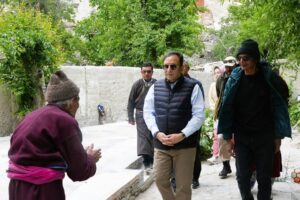
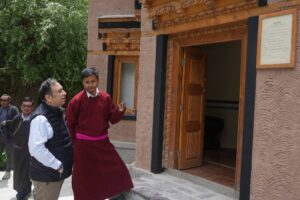
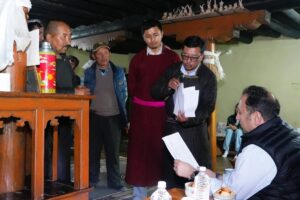
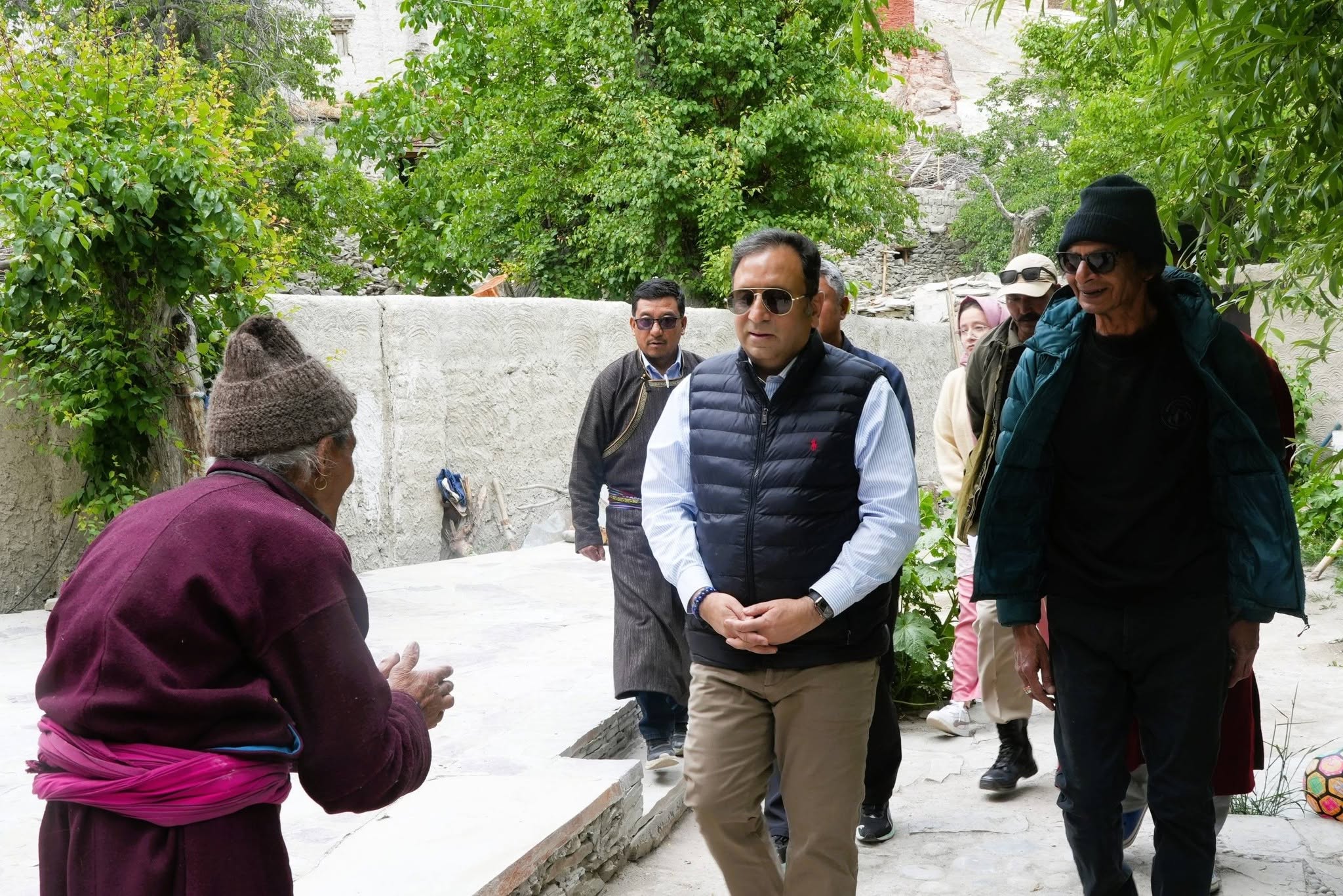
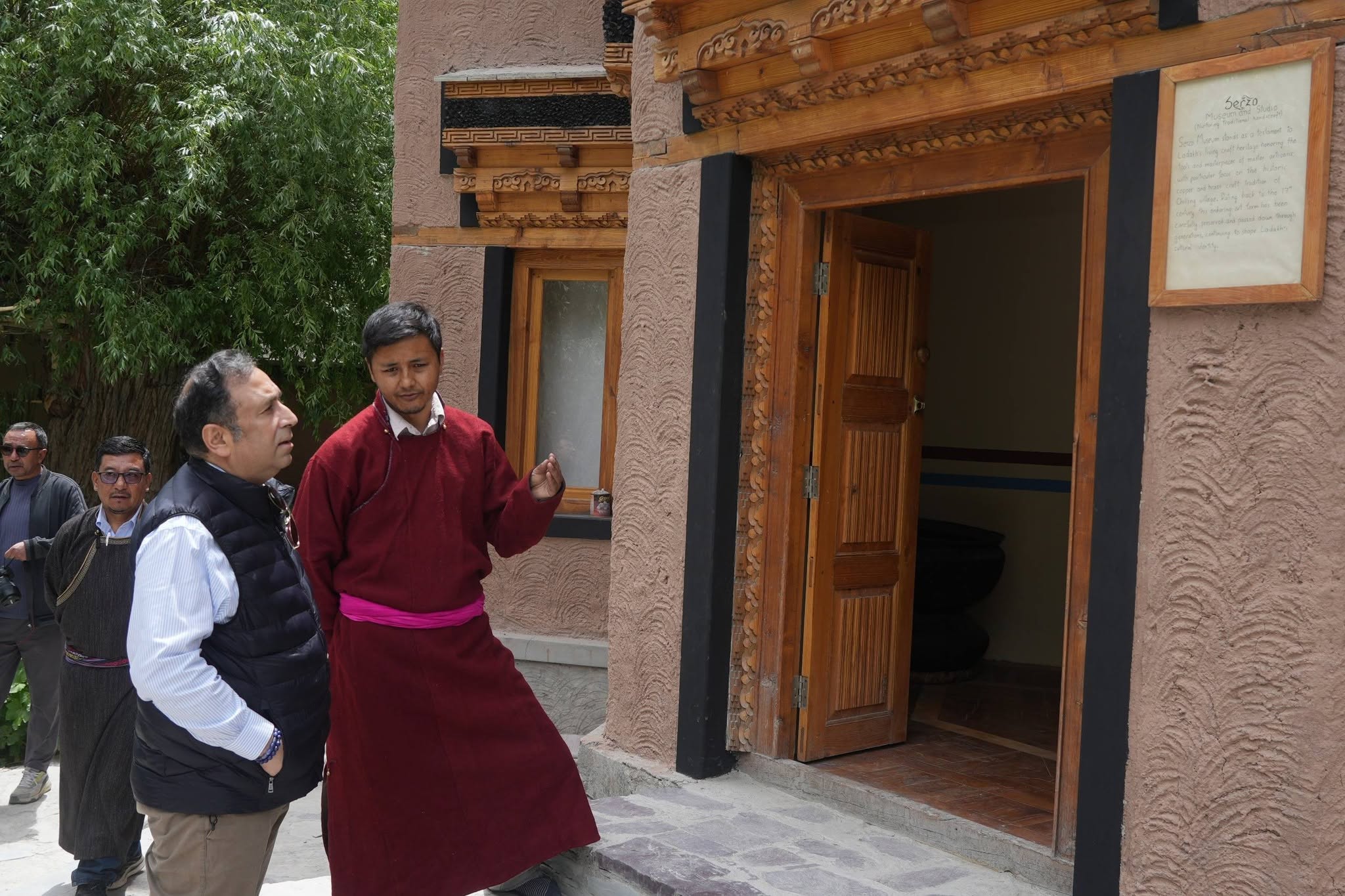
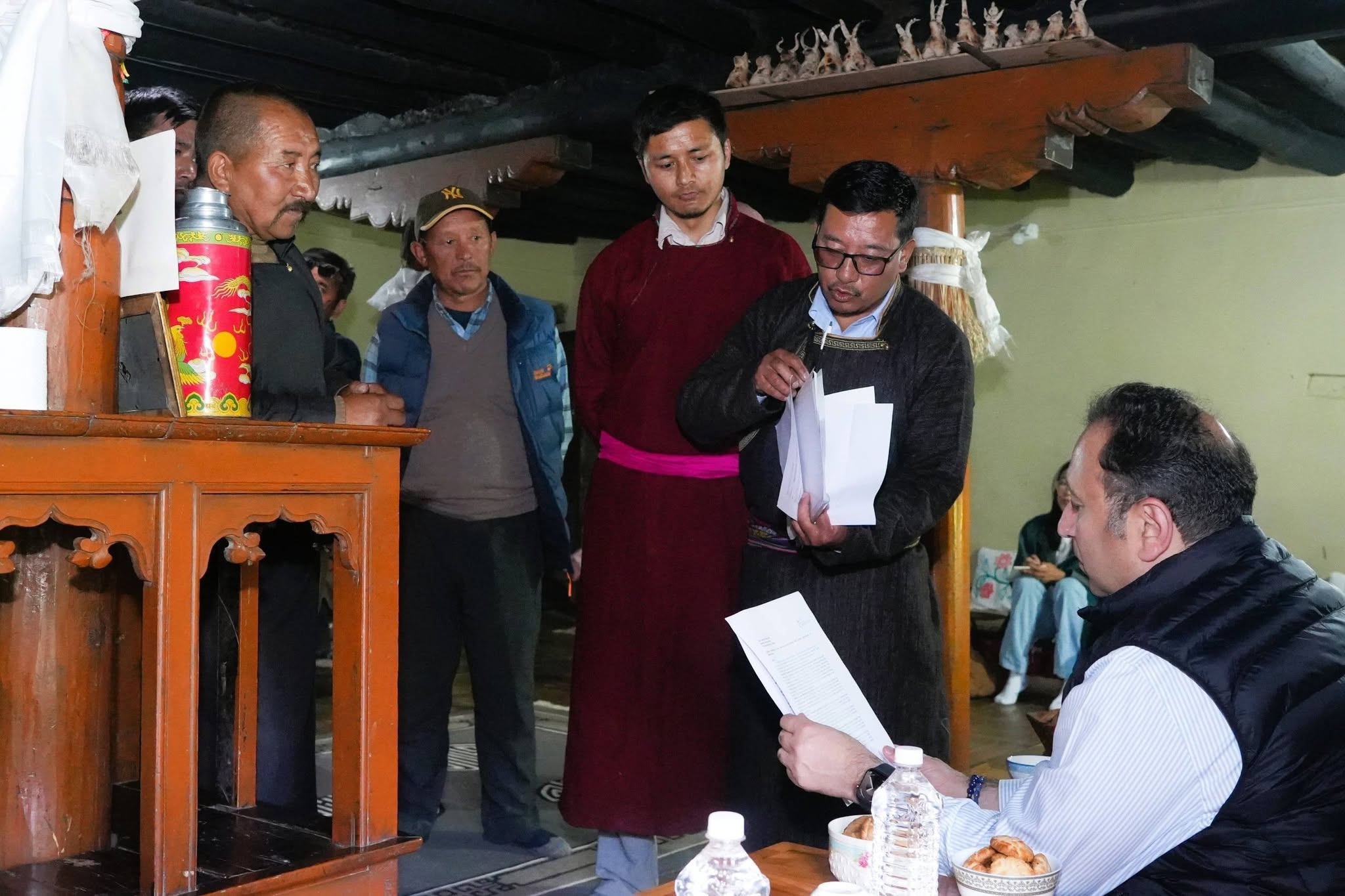
The Chief Secretary was accorded a traditional welcome by villagers at the Serzo Museum and later held extensive interactions with representatives from Chilling, Sumdo, Tsogsti, Skyu, Kaya and Sumda villages. During the meeting, local representatives highlighted a range of developmental concerns and emphasized the need to preserve and promote the region’s unique cultural identity.
The villagers underlined Chilling’s longstanding reputation as a centre of traditional copper craftsmanship and sought greater recognition for local artisans through awards, incentives, skill development initiatives and livelihood support programmes. They stressed the importance of safeguarding traditional artisan practices while creating sustainable economic opportunities for younger generations.
Representatives also raised concerns over developmental restrictions linked to the villages’ inclusion within the Hemis National Park area. They sought improved road connectivity, enhanced electrification, better infrastructure and the execution of various developmental projects to improve living conditions in the region.
Responding to the concerns, Ashish Kundra assured the villagers that the issues raised would be examined and taken up through appropriate channels. He also discussed matters relating to irrigation facilities, wheat and barley cultivation, pending developmental works and other issues affecting the welfare and progress of the villages.
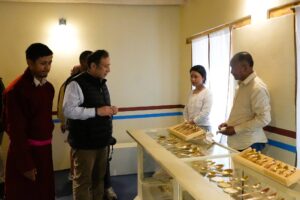
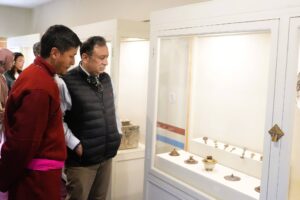
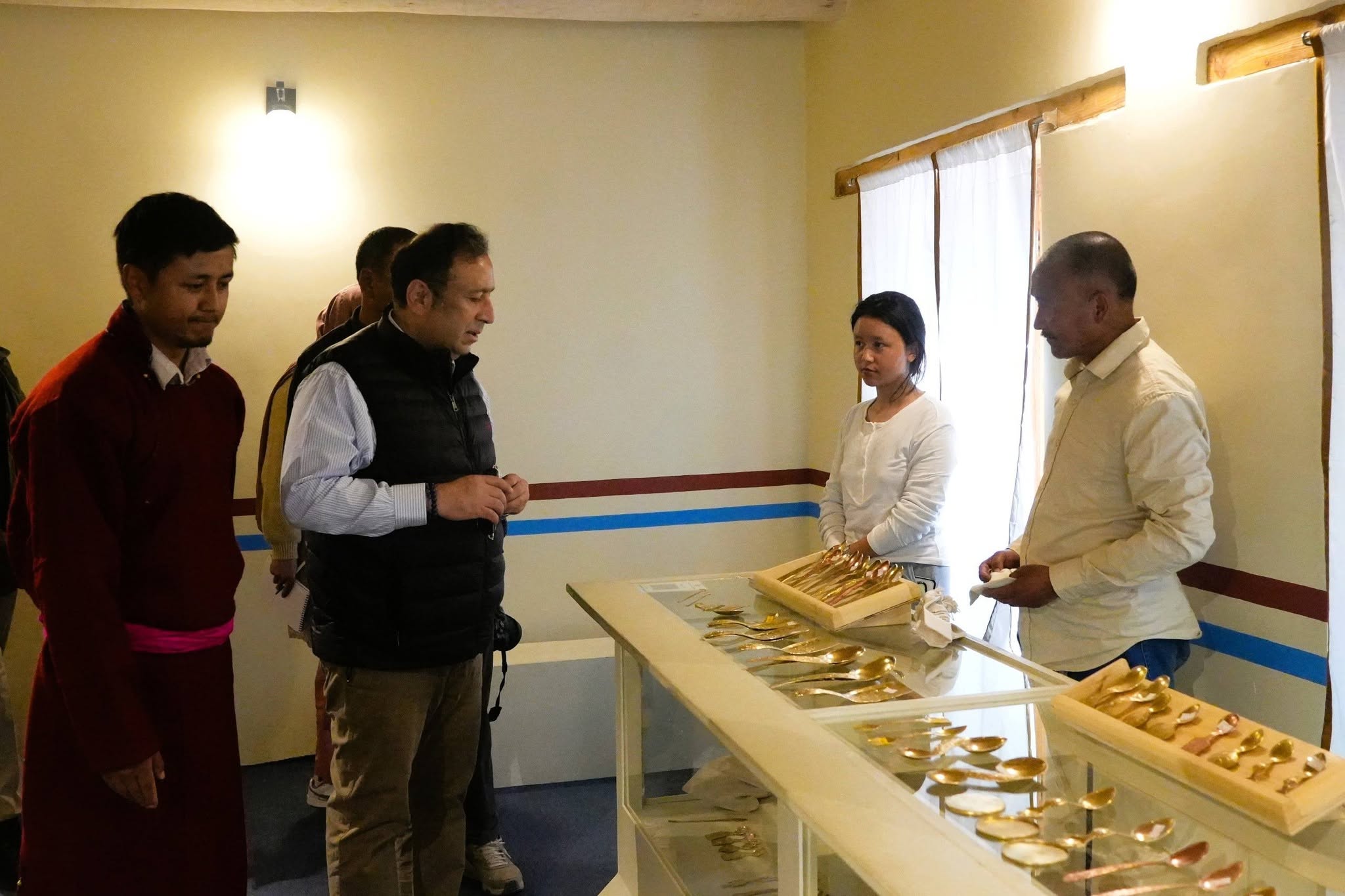
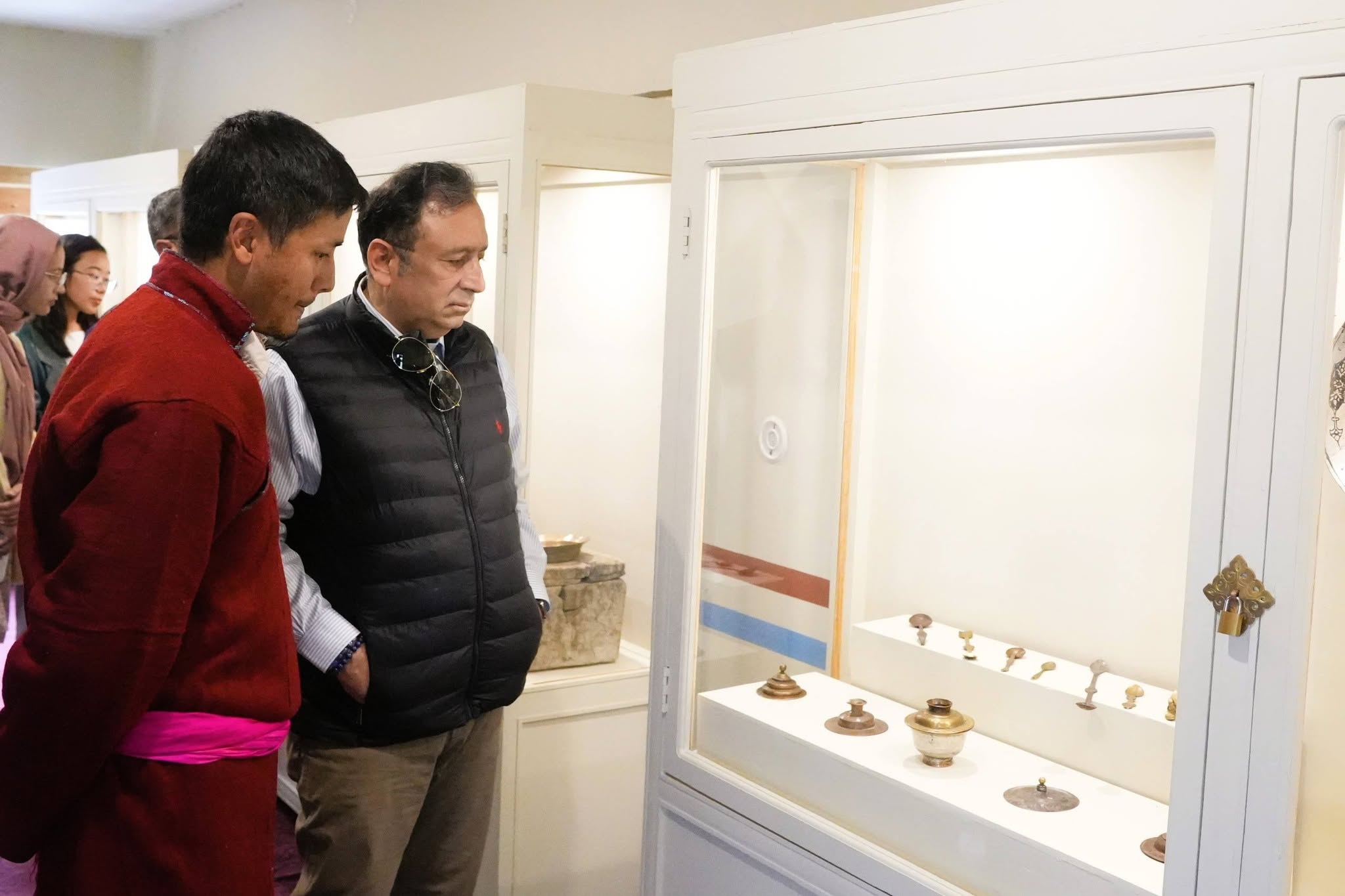
As part of the visit, the Chief Secretary toured the Serzo Museum, where he was introduced to an extensive collection of traditional artefacts and tools that reflect the rich cultural and historical legacy of the region. The museum houses rare exhibits, including centuries-old wooden carvings, traditional copper implements, household items, musical instruments and hunting-gathering tools used by earlier generations.
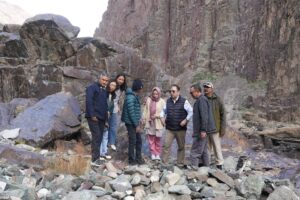
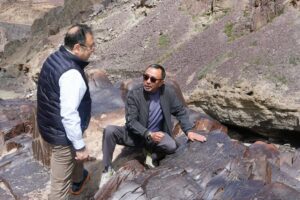
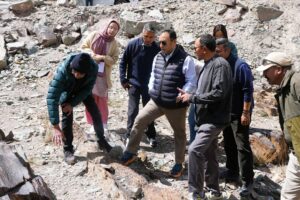
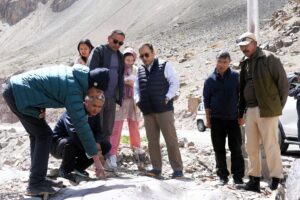
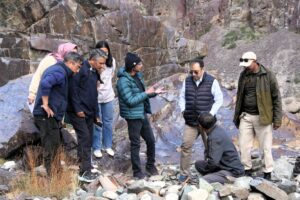
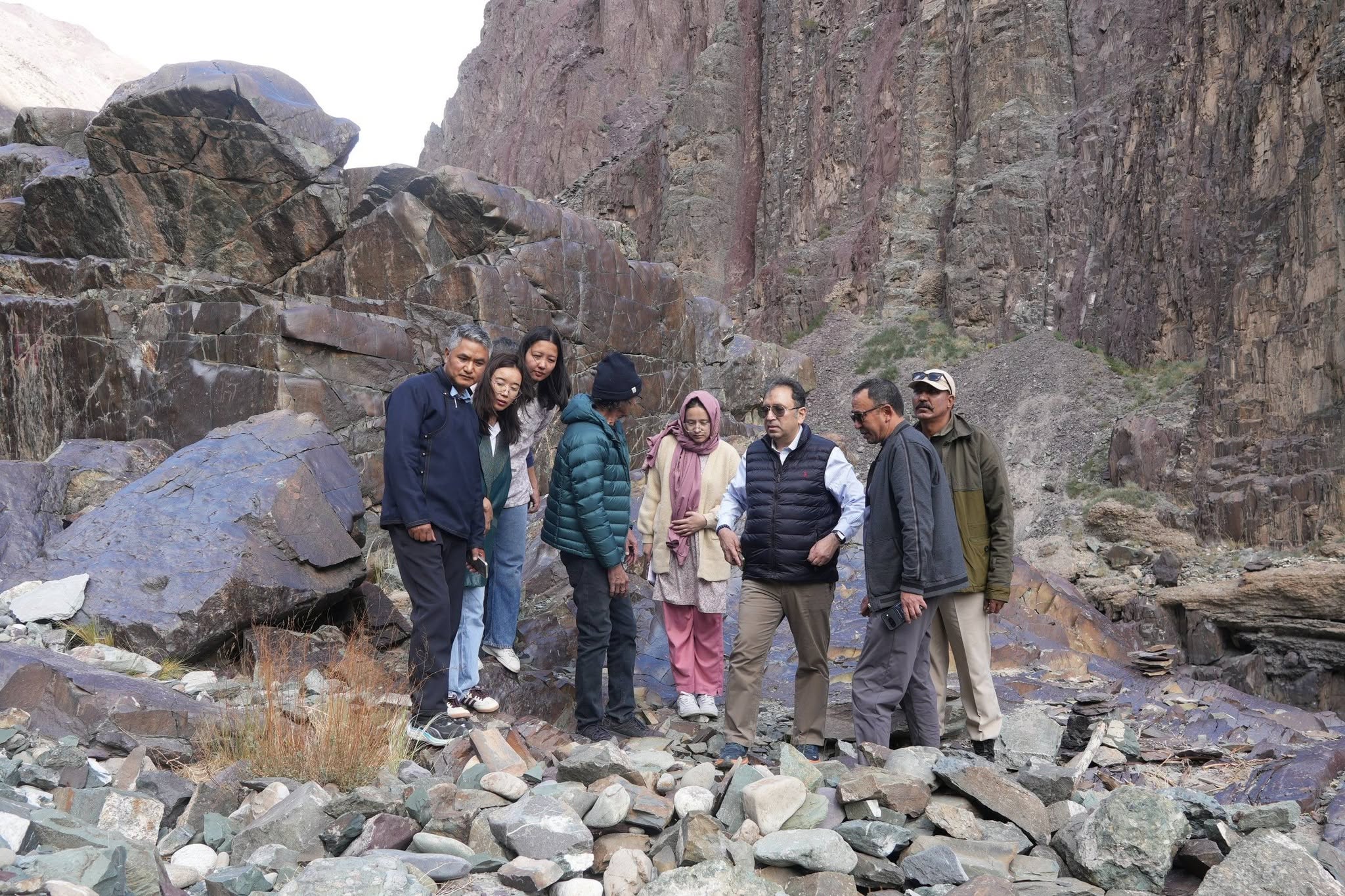
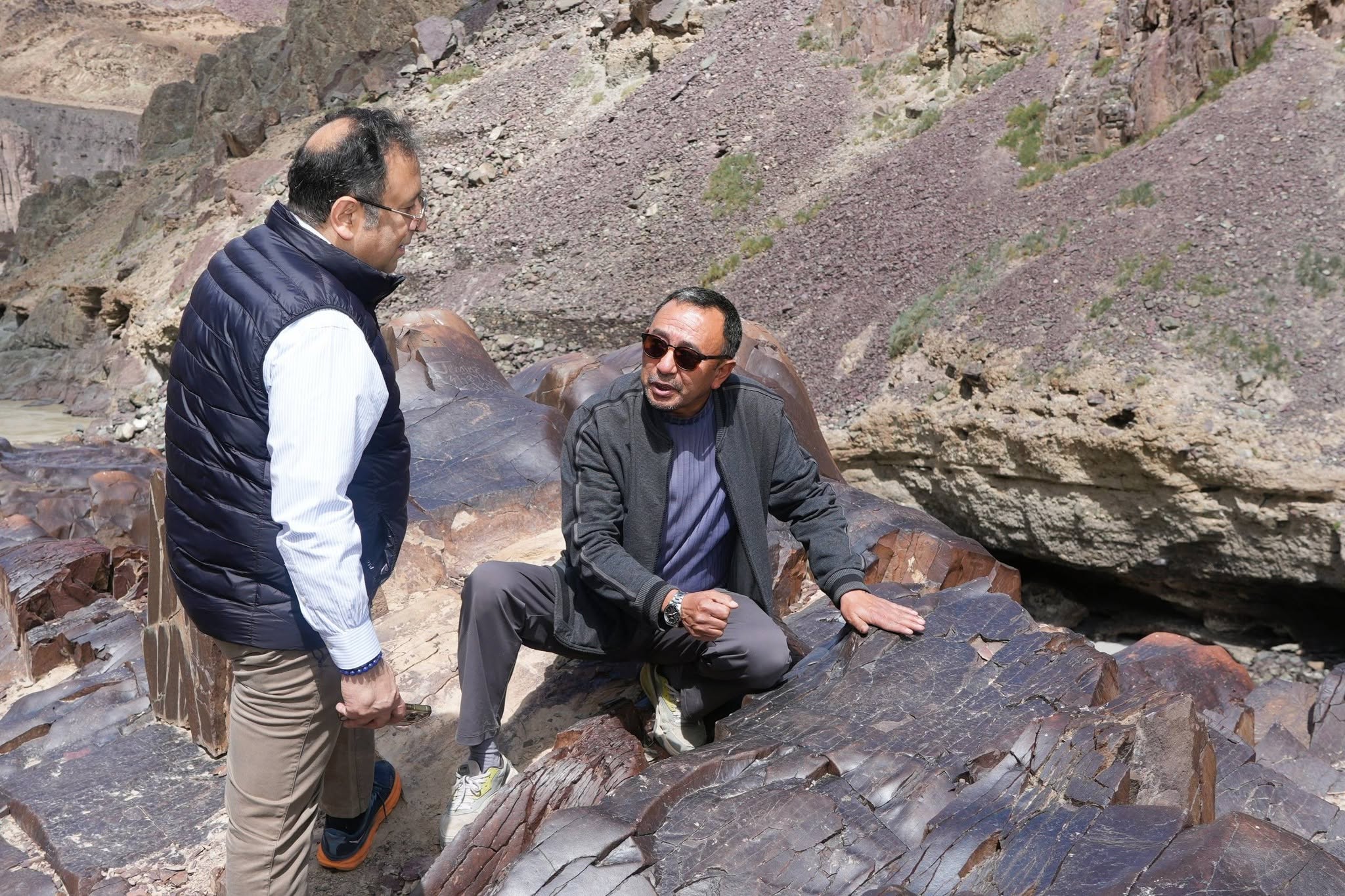
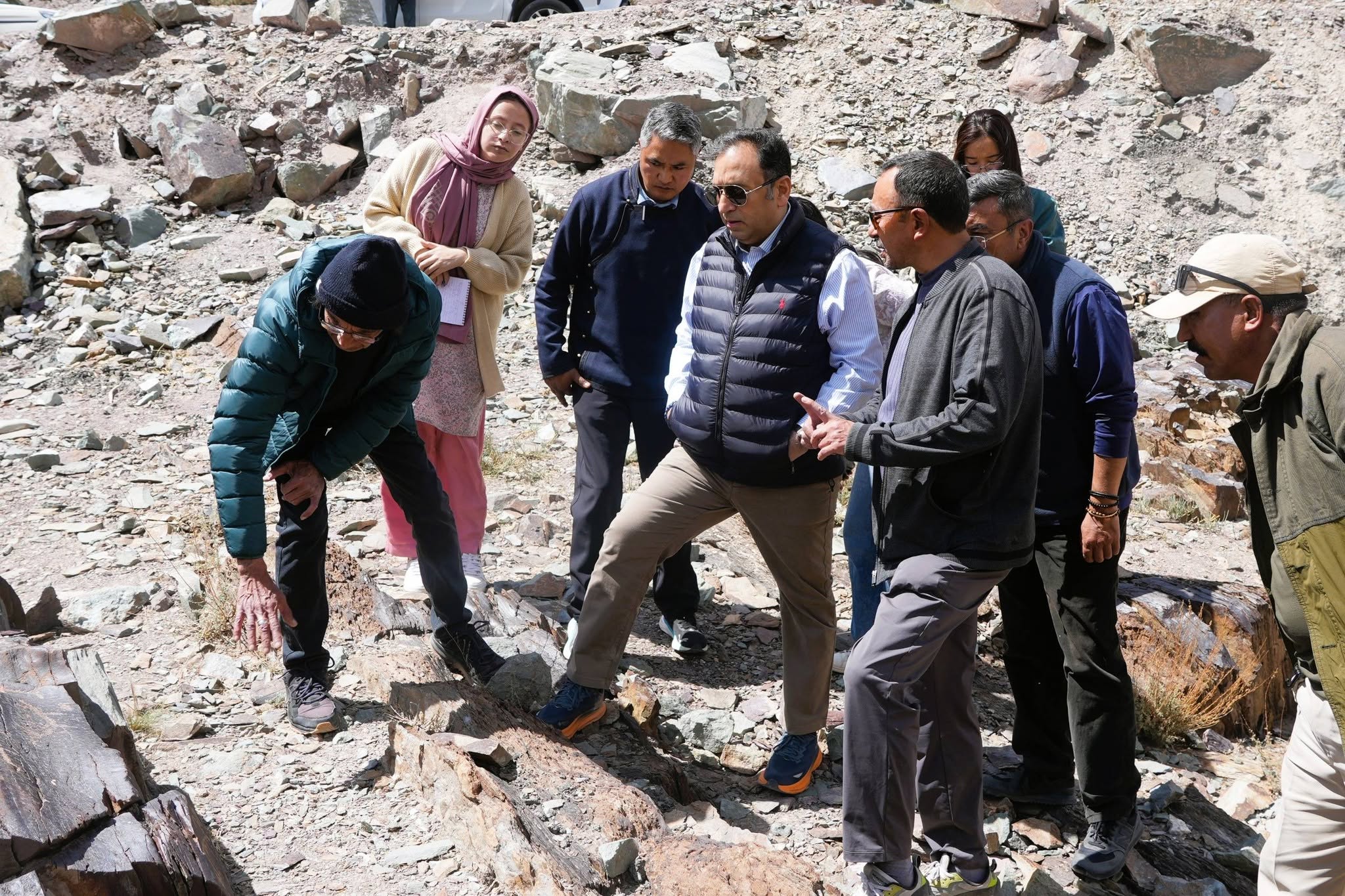
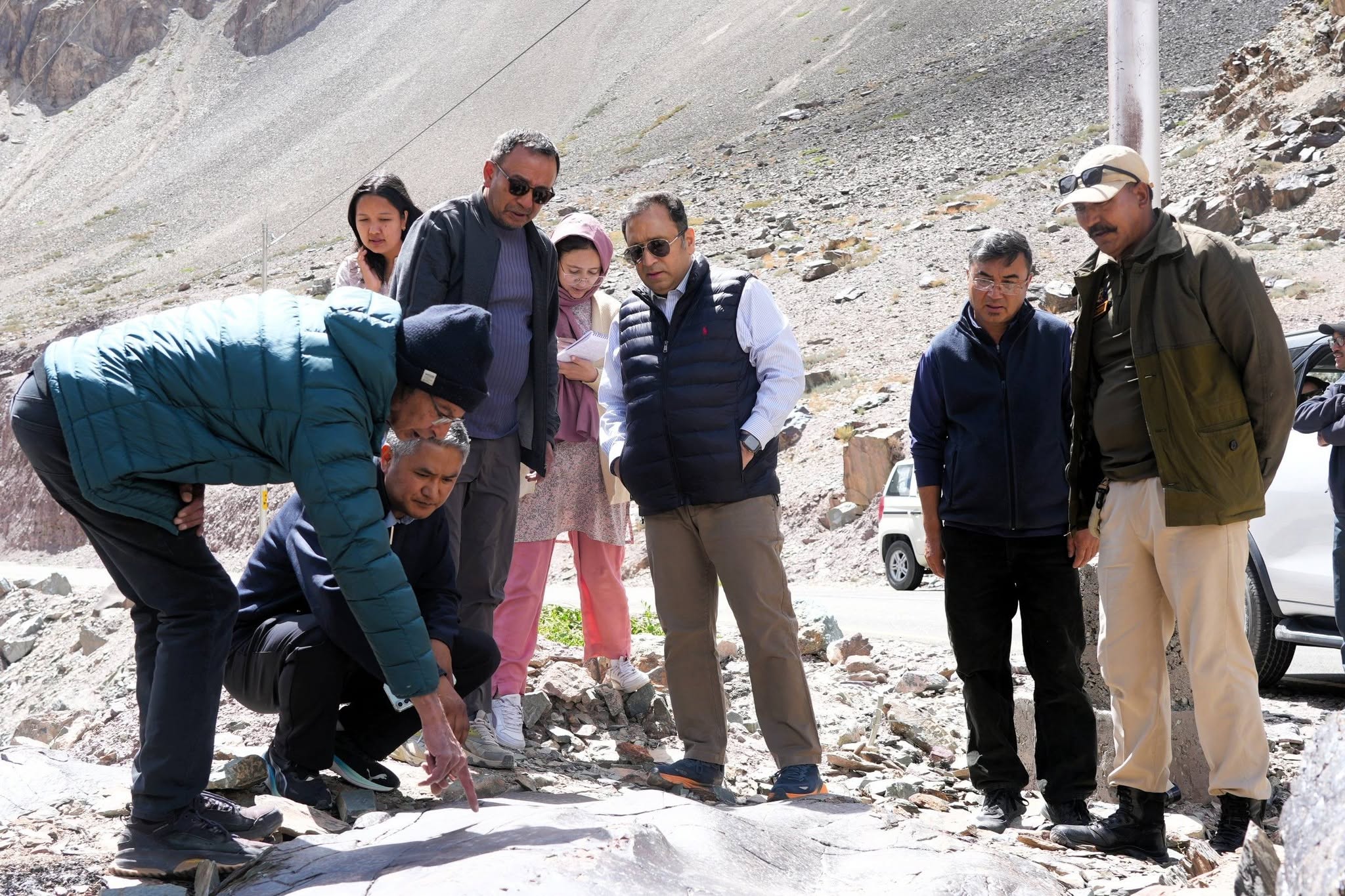
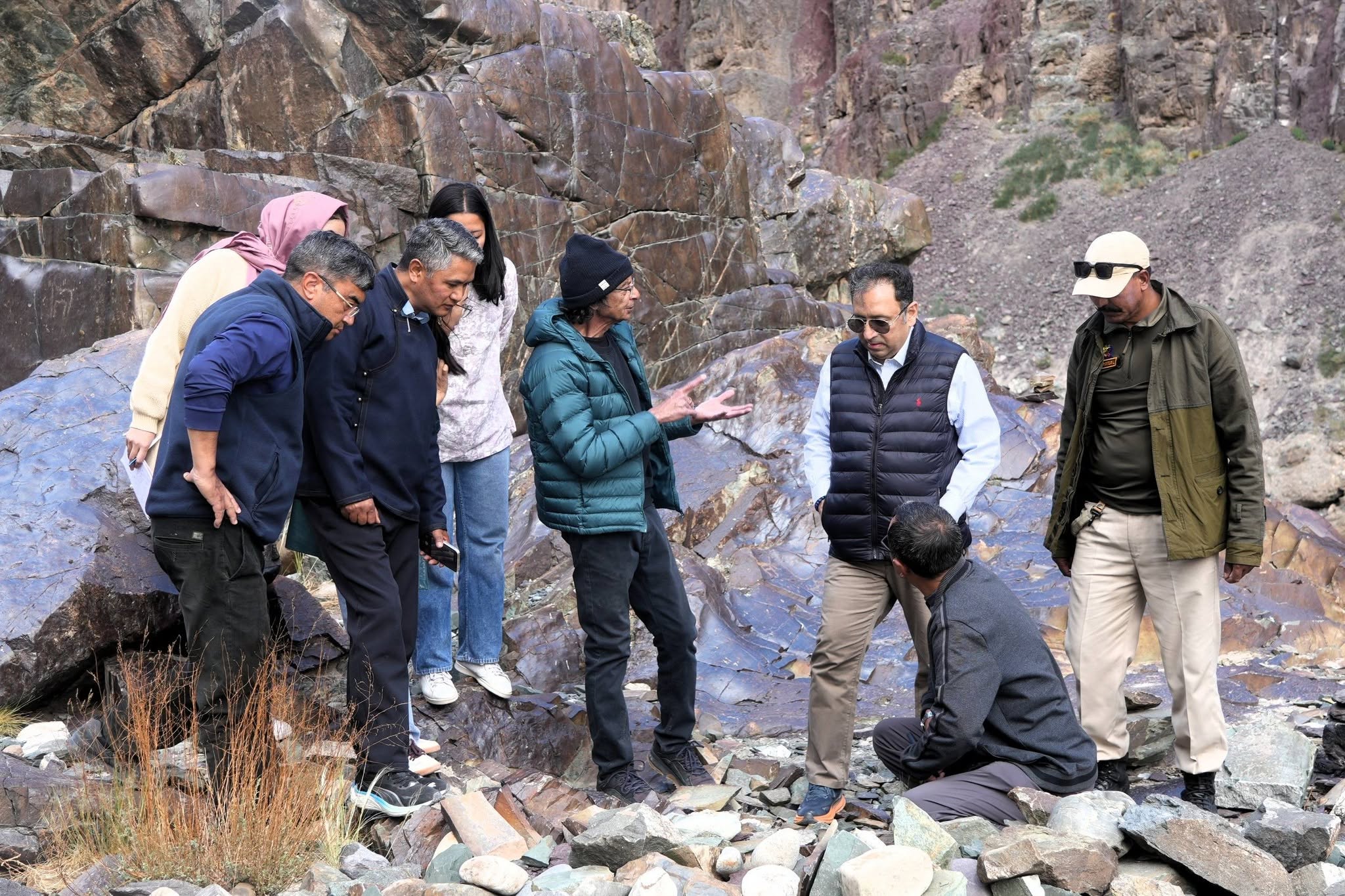
Later, Kundra visited the Waru and Tsogsti Petroglyph Site and was briefed by archaeologist and researcher Tashi Ldawa and heritage anthropologist Viraf Mehta on the historical significance of the ancient rock art. The site features a remarkable collection of petroglyphs depicting hunting scenes, human and animal figures, blue sheep motifs, snow leopards, horses, Tibetan inscriptions and other archaeological markings that provide valuable insights into Ladakh’s ancient cultural and social history.
Appreciating the efforts of local communities, researchers and heritage custodians, the Chief Secretary emphasized the need to preserve Ladakh’s unique cultural heritage, traditional knowledge systems and archaeological treasures for future generations.
He stressed that heritage conservation and development must go hand in hand and reaffirmed the administration’s commitment to promoting inclusive growth while safeguarding the region’s rich civilizational legacy.
The visit reflected the administration’s continued focus on balancing development aspirations with the preservation of Ladakh’s distinctive cultural and historical identity.
