DRASS, June 4: In a major step towards environmental conservation and scientific research in Ladakh, Government Degree College (GDC) Drass on Thursday unveiled the Conceptual Master Plan for the High Altitude Biodiversity Conservation and Research Park, a first-of-its-kind initiative aimed at preserving the unique biodiversity of the Trans-Himalayan cold desert ecosystem.
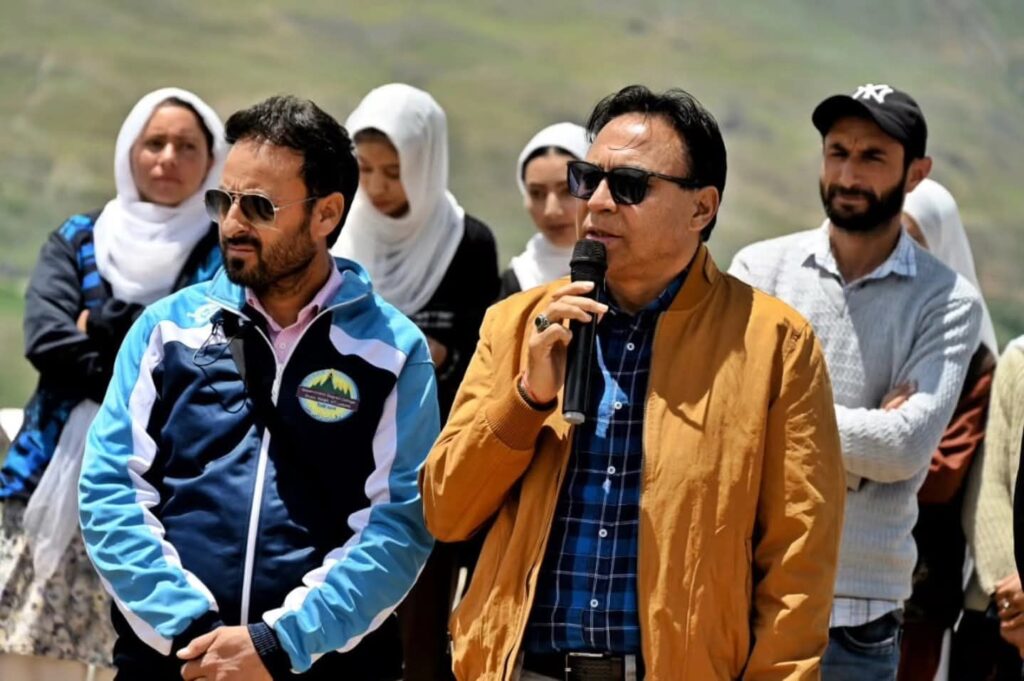
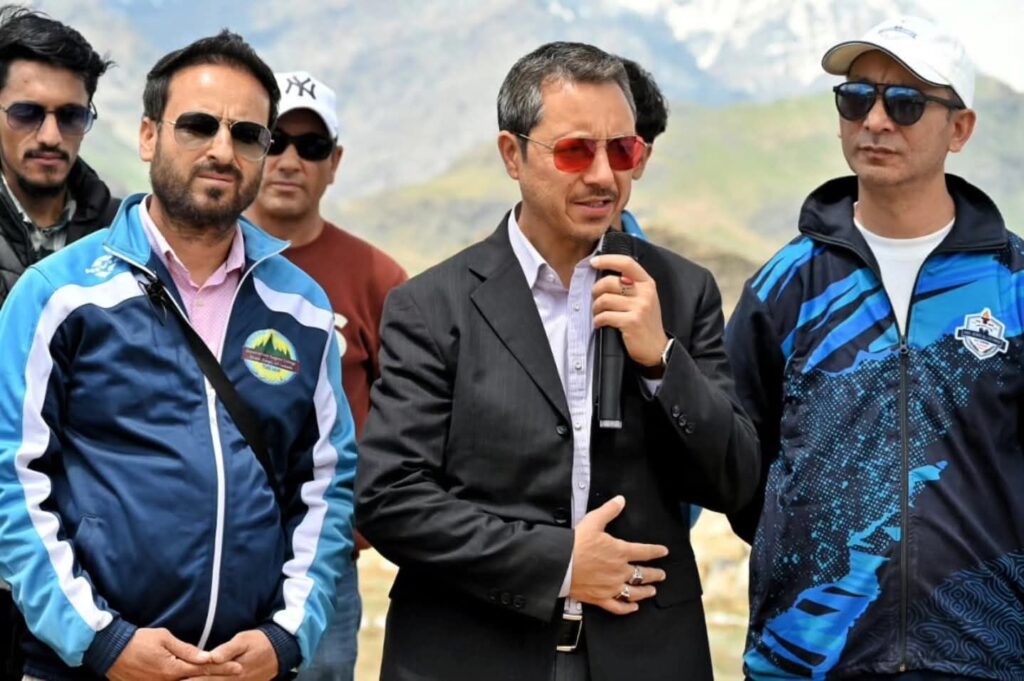
The Conceptual Master Plan was formally unveiled by Haji Mohamad Hanifa Jan in the presence of Deputy Commissioner Drass Imteeaz Kacho, Councillor Bhimbhat Abdul Wahid, SDM Drass Vishal Atri, Commanding Officer of 16 Grenadiers Vikas Dixit and representatives from various government departments, religious institutions and civil society organisations.
Speaking on the occasion, officials described the proposed park as a “living laboratory” dedicated to conservation, research, education and citizen science. The initiative seeks to strengthen biodiversity conservation, ecological research, environmental education, documentation of indigenous ecological knowledge and sustainable management of natural resources in the region.
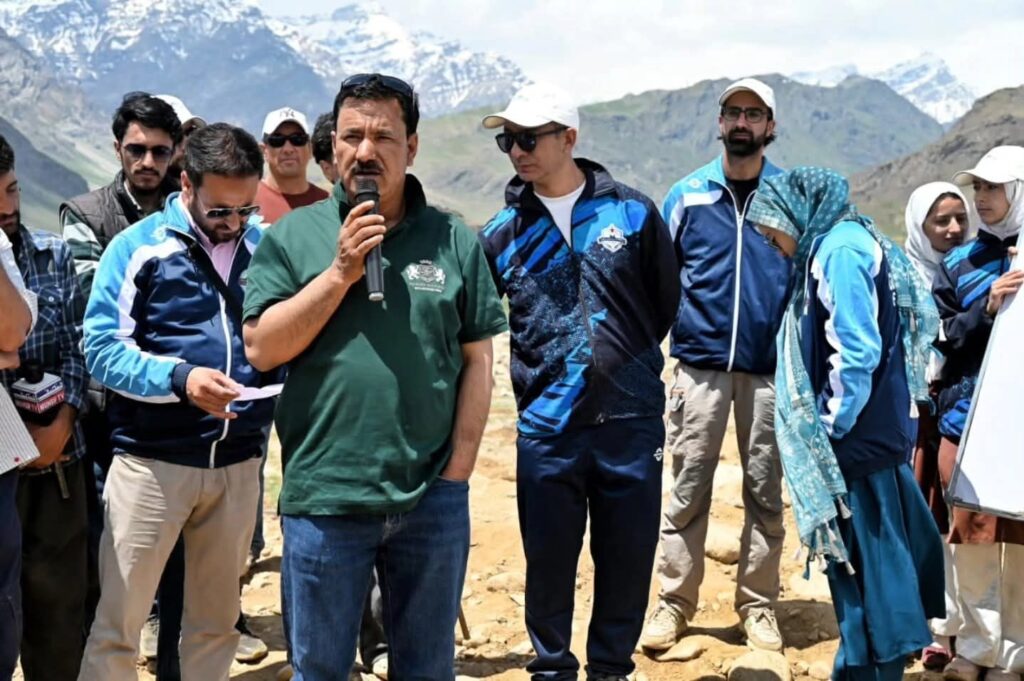
Dr. Javed Naqi, Coordinator of the Biodiversity and Research Park project, briefed the gathering on the vision and long-term significance of the initiative, highlighting its potential to emerge as a major centre for environmental learning and scientific research in Ladakh.
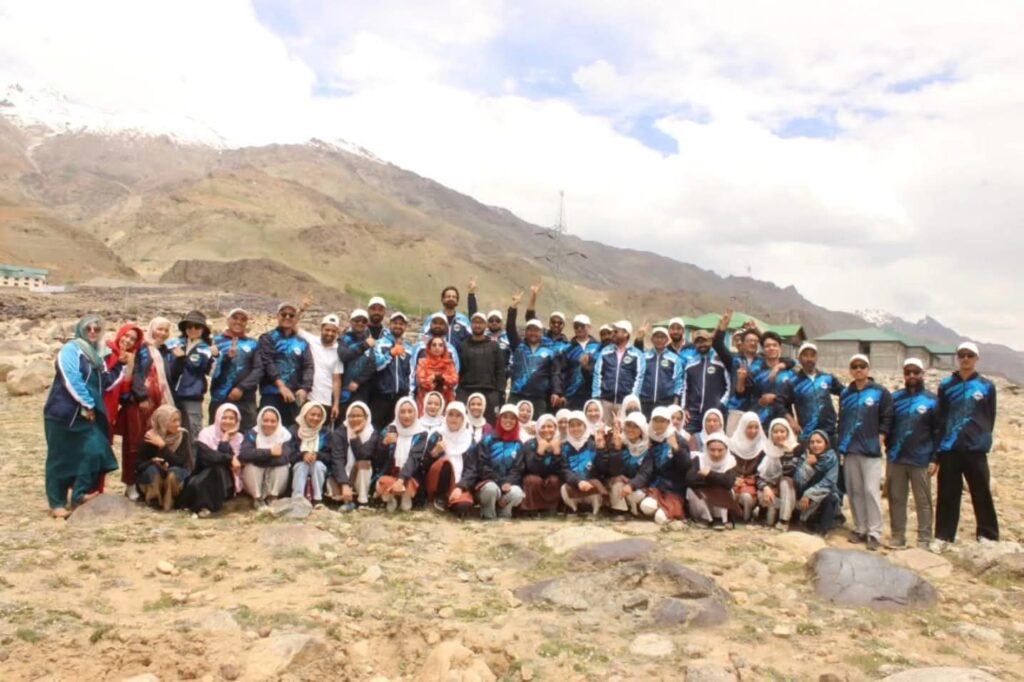
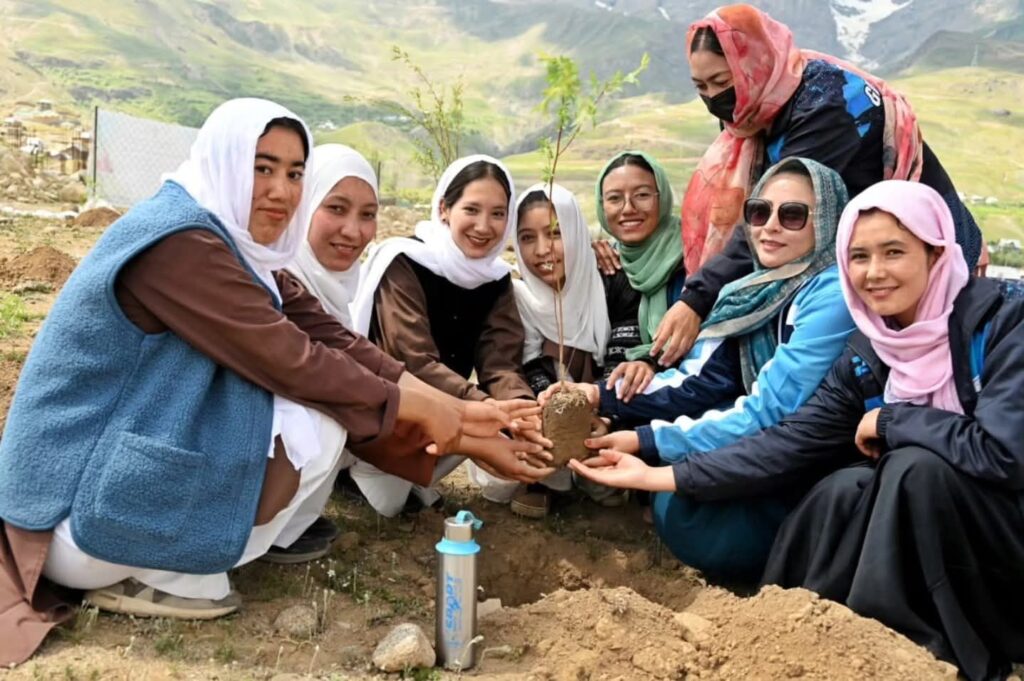
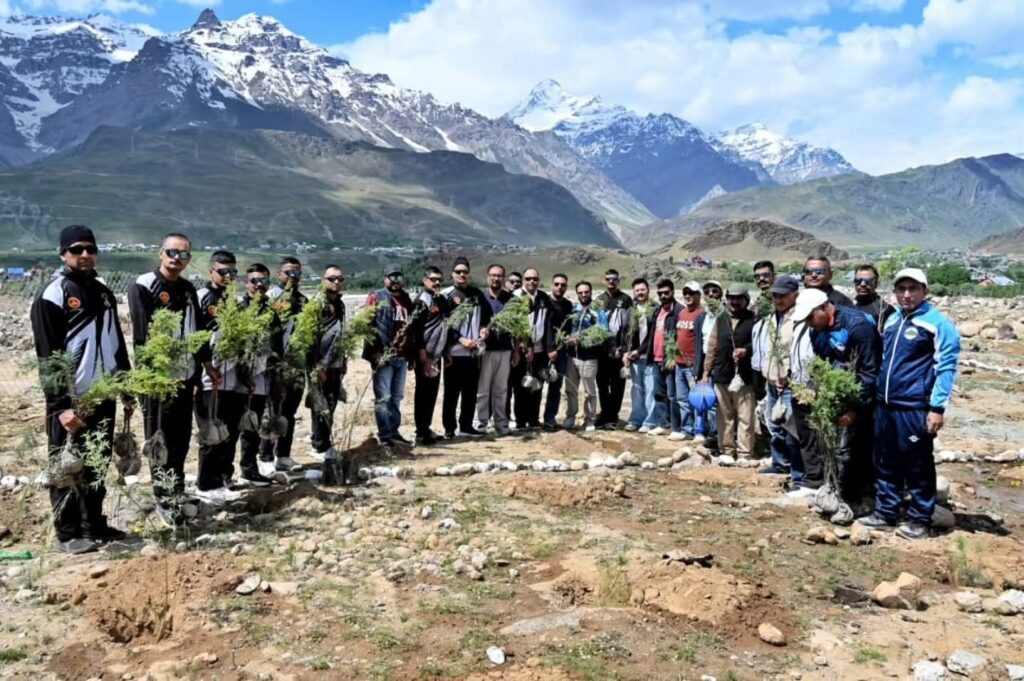
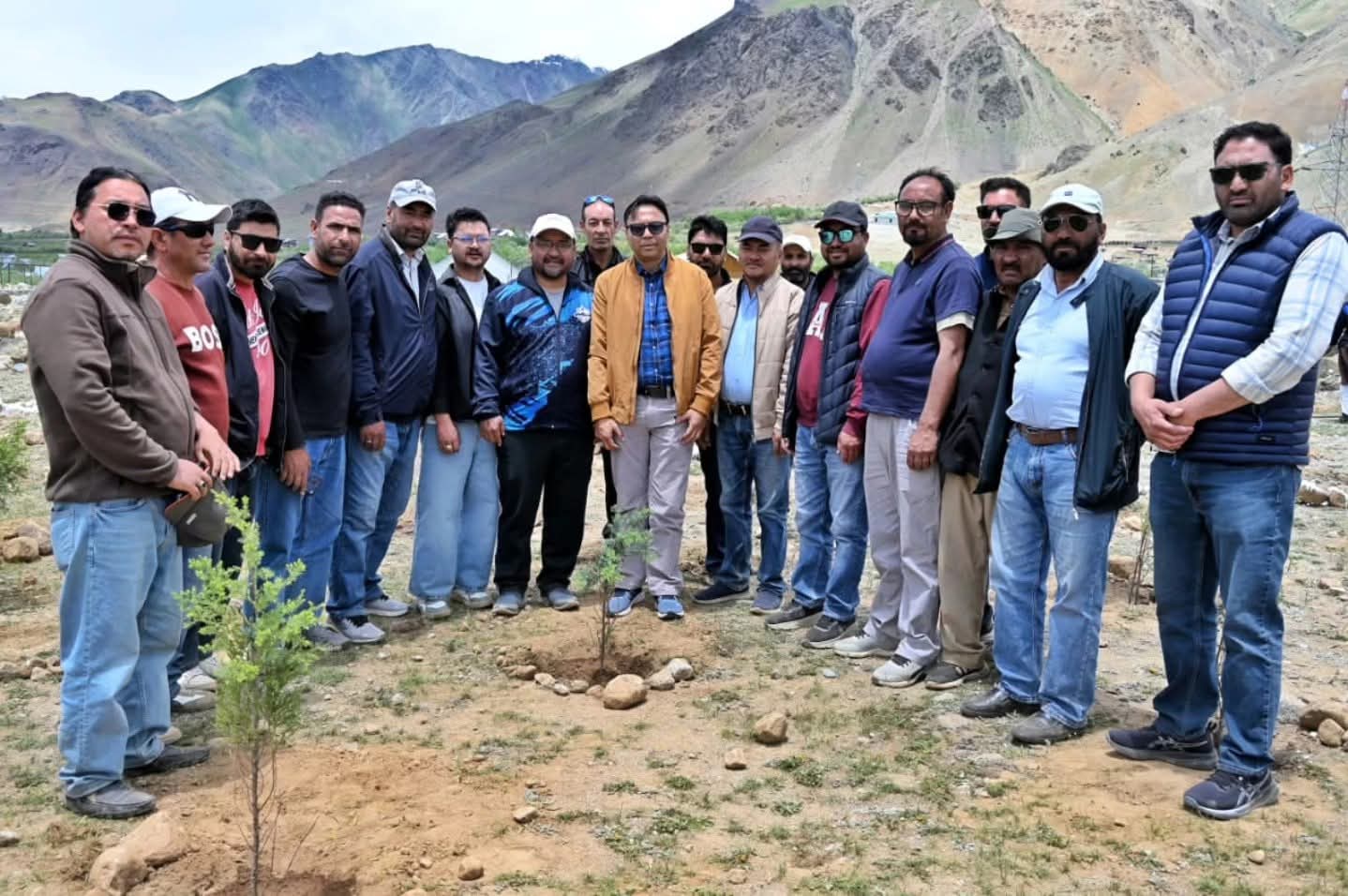
Following the unveiling ceremony, dignitaries, students, faculty members, local residents and personnel from the 16 Grenadiers participated in a large-scale plantation drive at the proposed park site. Nearly 1,000 saplings of native and ecologically important species were planted as part of the initiative, demonstrating a collective commitment towards environmental sustainability and ecological restoration.
According to the master plan, the park will feature a Biodiversity Interpretation Centre, Biological Museum, Native Alpine and Cold Desert Plant Arboretum, High Altitude Medicinal Plant Garden, Biodiversity Research Station, Wildlife Trail, Indigenous Knowledge Gallery, Weather and Climate Monitoring Station, Zoological Museum, Citizen Science Monitoring Centres, Water Harvesting Pond and dedicated research and learning spaces.
The dignitaries lauded the college for conceptualising an innovative project that integrates conservation, education and community participation. They stressed the importance of protecting Ladakh’s fragile mountain ecosystems while encouraging scientific inquiry and environmental stewardship among students and local communities.
Officials noted that the project aligns with key United Nations Sustainable Development Goals, particularly those related to quality education, climate action, biodiversity conservation and collaborative partnerships.
The initiative is being developed in collaboration with the District Administration Drass, the Department of Forest, Ecology and Environment, Ladakh, the Department of Wildlife Protection and other partner institutions.
Reaffirming the institution’s commitment to sustainable development, the college administration said the project will serve as a centre for environmental awareness, research and community engagement in one of the world’s most ecologically sensitive mountain regions.
The programme concluded with a vote of thanks delivered by Assistant Professor EVS Sajad Hussain, who expressed gratitude to all stakeholders, community members, partner organisations and supporters for contributing to the realization of the landmark initiative.