

Kargil, Feb 7:
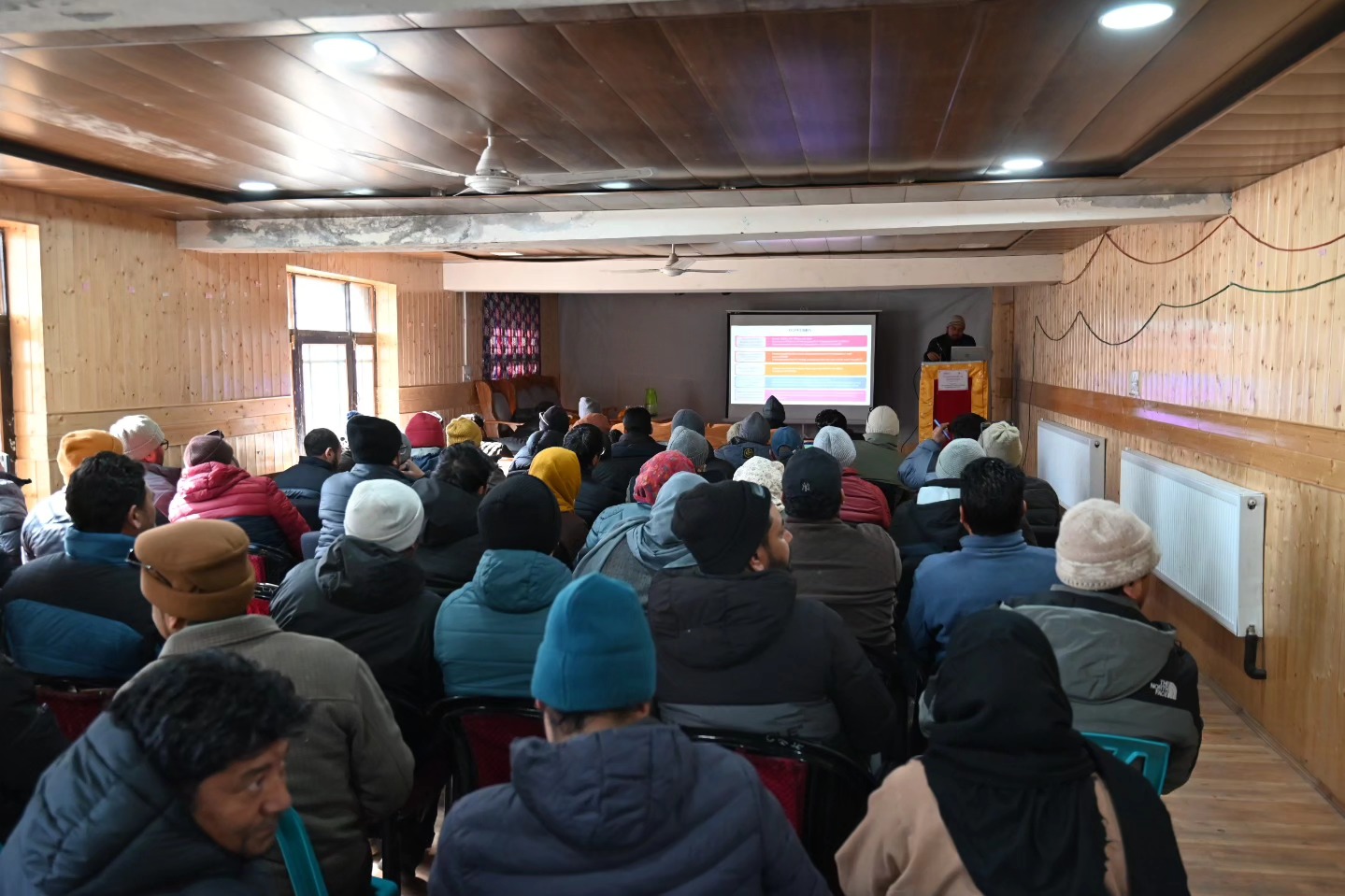
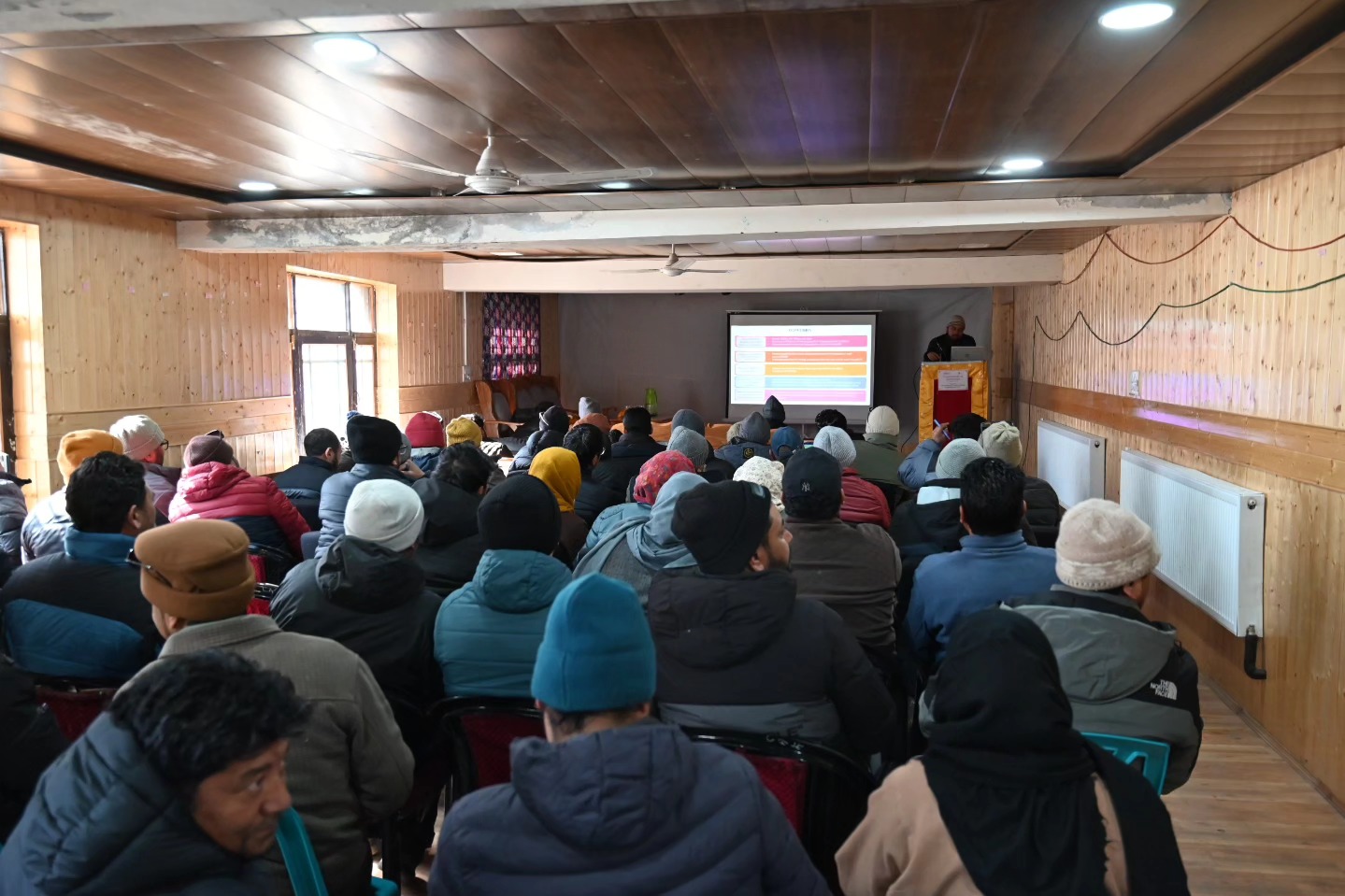
The Ladakh Academy of Art, Culture and Languages (LAACL), Kargil, in collaboration with the Tourism Department, Kargil, organised a one-day training programme on the e-Office System to promote digital governance and improve administrative efficiency.
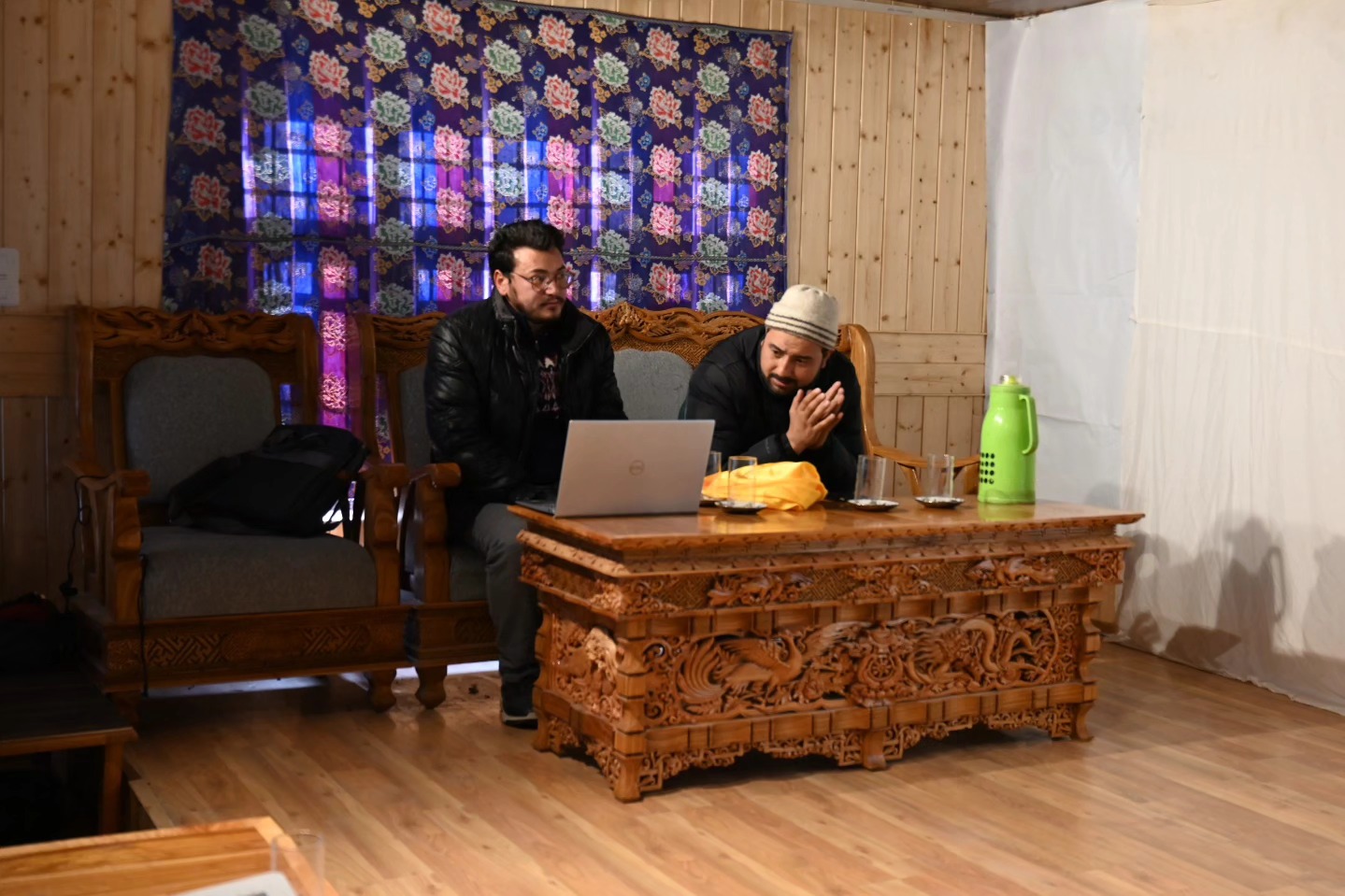
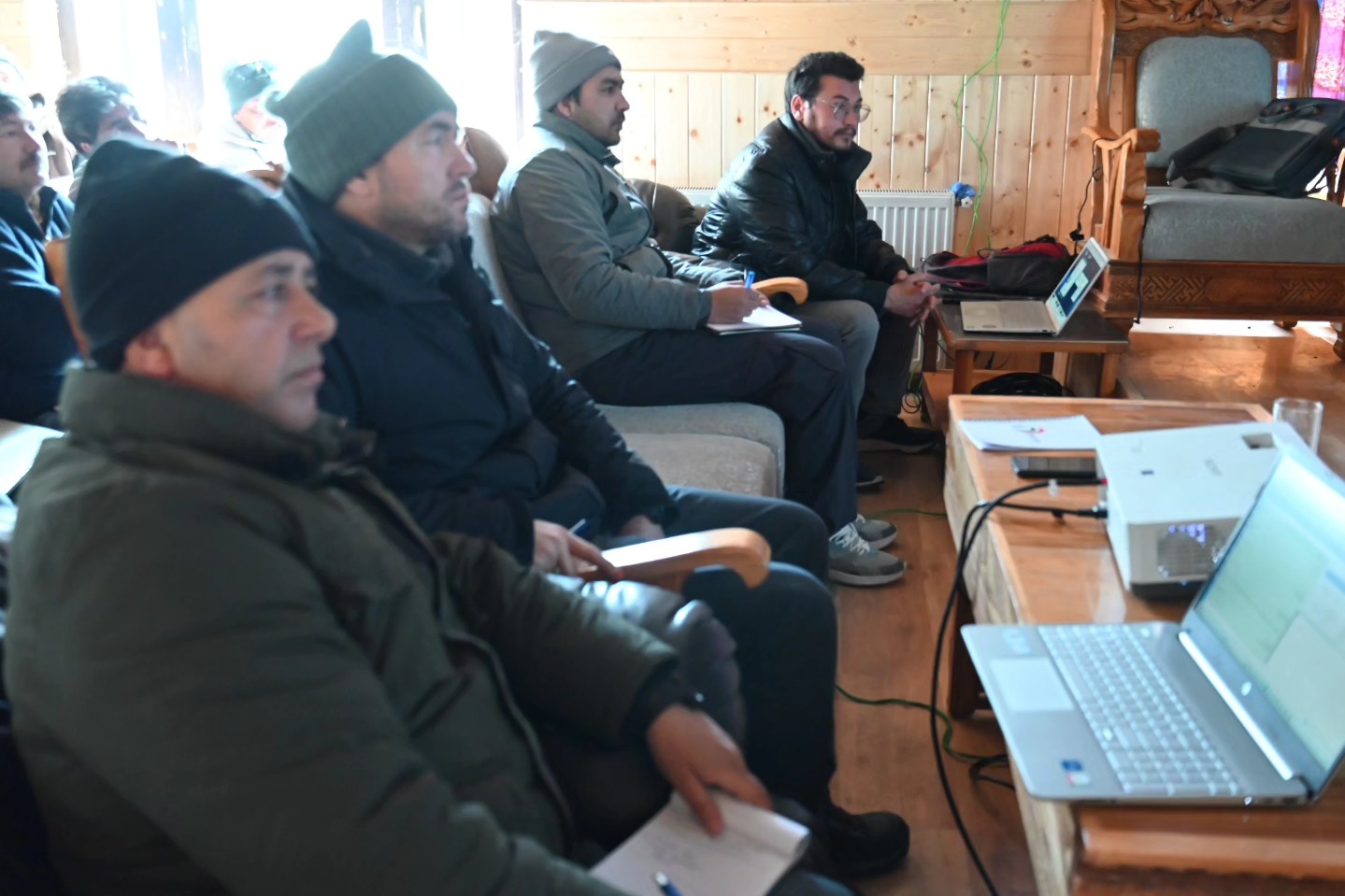
The training, held at the Academy Hall, aimed at familiarising employees with modern digital office tools and workflows. Trainers from the Information Technology Department, UT Ladakh, including Project Manager Ishtiyaq Hussain and Network Support Engineer Zakir Hussain, briefed participants on key components of the e-Office System such as e-File management, e-Receipt handling, Knowledge Management System (KMS), role-based access, workflow management, digital signatures, document scanning and indexing, and dashboard monitoring.
The programme featured hands-on training sessions enabling participants to gain practical experience in real-time e-Office operations. An interactive question-and-answer session was also conducted to address participants’ queries and clarify operational challenges.
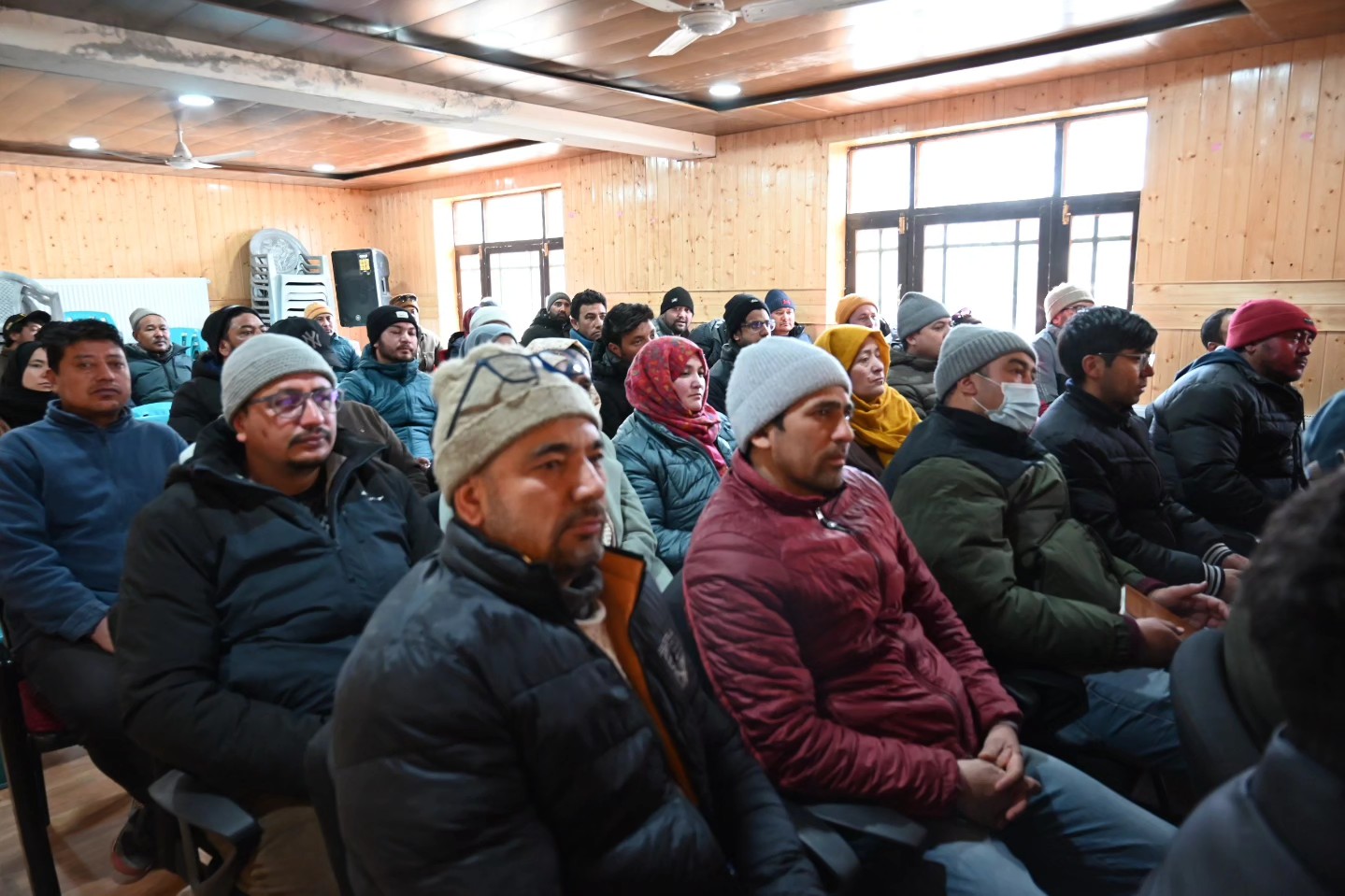
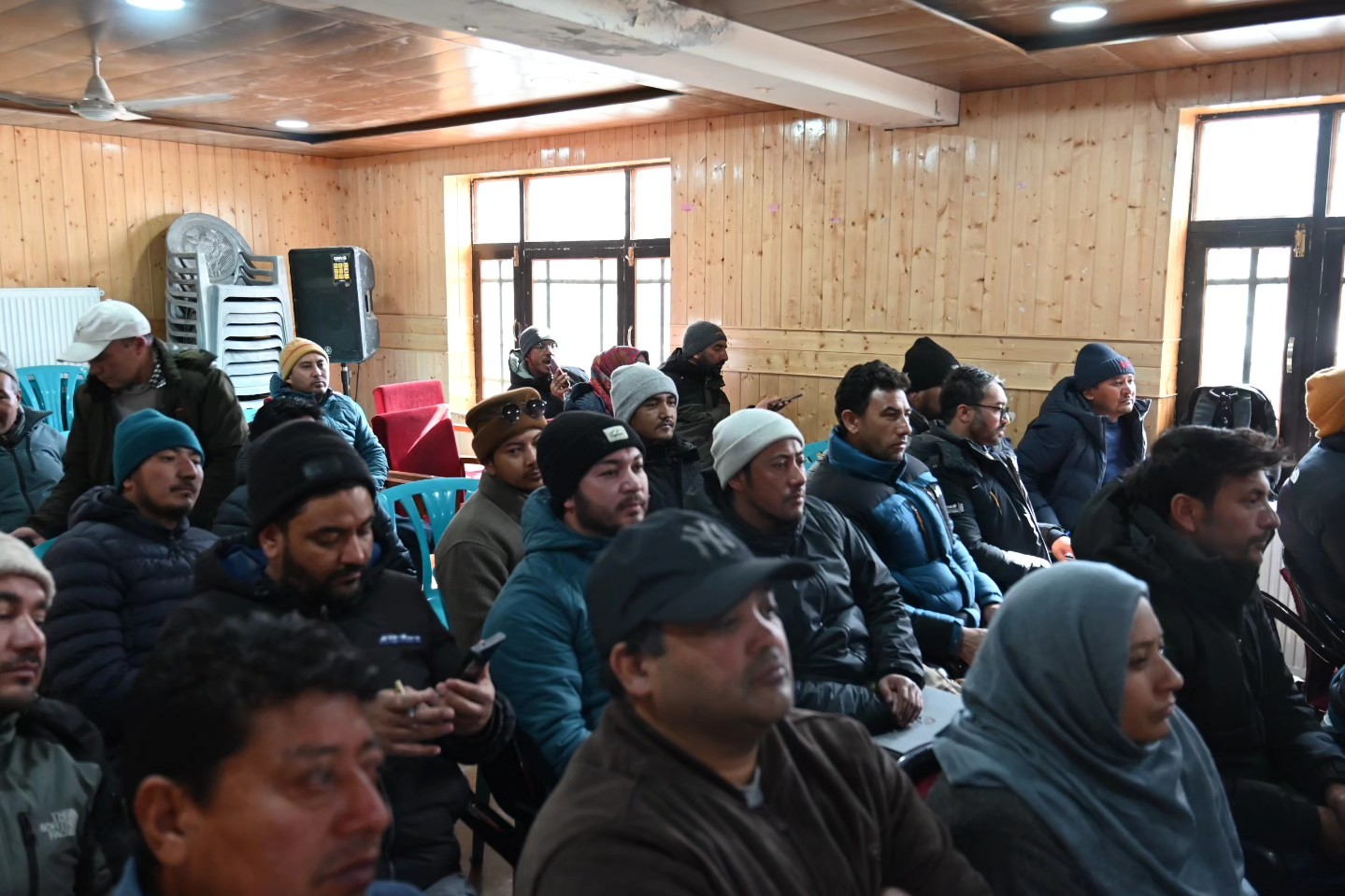
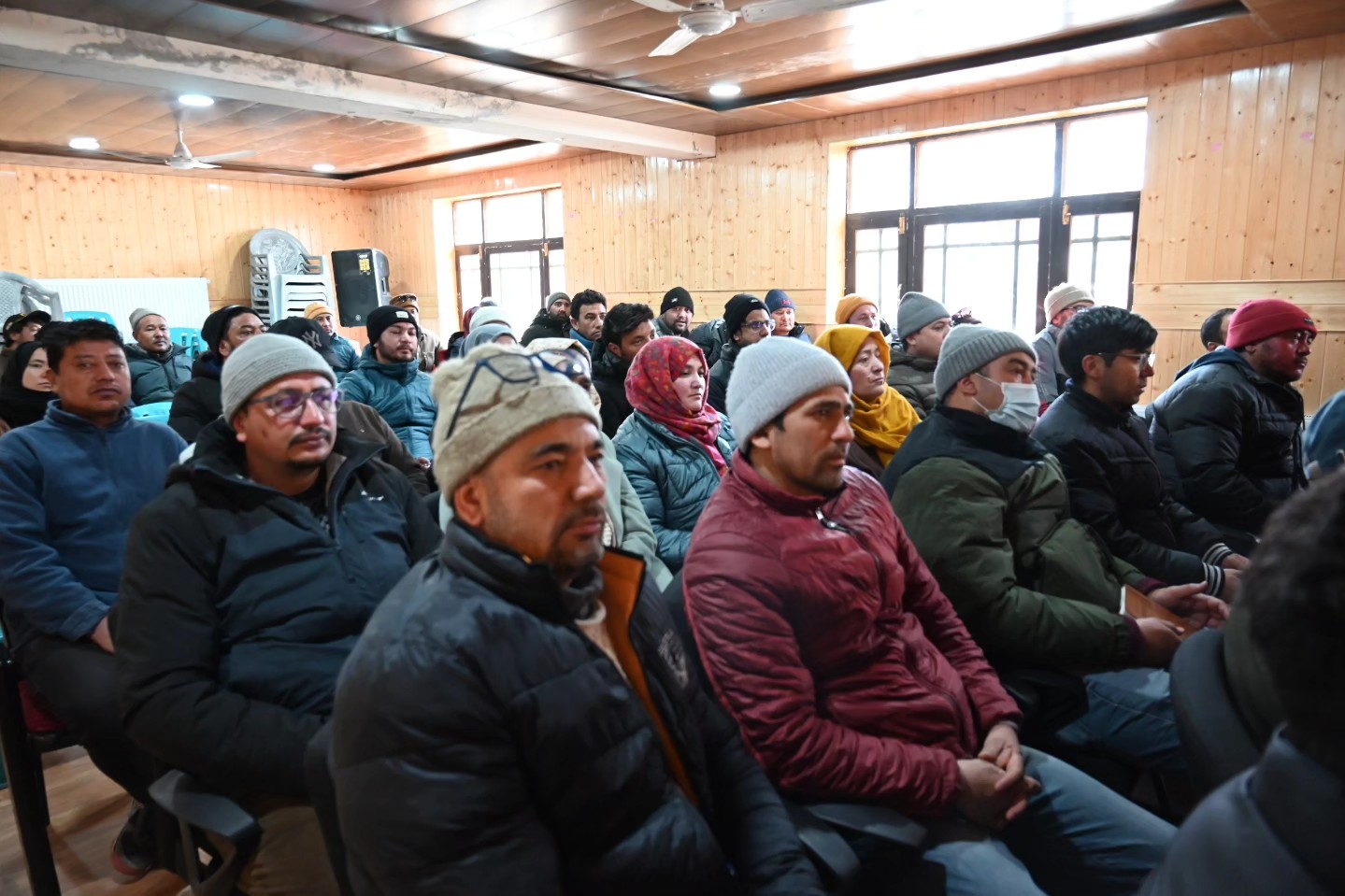
Over 100 employees, including Special Officer for Cultural Activities/Assistant Director Tourism Kargil, Muhammad Ali Tak, master trainers nominated by the District Administration, and staff from various departments, attended the programme.
In his welcome address, Muhammad Ali Tak said the training provides employees an opportunity to understand the practical implementation of the e-Office system, which will ensure faster communication, better coordination and improved public service delivery. He expressed gratitude to Administrative Secretary, IT Department, UT Ladakh, Shashanka Ala, IAS, for deputing trainers and to Deputy Commissioner/CEO, LAHDC Kargil, Rakesh Kumar, IAS, for guiding the initiative.
Highlighting the limitations of conventional paperwork, officials noted that digital systems help overcome logistical challenges in remote and difficult terrains by enabling quick document sharing and collaborative functioning.
The organisers expressed hope that the training would enhance transparency, simplify official procedures and significantly improve overall work efficiency in government offices.
