

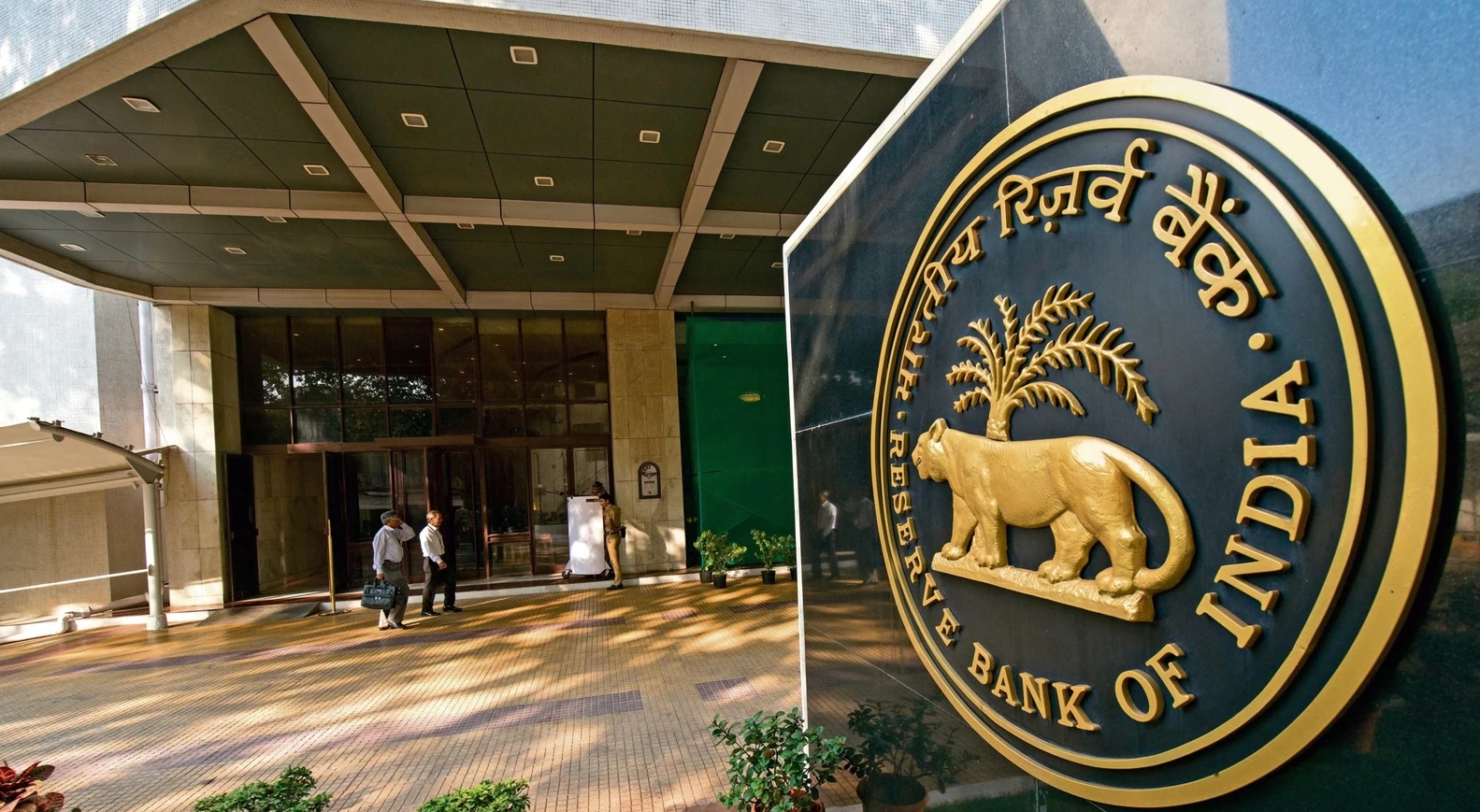
The Monetary Policy of the Reserve Bank of India raising key policy interest rates by 0.5 per cent to 4.9, the second in five weeks, indicates further tightening of the economy and also raises the question how it overlooked the inflation control for the last over two years. It woke up at a critical juncture when the Monetary Policy Committee (MPC) itself hints at stagflationary trends – growth stagnation and continued price rises – and the World Bank almost confirms it citing investors, bankers, and entrepreneurs discussing chances of recession.
Was the RBI overlooking a ticking bomb or was it too accommodative under Covid-19 and other pressures? It has been speaking about inflationary trends since 2020, but was apparently being industry-friendly in keeping the rates low, ignoring the concern for safeguarding the interest of the depositors and severe profiteering. Since most central banks were following the same policy, including in the US, it escaped scrutiny.
The RBI has woken up late even as the US inflation that used to remain low around 2 per cent has shot up to 8.5 per cent and has become a problem for President Joe Biden and the world economy. Meanwhile, the IMF has been harping on it saying that since early 2022, both the headline inflation – price of all goods and core inflation – food and energy were significantly above target in most advanced economies. It leaves it to central banks to manage.The RBI also needs to stress its own 2016 finding that infra expenses on roads and bridges have negative consequences.
It may be pointed out that the MPC in July 2021 had also discussed stagflationary trends but desisted rate rise despite a dissent note on the price front and cut on taxes. Then RBI Deputy Governor Michael Patra accepting that inflation was prime concern of the RBI, added, “It is important to bring that down”.
But till May, it did not act. The RBI has similarly ignored it in 2008 right after the global financial crisis or the Lehman Brothers meltdown. Then too it appeared accommodative before it resorted to the control mechanism and raised the rates. The large lenders benefited immensely from it as they took huge credit at low rates. At this juncture the first signs of inflation were noticed in January-March quarter 2020 when inflation touched 6 per cent.
As consumer price index (CPI) touches 7.9 per cent and wholesale price index (WPI) 15.1 per cent, the highest level in three decades, it has remained complacent and even now it is pegging at around 6.7 per cent by end of 2022-23 is unreal. In July 2021, it predicted 2022 inflation to be at 5.7 per cent. The WPI went up from 10.7 per cent in April 2021. It has reached alarming proportions, but the RBI speaks only of CPI.
It is a bit surprising that despite noticing the malignant trends the RBI remained quiet till May 2022. Now it takes swift action to raise it by 0.9 per cent between May 4 and June 8. Some more quick steps are likely to increase repo rates. It still presumes that India’s crude oil basket to remain at $105 though market prices are at around $120.
It again is optimistic on growth to remain at 7.2 per cent though World Bank predicts global growth to come down to 2.9 per cent from 5.7 per cent in 2021. The RBI seems still cushy and not using the MPC power. Except in 2021, the dissent has not been there despite uncertainty over economic situation most poignantly pointed out by its Consumer Confidence Survey 2021. It revealed weakness in the bargaining powers of the working class and high prices squeezing the spending pattern.
For quite some time low-cost borrowing had been priority of the RBI despite it affecting the health of the banking sector and yielding low gains for the common man, senior citizens and women. Inflation harms the poor the most. It has to target bringing down CPI inflation to 4 per cent but now it also warrants targeting run-away WPI, a trend that needs deeper study of the changing market dynamics. High WPI accompanied by yet another high CPI means the actual inflation level is around 20 per cent.
No wonder the MPC considers stagflation now a greater possibility as does the World Bank. In the prevailing situation it should have come out with detailed reports on the market functioning in India. It has a contrast. While only high profits are being cornered by select companies, most others and small sector in particular are going into severe losses. The RBI has to suggest the corrective methods because these few companies are cornering the benefits and it has to find out whether the market is getting skewed or not.
In its latest global economic forecast, the World Bank says even something worse is possible as growth is expected to slow down to 2.9 per cent from the 5.7 per cent 2021. It is dismayed by growing income gaps, thawing of poverty alleviation measures and hurt by the war induced soaring fuel prices and disruption of international trade. In such situation, the RBI looks more optimistic in its growth forecast.
Monetary tightening has its aftermath too. It can ripple out faster and act as a drag on private consumption that is already at a low for over a year. It has to listen to World Bank President David Malpass, who says, “For many countries, recession will be hard to avoid”. The WB is firm that economic slowdown might be severe by the end of 2022 as Ukraine war hit supplies and trade networks to cause food prices to rise alarmingly. It says that if US Federal Reserve’ strategy at rate hike interest rates goes too high the economy could risk backsliding into a contraction and recession.”
It predicts “several years of above-average inflation and below average growth with potentially destabilising consequences for low and middle income economies. It’s a phenomenon — stagflation — that the world has not seen since the 1970s”.
The warning is severe and grim. The RBI must take a note of it to attune Indian economy to a low price regime and impress upon the government to desist from investing on infrastructure like roads, railways, cosmetic architecture that are adding to severe inflation, drain of the resources and adding to the woes of the poor. It has to be tough, but the flip side would be the higher rates to help the poor hedging savings and help in future growth.
