

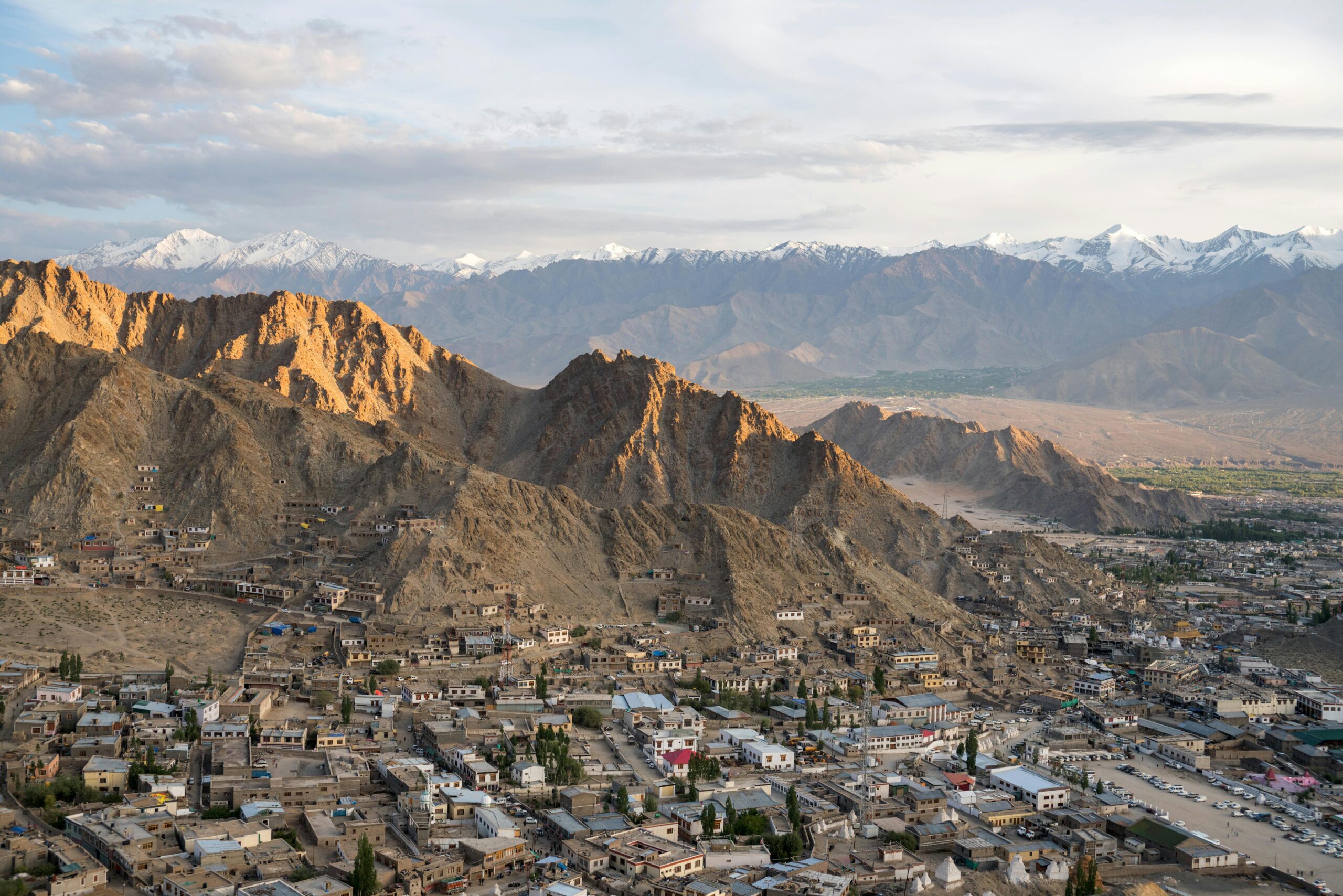
Leh: Ladakh, known for its breathtaking landscapes and bustling summer tourism, witnessed a sharp downturn in visitor numbers in 2025, raising concerns over the region’s tourism-dependent economy.
Official data presented in the Lok Sabha indicates that tourist arrivals to the Union Territory declined by nearly 50 percent compared to the previous year, marking one of the most significant slowdowns in recent times.
The impact was most severe in Kargil district, where domestic tourist footfall dropped by nearly 70 percent.
In 2024, Kargil had recorded over 3.2 lakh domestic visitors, but in 2025 the number fell drastically to just over 93,000.
Leh, the primary tourism hub, also saw a decline, with domestic arrivals dropping by around 27 percent during the same period.
Overall, Ladakh received more than 6.13 lakh domestic tourists in 2024. However, the figure fell to nearly 3.06 lakh in 2025, reflecting a substantial contraction in tourist inflow. Foreign tourist arrivals too witnessed a dip, albeit less severe, declining from over 39,000 in 2024 to around 32,000 in 2025.
The downturn has been attributed to a combination of factors, including security concerns following incidents in the region, geopolitical tensions, and the aftermath of Operation Sindoor.
Additionally, weather-related disruptions such as heavy rainfall and road blockages during peak travel months further affected accessibility to the high-altitude destination. Travel advisories issued by several countries also contributed to a decline in international visitors.
The slowdown has had a cascading impact on the local economy. Thousands of livelihoods dependent on tourism—including hotels, guest houses, transport operators, and small businesses—have been affected.
Leh alone has nearly 2,000 hotels and guest houses, many of which were established through bank loans during the post-pandemic tourism boom. With reduced occupancy and revenue, several stakeholders are now facing financial strain.
Acknowledging the situation, the government has initiated relief measures aimed at supporting the tourism sector.
As per information shared in Parliament, the Finance Department of the Union Territory of Ladakh issued a notification enabling banks to extend relief under the Reserve Bank of India’s guidelines for areas affected by natural calamities.
A committee comprising major banks, including State Bank of India, Punjab National Bank, and J&K Bank, has finalised a rehabilitation package for affected borrowers.
The relief measures include restructuring of loans, extension of repayment periods, and provision of moratoriums. Additional credit support in the form of working capital loans has also been proposed to help businesses sustain operations during the downturn.
In a parallel effort to revive and diversify tourism, the government has also rolled out initiatives to promote homestay-based tourism under the Pradhan Mantri Janjatiya Unnat Gram Abhiyan.
The scheme aims to develop 1,000 homestays across tribal regions, including Ladakh, providing both financial assistance and new livelihood opportunities to local communities.
Despite the current challenges, stakeholders remain cautiously optimistic. With improved stability, better connectivity, and sustained policy support, Ladakh is expected to regain its position as a preferred destination for both domestic and international travellers in the coming seasons.
